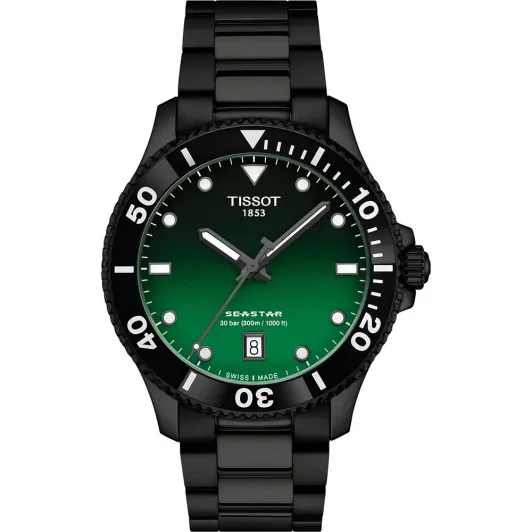
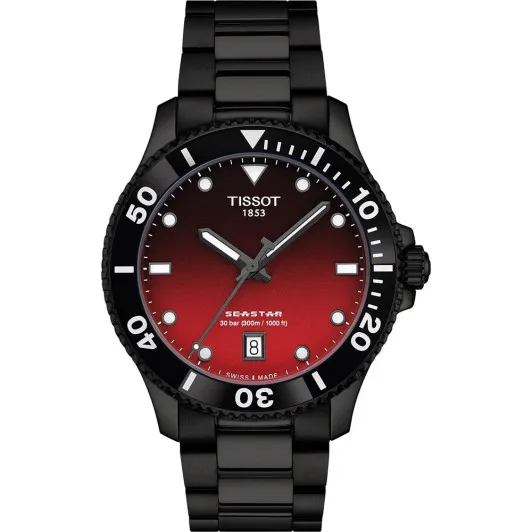
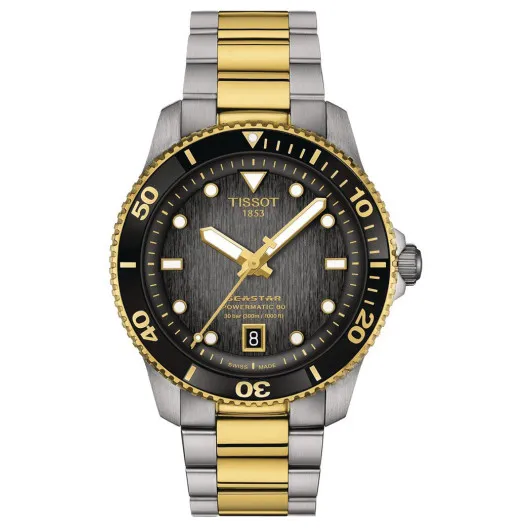
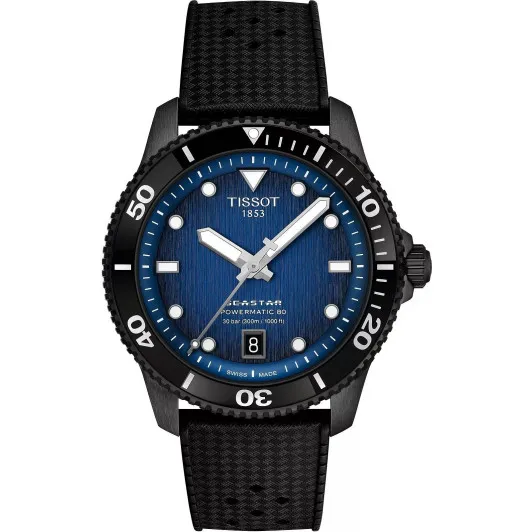
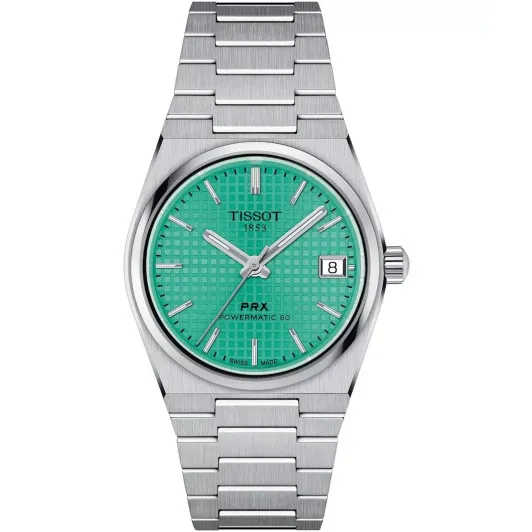
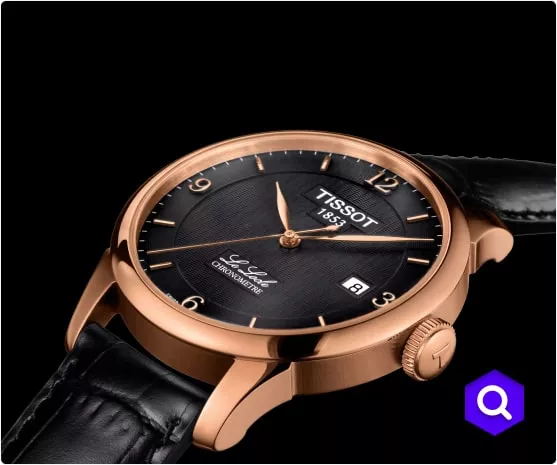
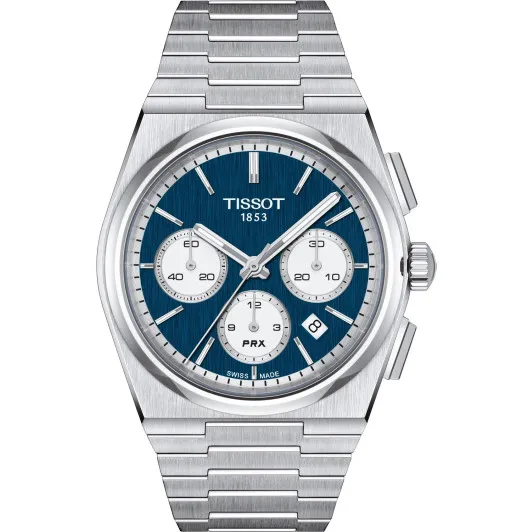
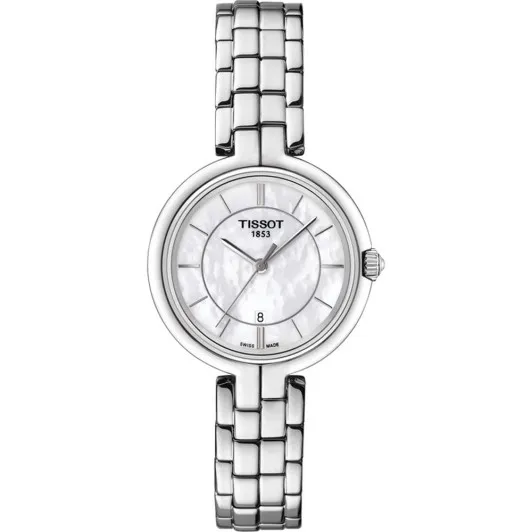
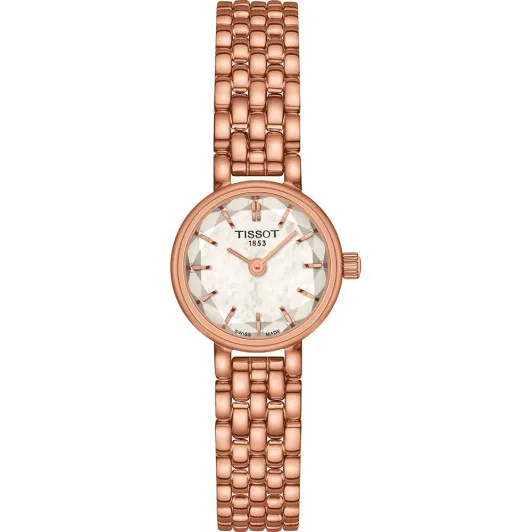
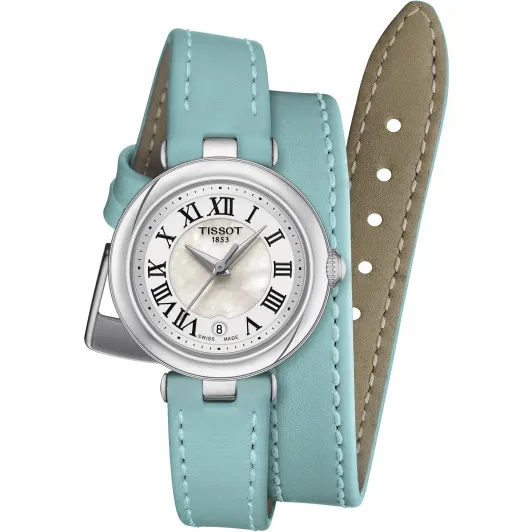
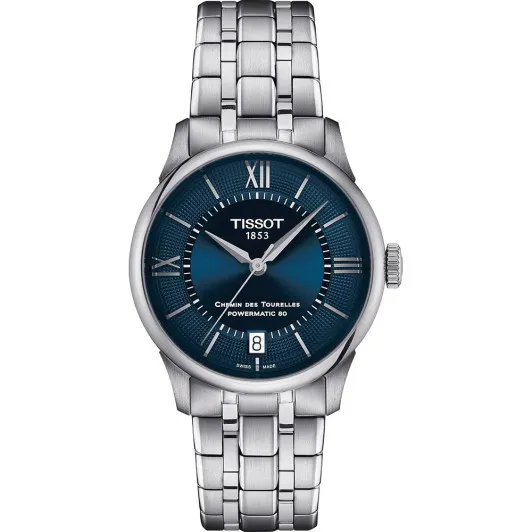
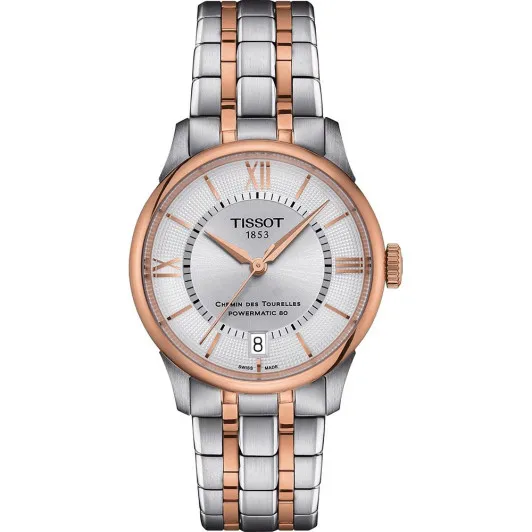
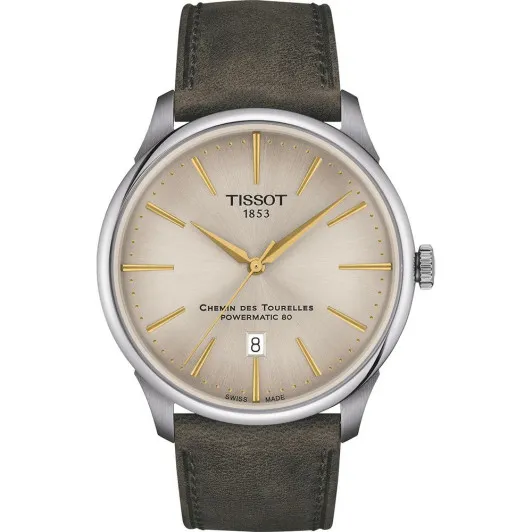
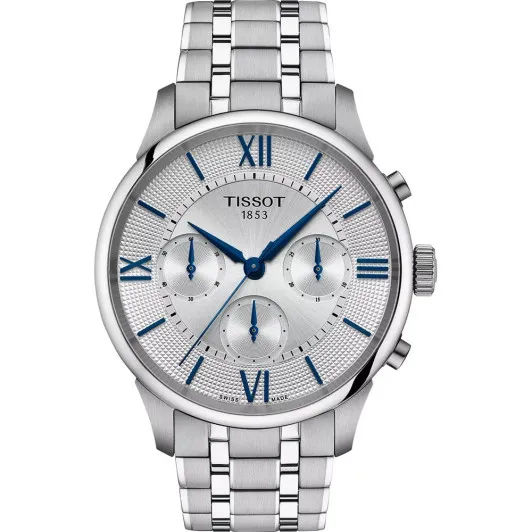
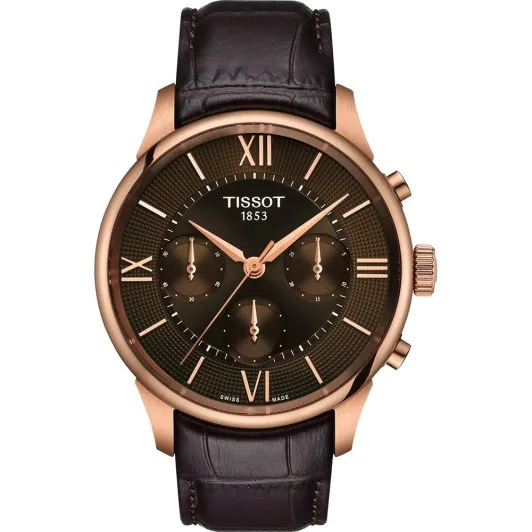
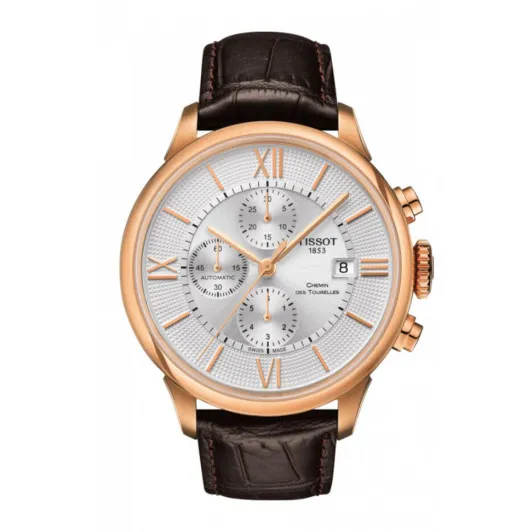
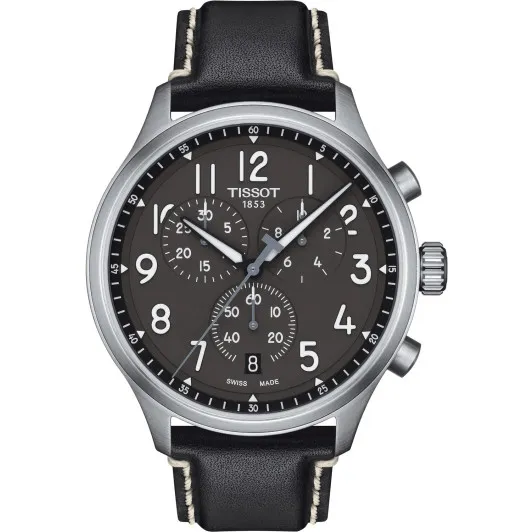
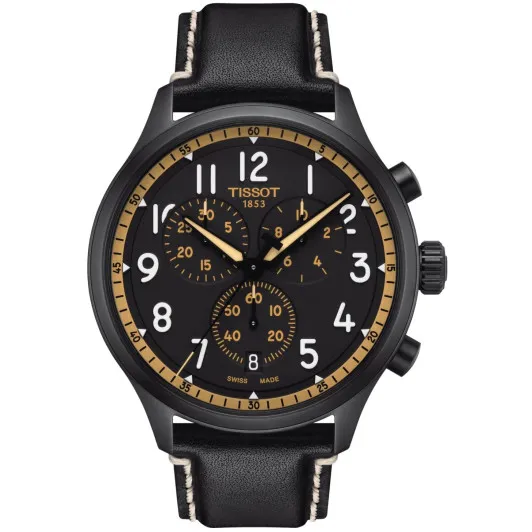
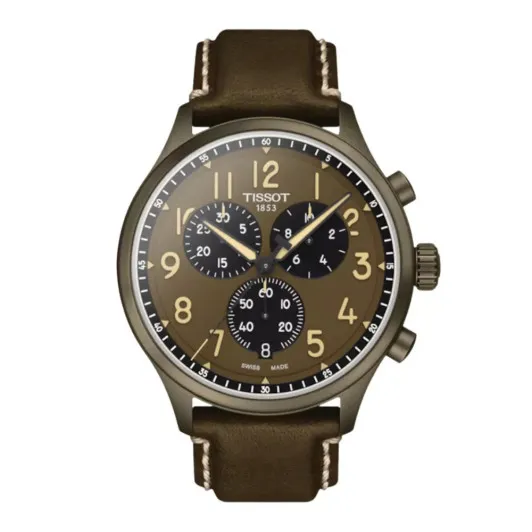
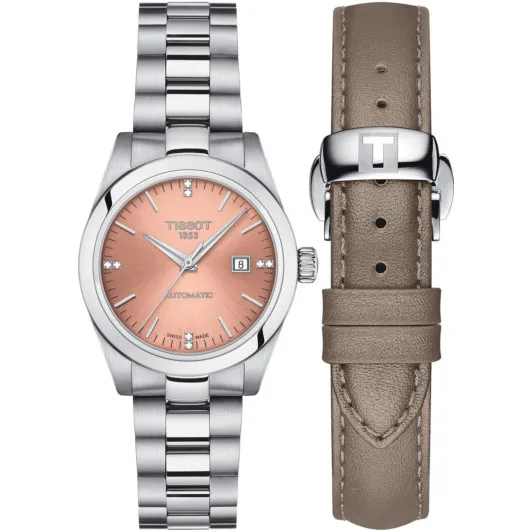
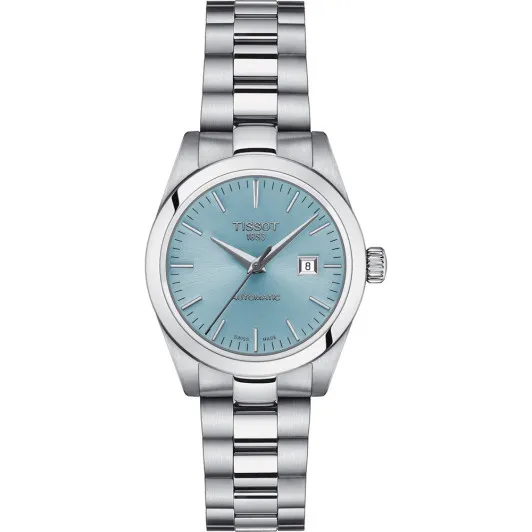
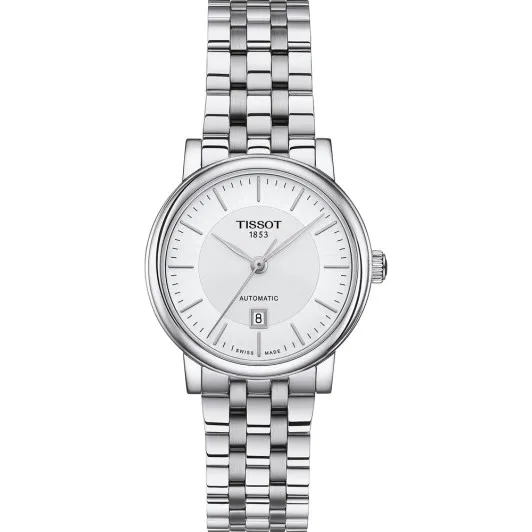
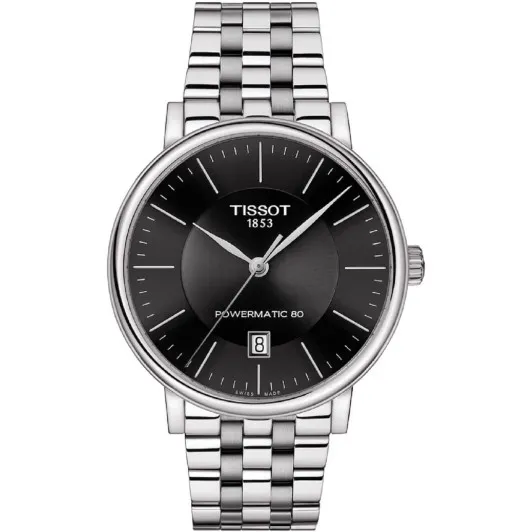
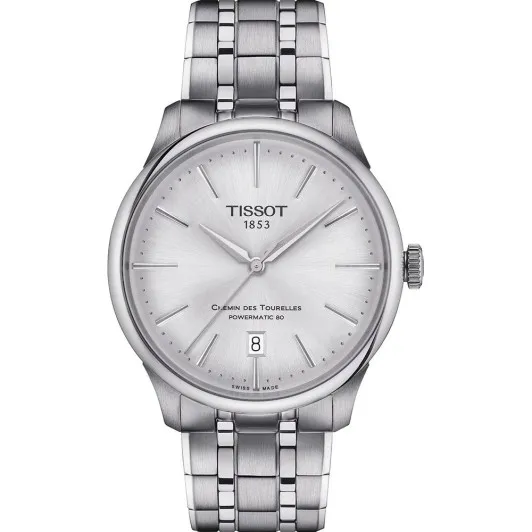
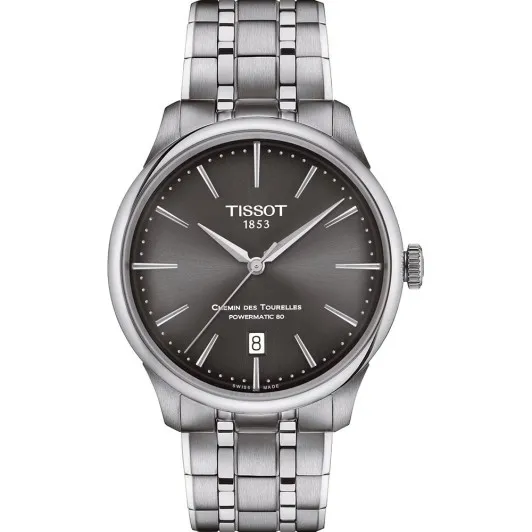
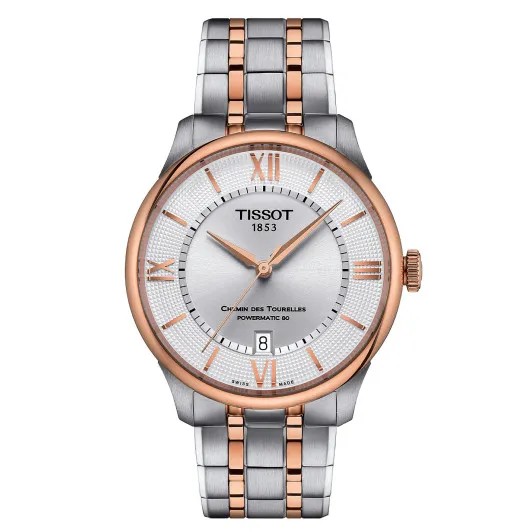
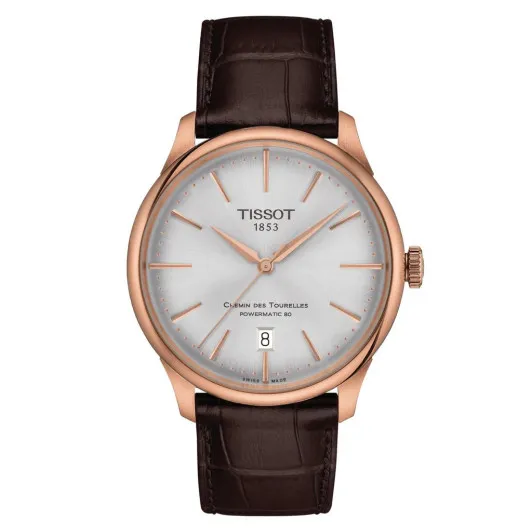
Tissot is a Swiss watch manufacturer founded in Le Locle in 1853, making it one of the longest-running names in the Jura watchmaking region. It sits within the Swatch Group, which gives it access to industrial-scale movement production while keeping retail prices within reach of a broad audience. Tissot is best known for bridging genuine Swiss manufacture with accessible pricing — a position it has held consistently across both mechanical and quartz lines.
Swiss craft at a practical price point
Tissot watches carry the Swiss Made designation, meaning the movement is assembled and regulated in Switzerland and at least 60% of the manufacturing cost is Swiss. In practice, that translates to tighter tolerance standards and more rigorous quality control than most watches at comparable prices. For buyers who want a certified Swiss movement without moving into four-figure territory, Tissot occupies a well-defined niche between entry-level fashion watches and true luxury. The selection here spans from around €400 to around €2,200, covering both quartz and automatic references.
Choosing the right Tissot line
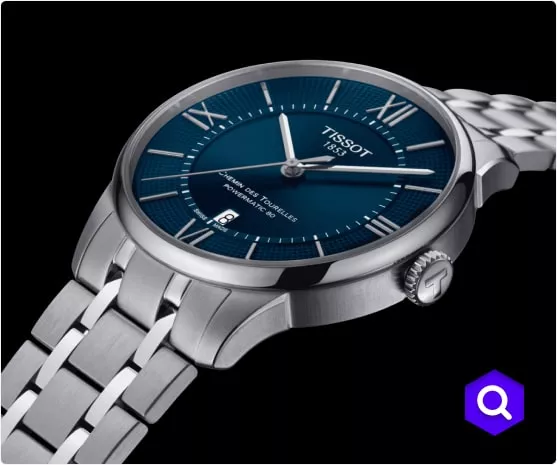
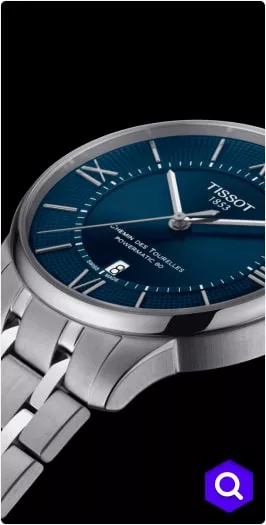
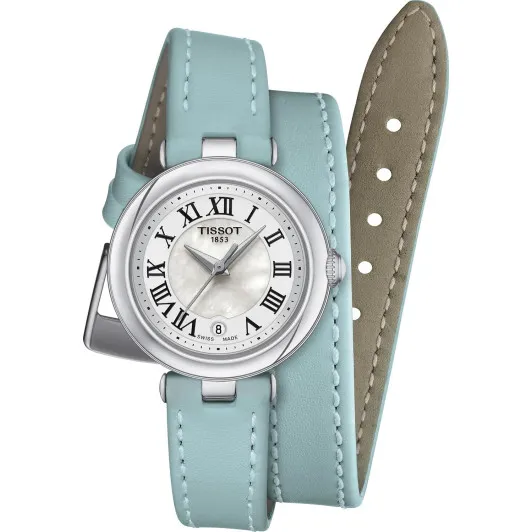
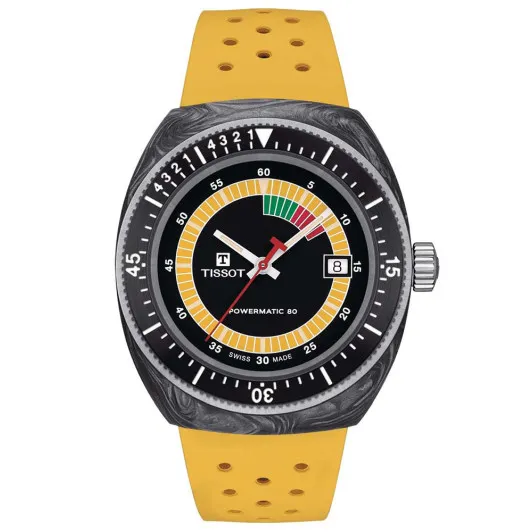
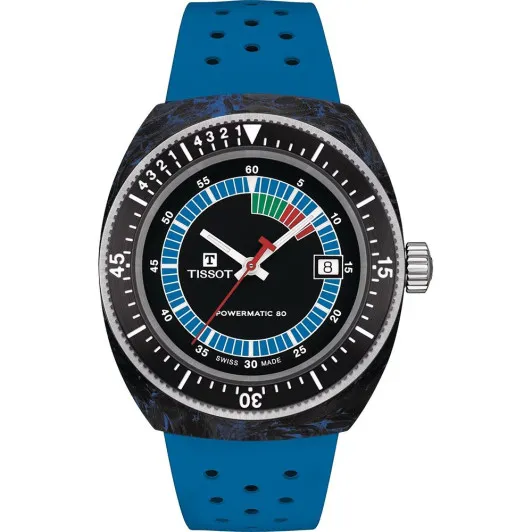
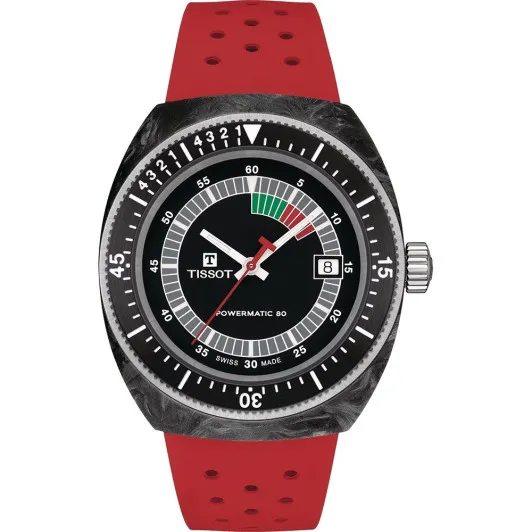
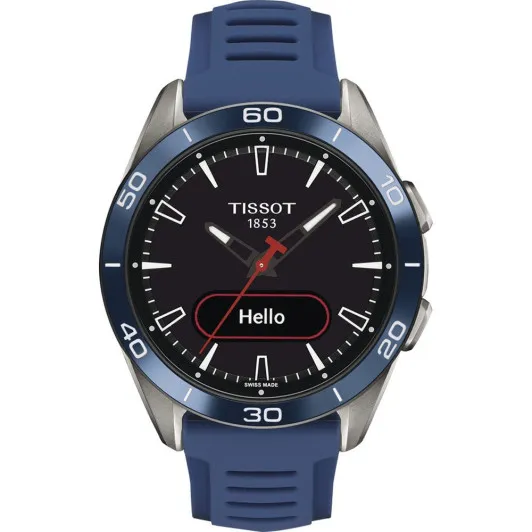
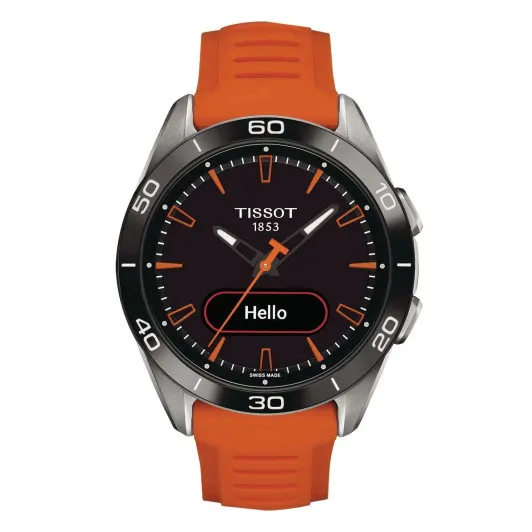
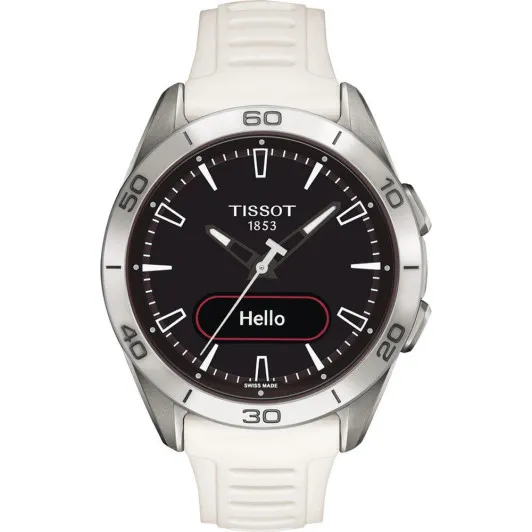
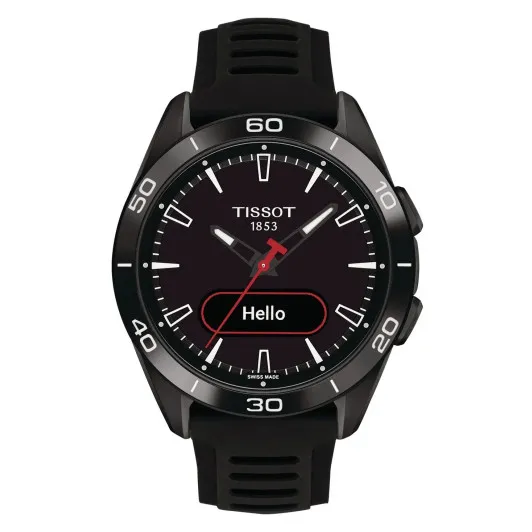
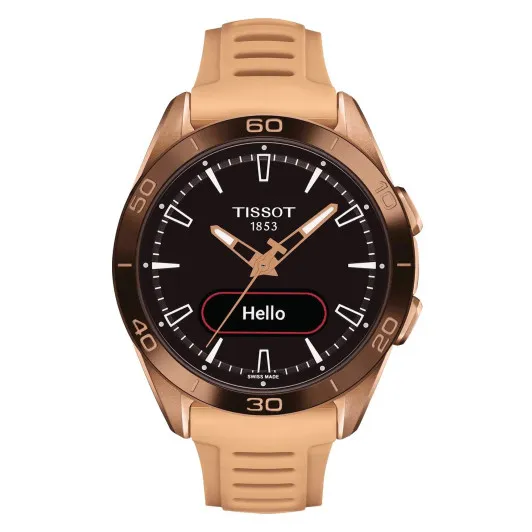
Tissot organises its catalogue around clearly differentiated lines, and picking the right one depends on intended use and movement preference. The Tissot Le Locle is the house's flagship dress automatic, named after the brand's founding town; it suits formal wear and anyone who wants a mechanical movement with a classical dial. The Tissot Chemin des Tourelles takes a slightly more architectural approach to the dress-watch format, with skeletonised or exhibition case-back options that make the movement visible. For everyday wear with a lighter aesthetic, the Tissot Bella Ora offers smaller, fashion-oriented cases suited to women's wrists. At the technical end, the T-Touch Connect Sport combines an analogue-digital display with solar charging and smart connectivity — relevant for active wearers who still want Swiss provenance. The Sideral S Powermatic 80 uses Tissot's own 80-hour power-reserve movement in a skewed, asymmetric case, making it one of the more design-forward automatics in the range.
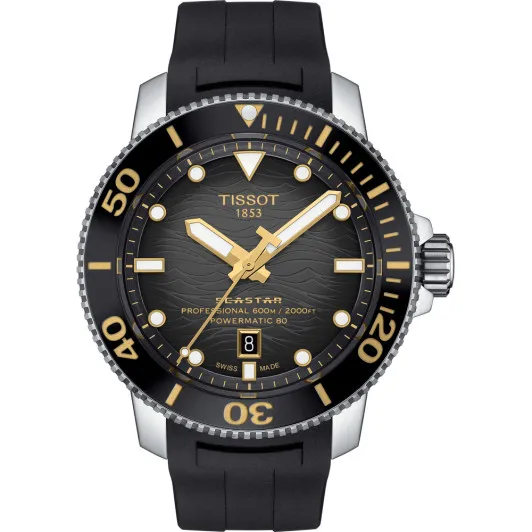
When deciding between quartz and automatic within Tissot's line-up, consider accuracy versus character. A Tissot quartz will keep time to within roughly ±15 seconds per month and needs only a battery change every few years. A Tissot automatic — particularly those running the Powermatic 80 calibre — offers 80 hours of power reserve, meaning it will keep running through a long weekend without wearing it, and it never needs a battery. Automatic movements do require a service every few years, typically more involved than a battery swap.
Tissot watches in our selection
Our Tissot selection covers over 75 references across men's and women's styles, from slim dress pieces to sport-capable models with higher water resistance. Case sizes range from compact fashion dials through to larger sport and technical references. If you are choosing a Tissot as a gift, the Gift Shop offers a broader view across price points and styles. To compare Tissot against other Swiss and designer watches, the full brands hub lists every marque we carry.
Is Tissot a luxury watch brand?
Tissot is not classified as a luxury brand in the strict sense — it sits in the 'accessible Swiss' tier, above fashion watches but below maisons such as Longines or Omega. That said, it uses genuine Swiss movements, sapphire crystals on most references, and solid case construction, so the quality is meaningfully higher than the price alone might suggest. It is a strong choice for a first serious watch or a daily wearer where durability and serviceability matter.
Who makes Tissot watches?
Tissot watches are manufactured in Le Locle and Le Sentier, Switzerland, under the ownership of the Swatch Group — the world's largest watch conglomerate. Movements used in Tissot automatics, including the Powermatic 80, are produced by ETA, a Swatch Group subsidiary that supplies movements to dozens of Swiss brands across multiple price tiers.