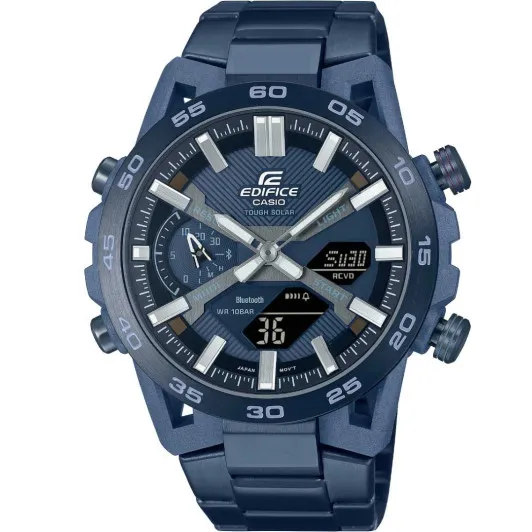
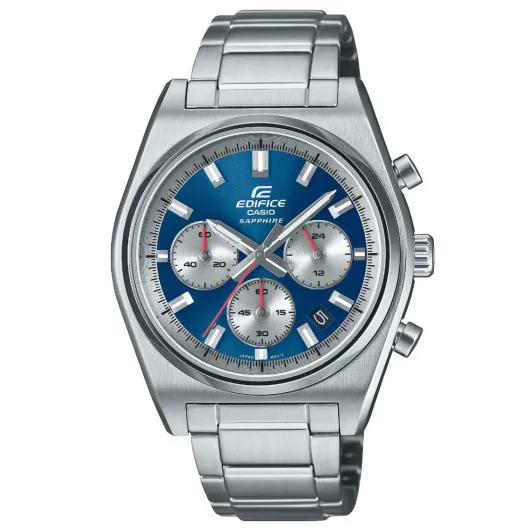
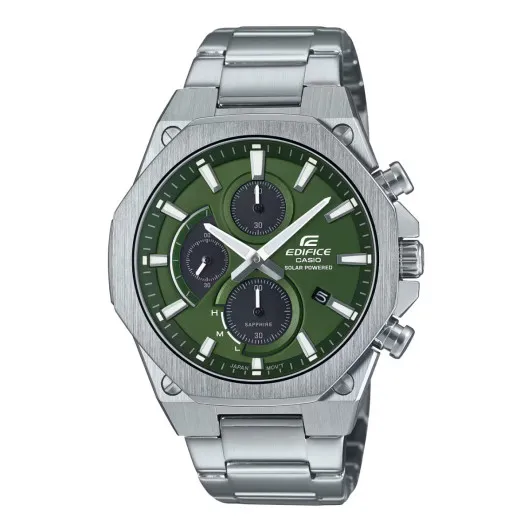
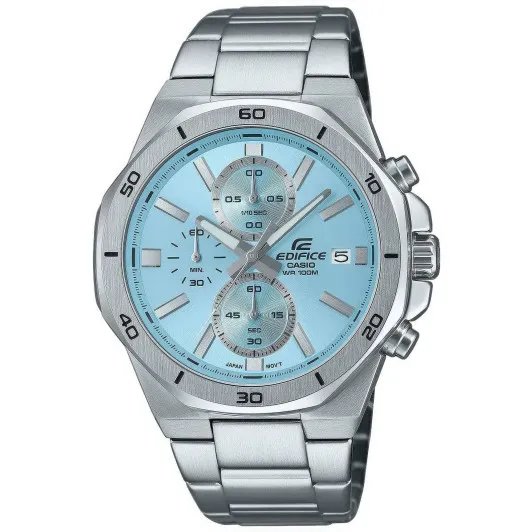
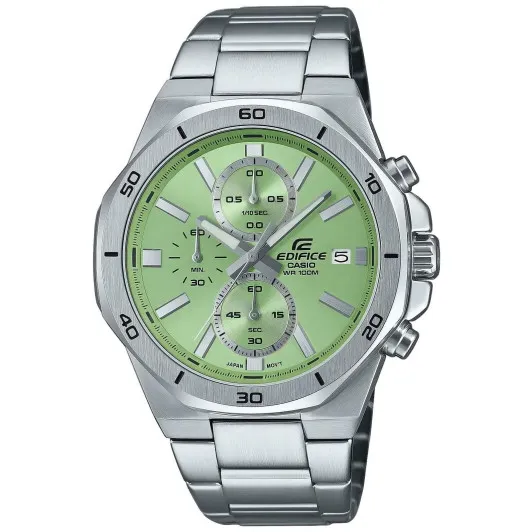
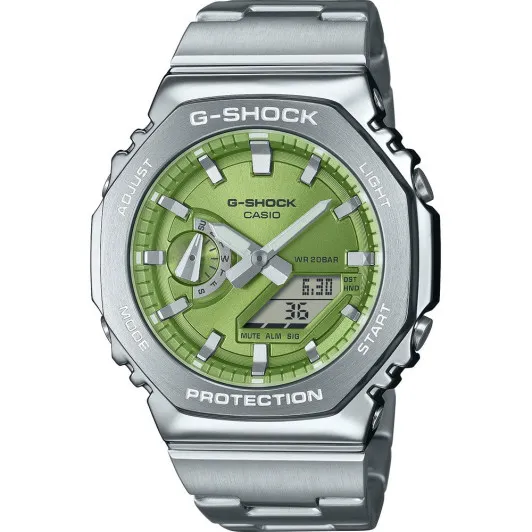
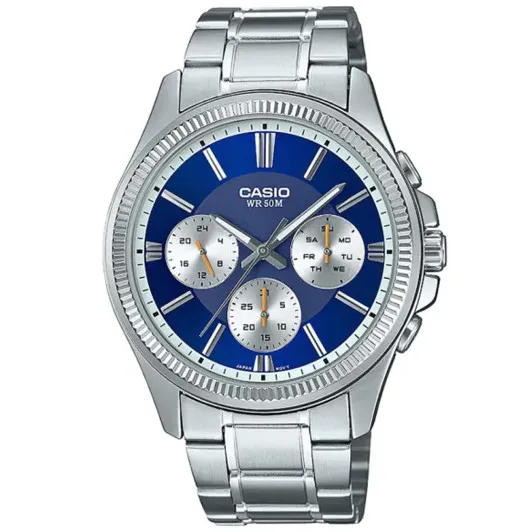
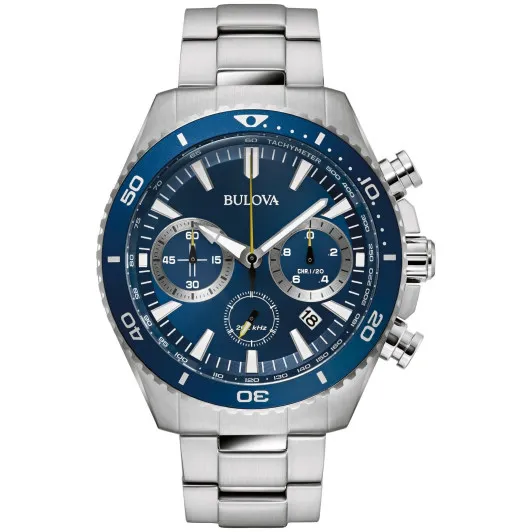
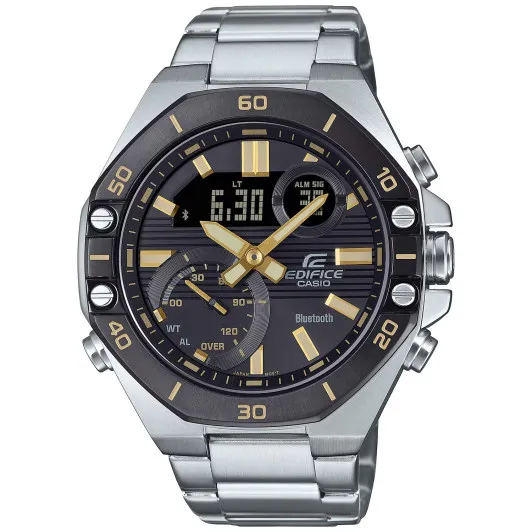
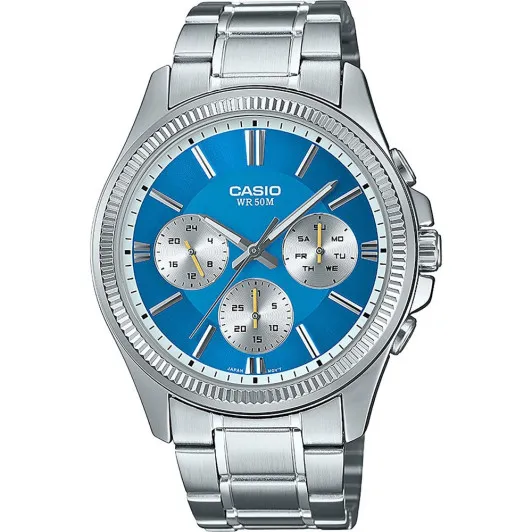
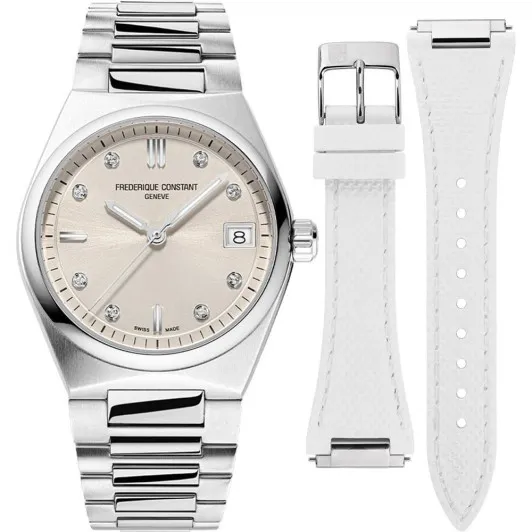
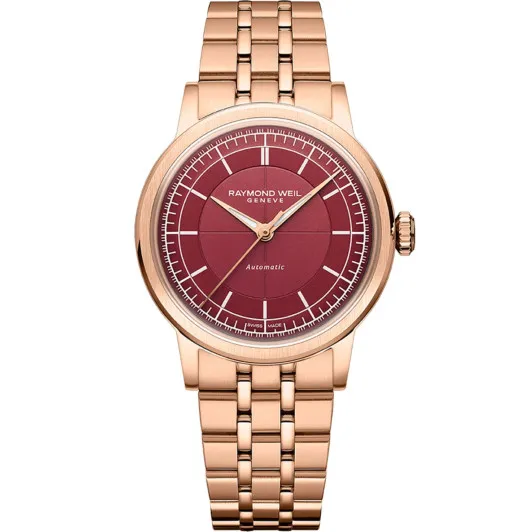
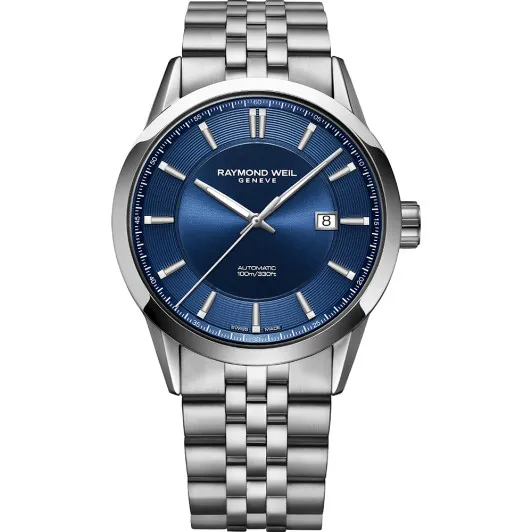
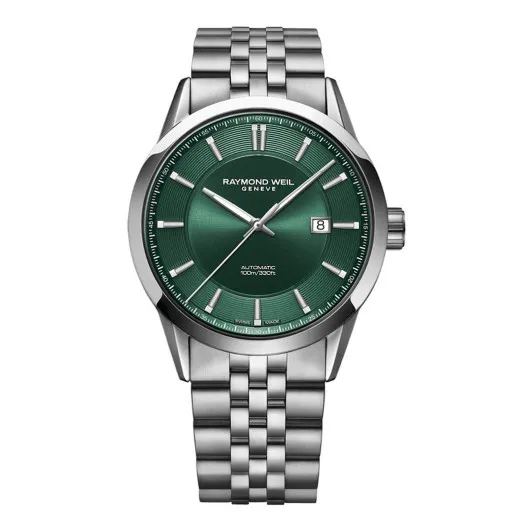
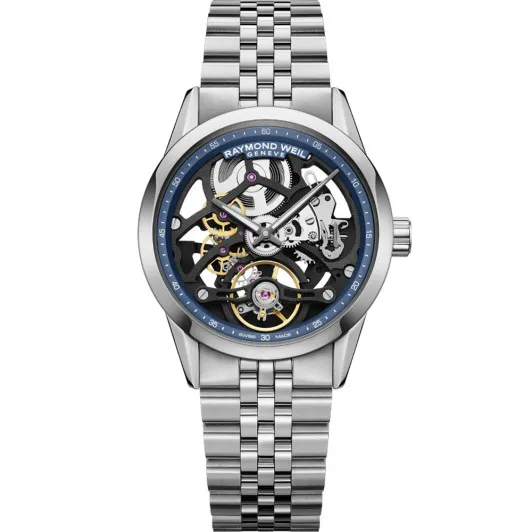
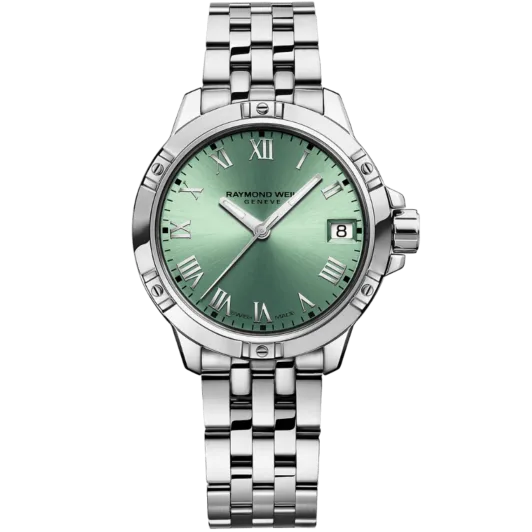
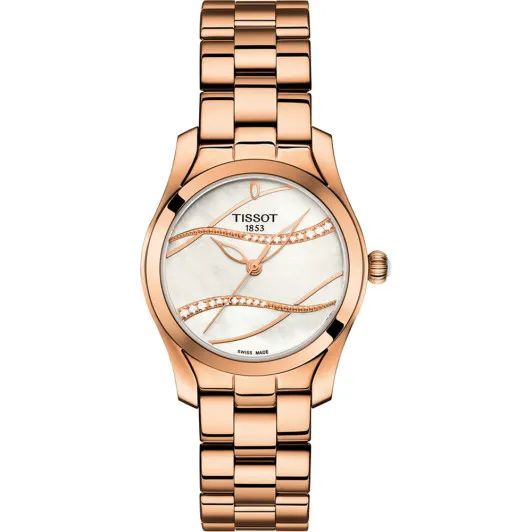
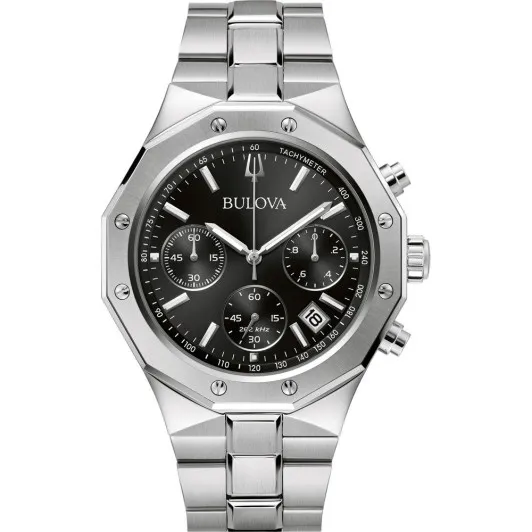
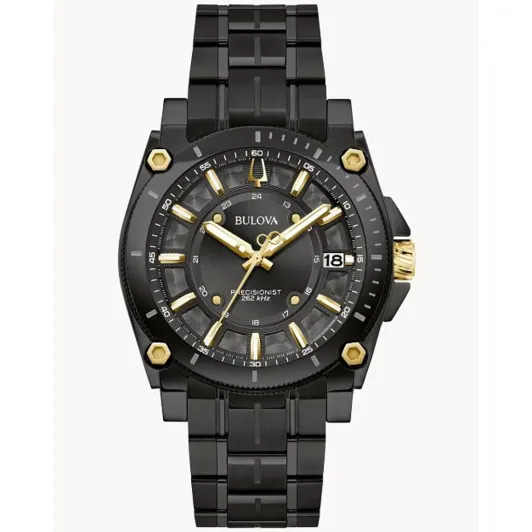
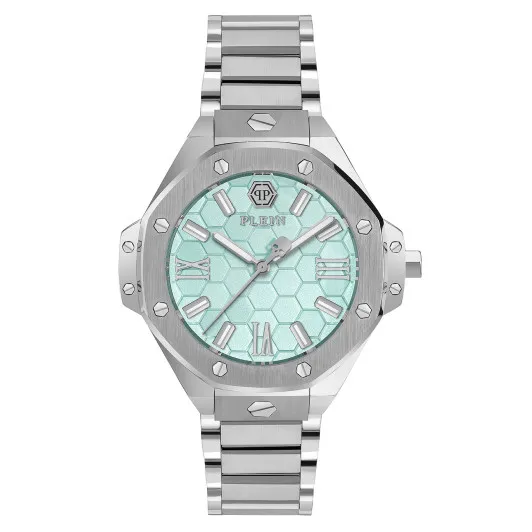
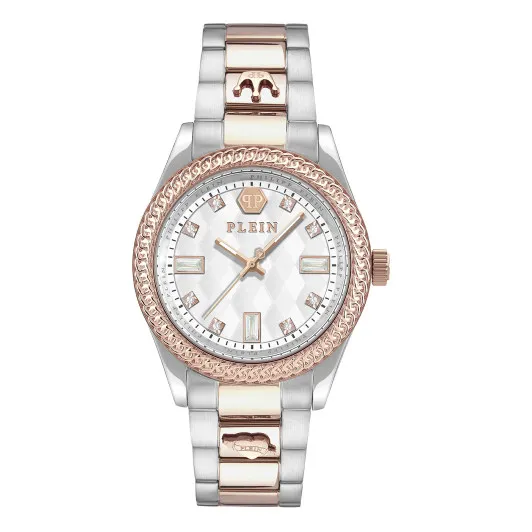
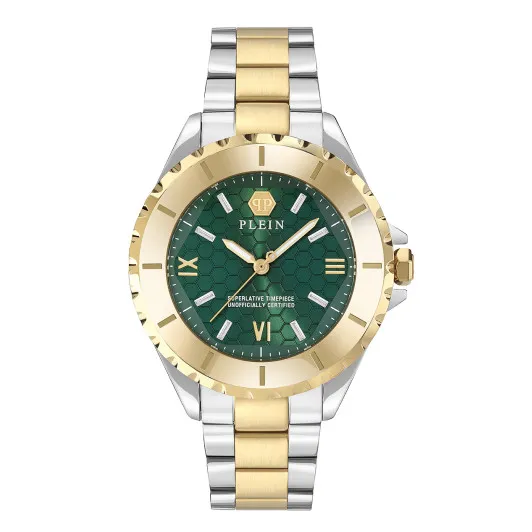
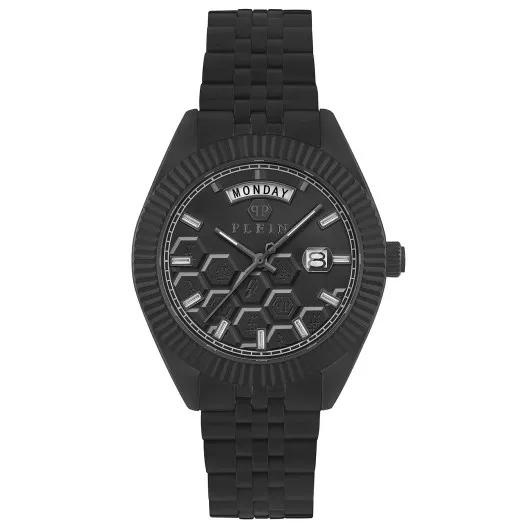
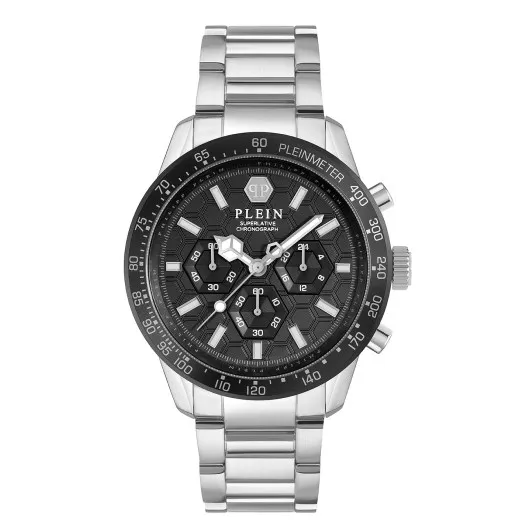
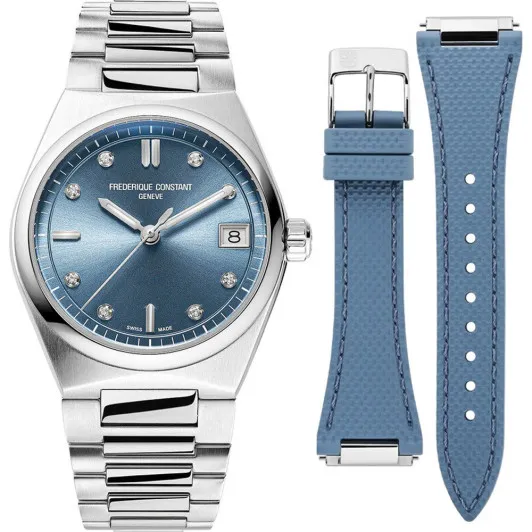
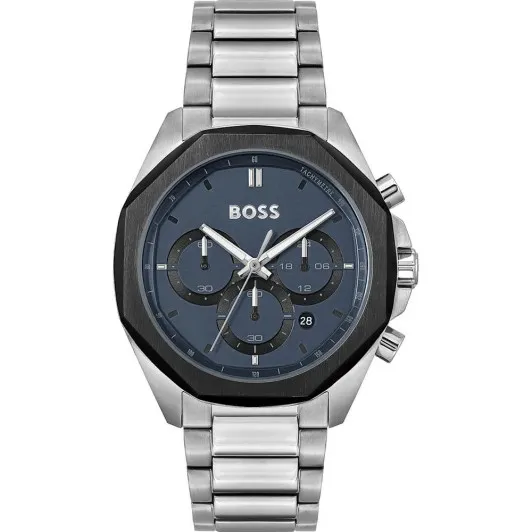
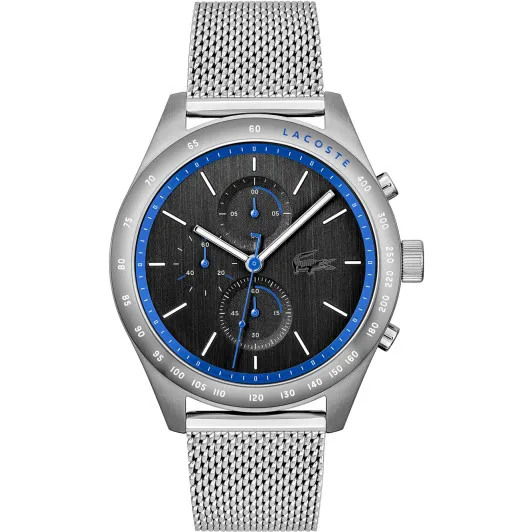
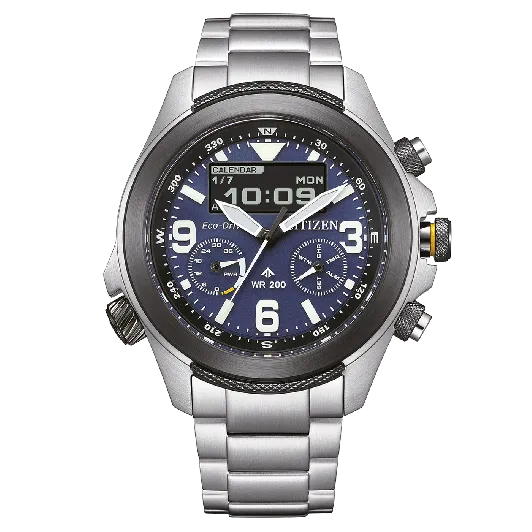
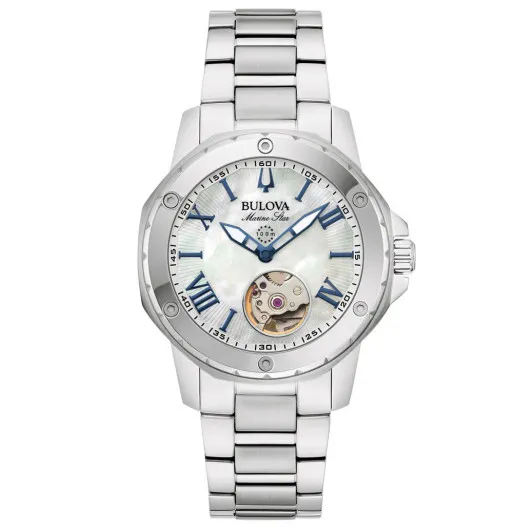
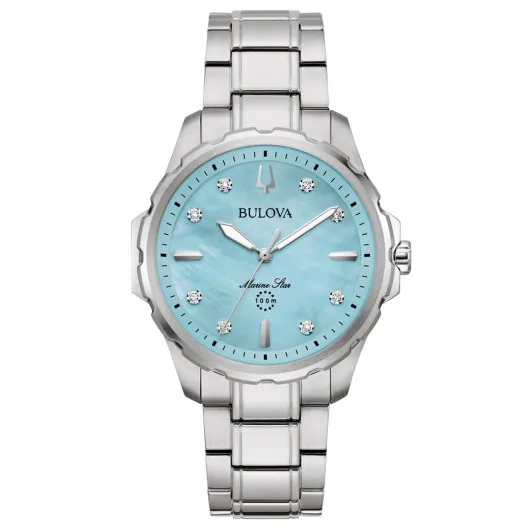
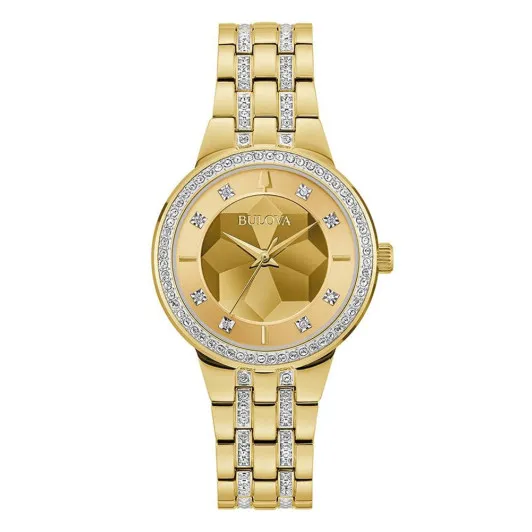
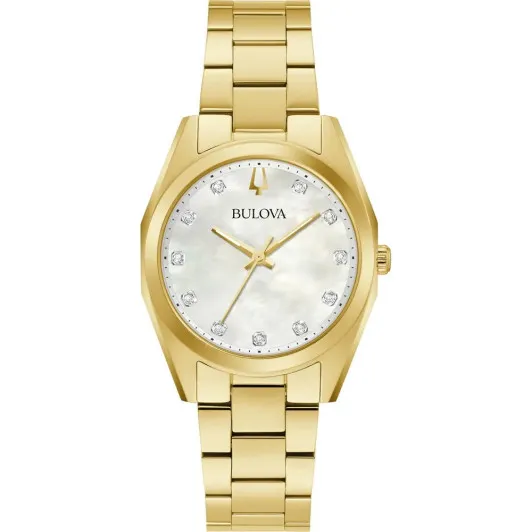
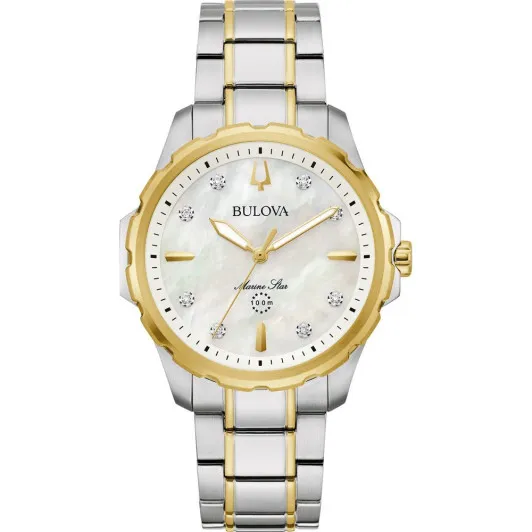
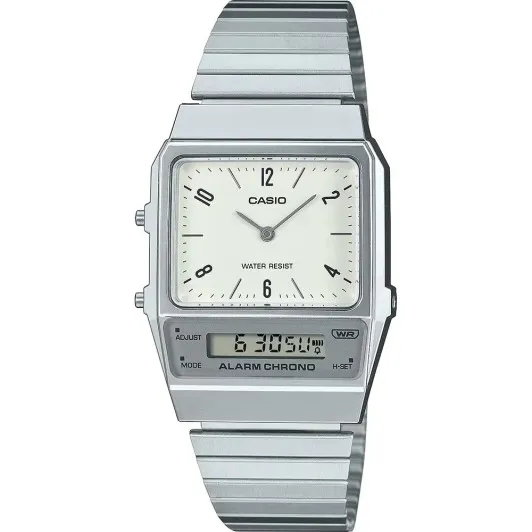
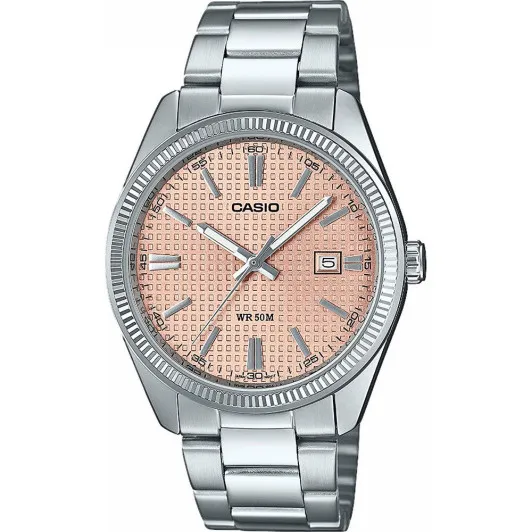
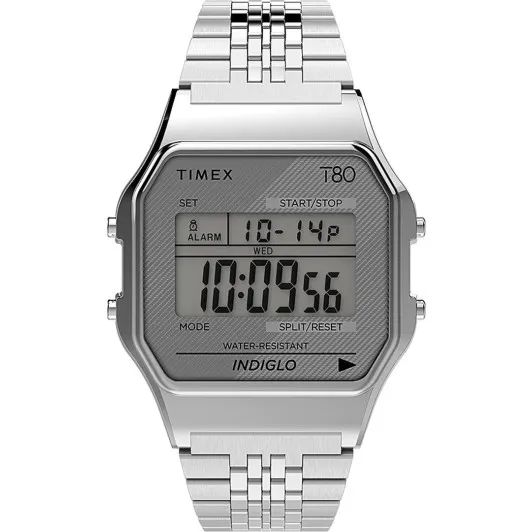
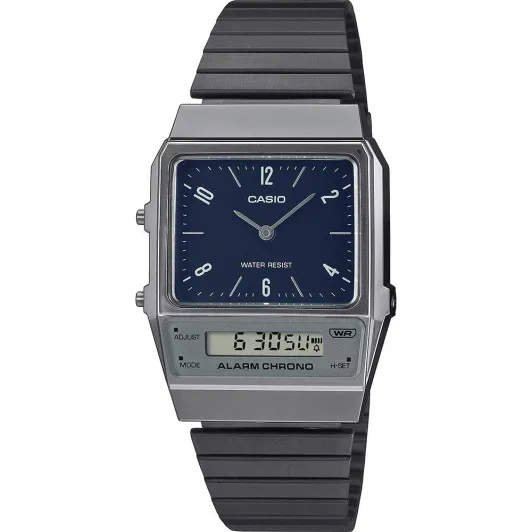
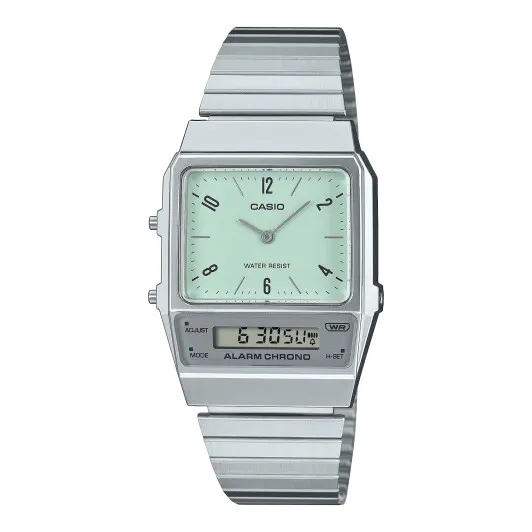
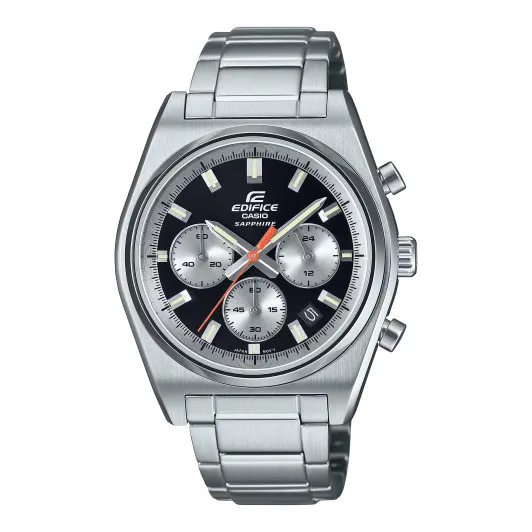
Stainless steel is the dominant case and bracelet material in watchmaking, and for good reason: it resists corrosion, holds its finish over years of daily wear, and sits comfortably across a price range that spans entry-level quartz pieces to serious Swiss mechanical watches. With over 1,100 pieces in this category — from Casio and Timex through to Tissot, Citizen, Versace, Philipp Plein and Aston Martin — the selection covers both men and women at a wide spread of price points.
What stainless steel actually means for your watch
Most watch cases use 316L surgical-grade stainless steel, which contains molybdenum for added corrosion resistance — useful if you wear your watch in salt water or sweat regularly. The alloy is harder than gold or silver, so it resists scratches better, though it is not scratch-proof. A brushed finish hides minor abrasions well; a polished finish looks sharper but shows contact marks more readily. Many cases combine both on different surfaces, which is worth examining in the product images before you buy.
Steel bracelets add weight compared with leather or rubber straps, but they are more durable and easier to resize at home with a basic pin tool. If weight is a concern — particularly for larger case sizes above 44 mm — consider whether a titanium option might suit you better; titanium is roughly 40% lighter for the same volume of material.
Choosing within the Stainless Steel range
Movement type is the first decision. A quartz stainless steel watch — common at the lower end of the price range — requires a battery change every one to three years but keeps time to within a few seconds per month without any maintenance. An automatic movement, found in many mid-range and premium steel watches, is powered by wrist motion and needs no battery, but gains or loses a few seconds per day and benefits from a service every four to five years. Solar-powered movements, a hallmark of Citizen's Eco-Drive line, use light to charge an internal cell and can go years without attention.
Case diameter shapes how a watch reads on the wrist. For men, 38–42 mm sits in the classic range; 43–46 mm reads as sport or statement. For women, 28–36 mm is conventional, though many prefer 38 mm and above for legibility. Lug-to-lug distance — the measurement across the case from top to bottom — is often more relevant than diameter alone, since it determines how the watch sits across your wrist.
Water resistance matters even if you do not swim. A rating of 30 m (3 ATM) covers splashes and rain; 100 m (10 ATM) is suitable for swimming; 200 m and above is appropriate for diving. These ratings assume static pressure, so a 50 m-rated watch should not be worn for lap swimming. For Swiss Made pieces at the higher end of the price range, water resistance is typically well-documented in the specification sheet.
Stainless Steel watches in our selection
The range runs from around €70 to approximately €3,200, which means the same material category covers a Casio quartz everyday watch and a Tissot automatic dress piece. At the lower end, the focus is on reliable quartz movements and clean, versatile dials. From the mid-range upward, you will find Swiss-made movements, sapphire crystals, and more involved bracelet finishing. At the top of the range, brands such as Versace and Philipp Plein bring fashion-house design to steel construction, while Tissot and Citizen represent the Swiss and Japanese watchmaking traditions respectively. To see the full spread of brands available, visit the brands page.