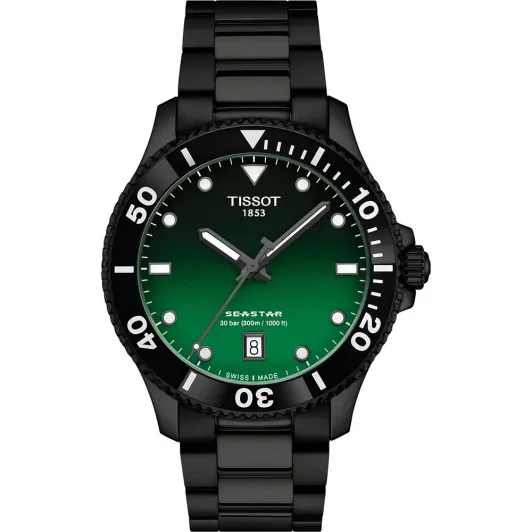
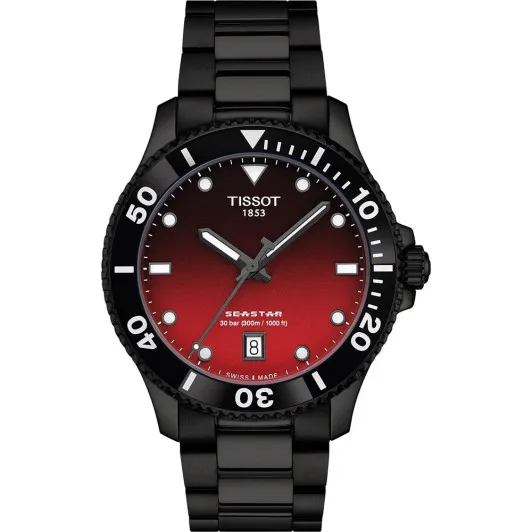
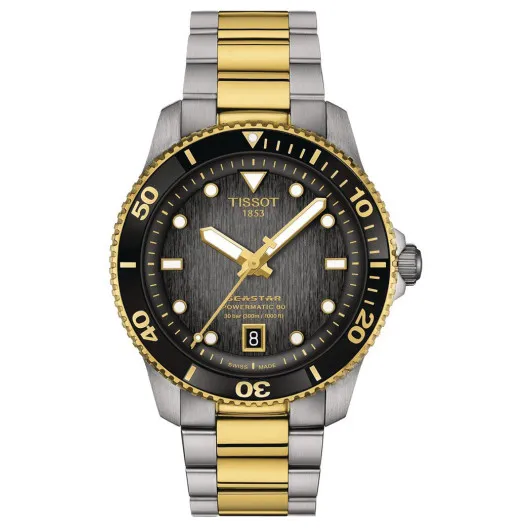
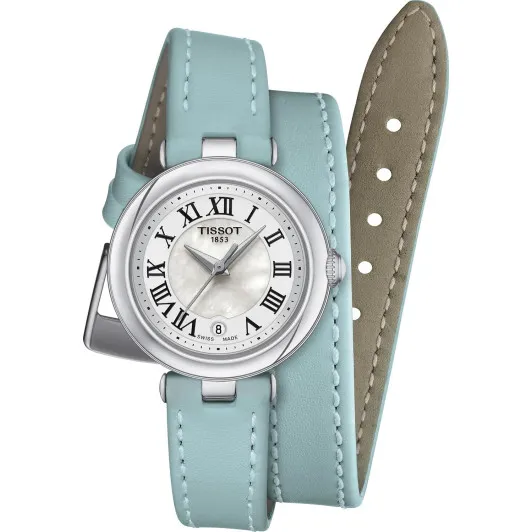
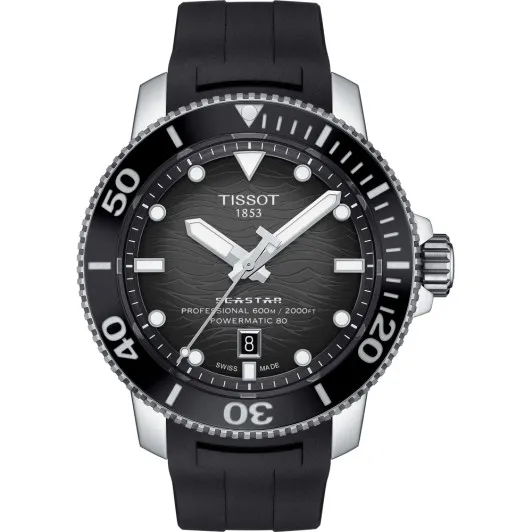
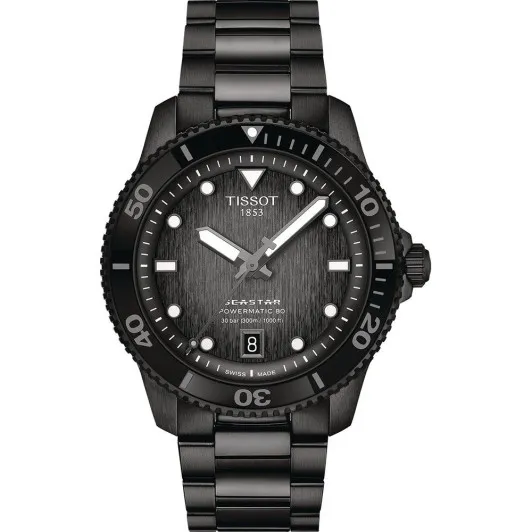
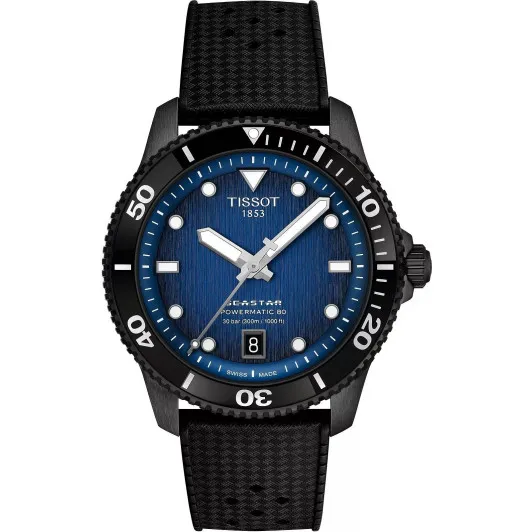
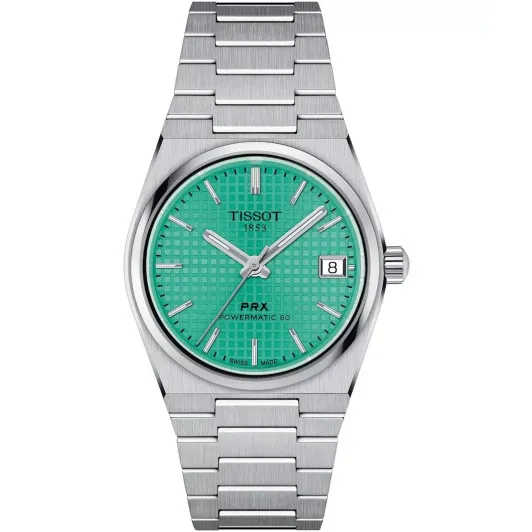
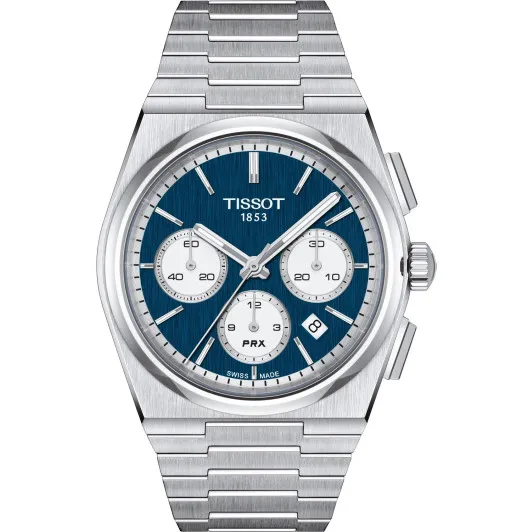
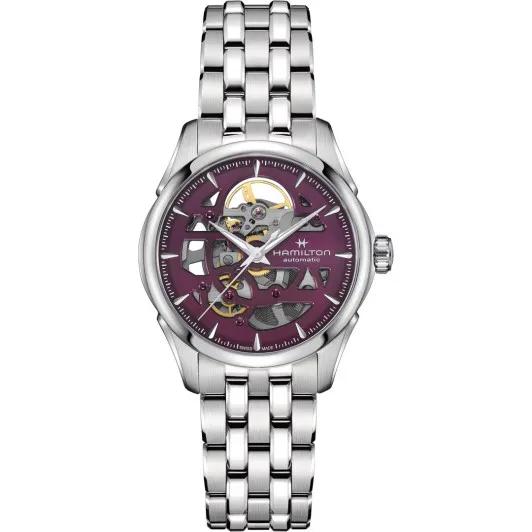
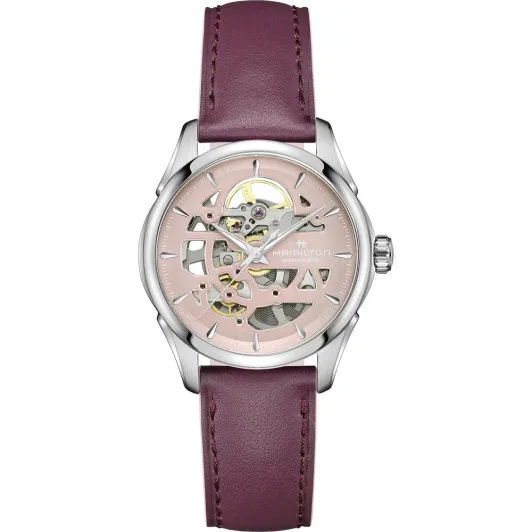
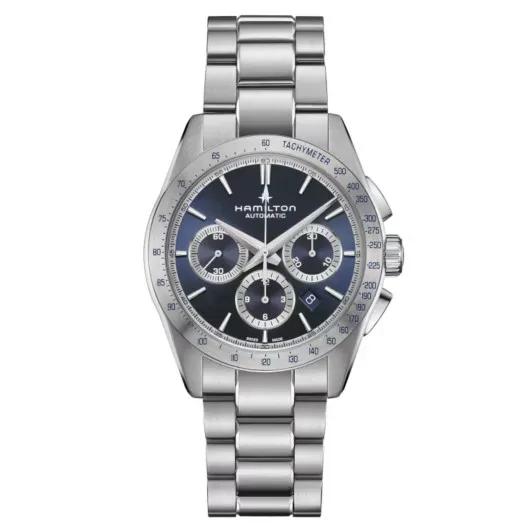
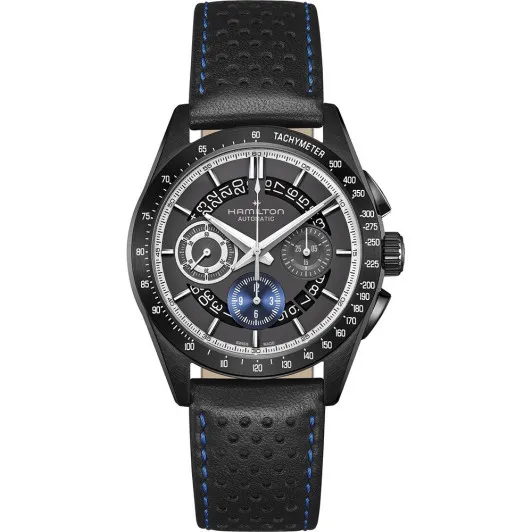
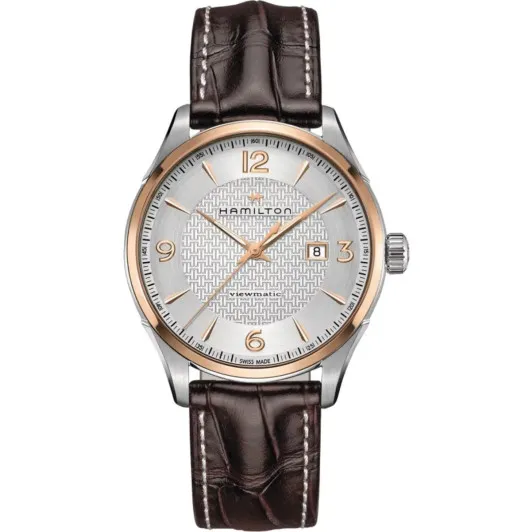
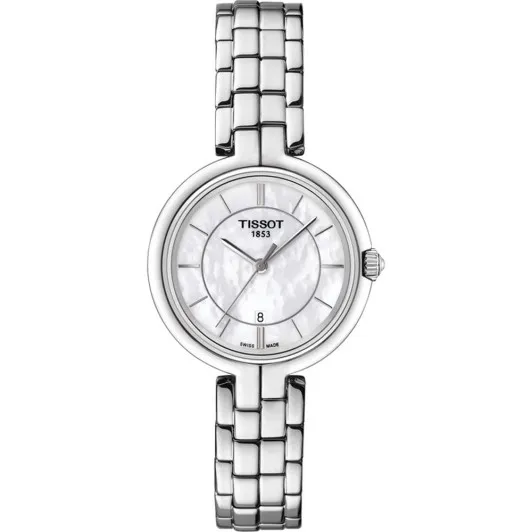
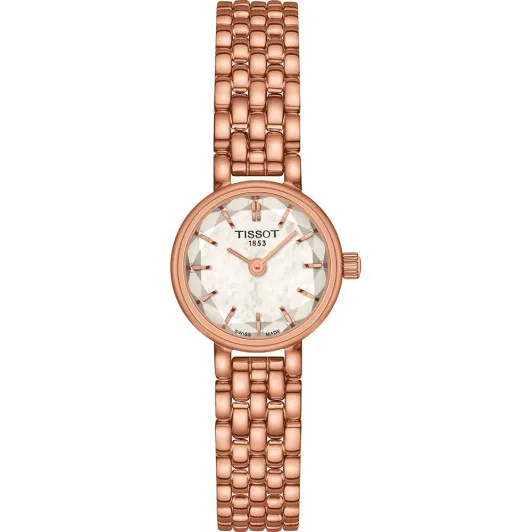
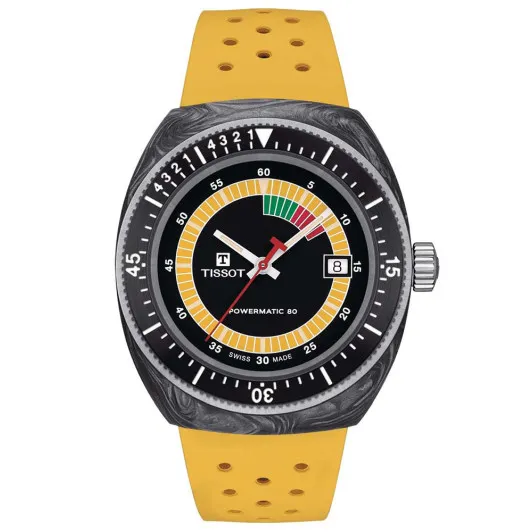
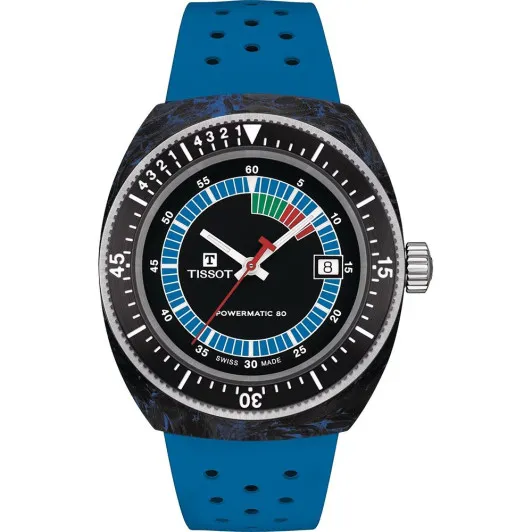
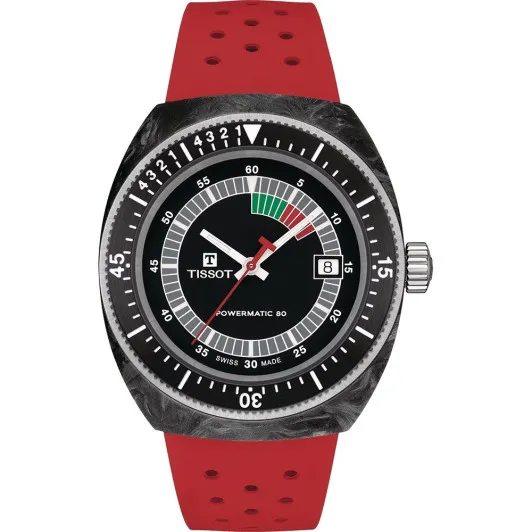
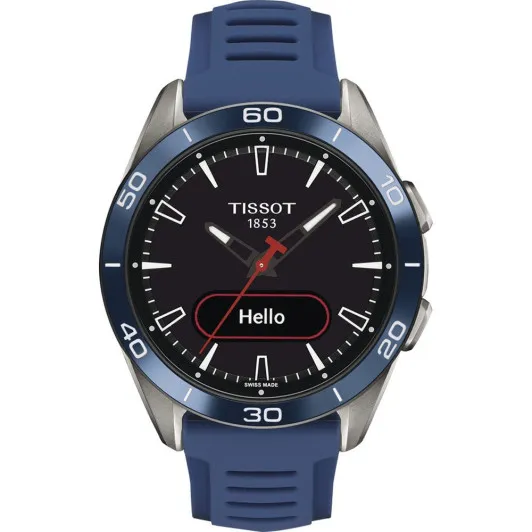
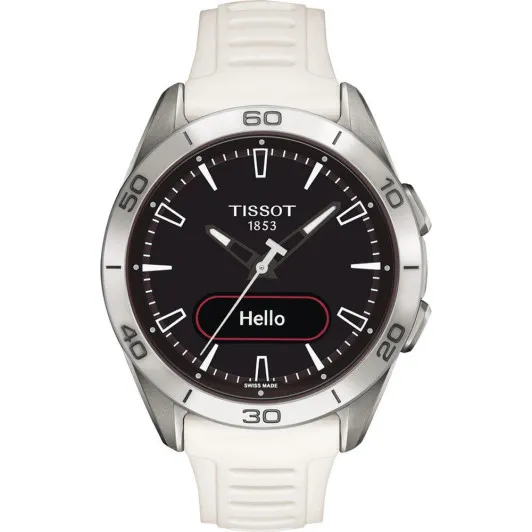
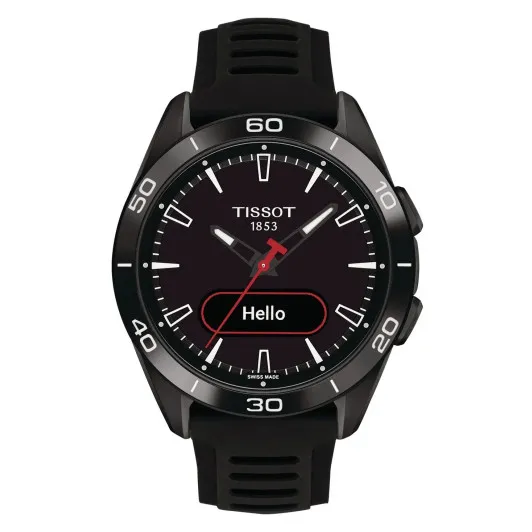
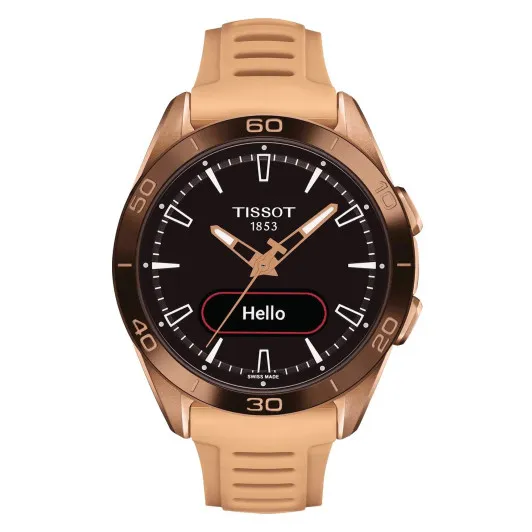
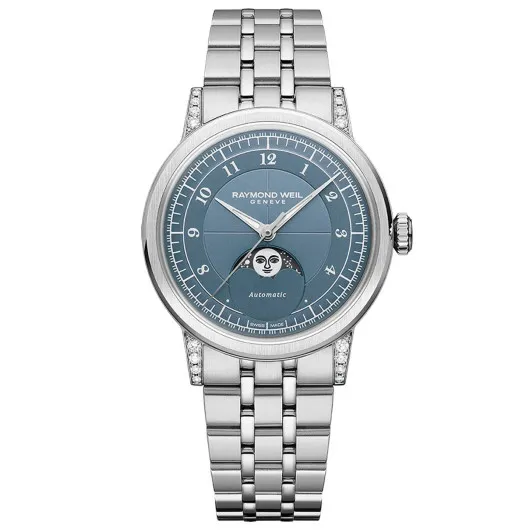
Swiss Made watches occupy a distinct tier in the watch market — not simply because of where they are built, but because of what that origin legally guarantees. To carry the Swiss Made designation, a watch must use a Swiss movement, that movement must be cased up in Switzerland, and the final inspection must take place there too. Beyond the legal threshold, the four brands in this selection — Tissot, Hamilton, Frederique Constant, and Raymond Weil — represent over 550 pieces ranging from around USD 450 to approximately USD 4,000.
What the Swiss Made mark actually means for the movement inside
The movement is the core of the Swiss Made standard. Swiss-lever escapements, in-house or Swiss-sourced calibres, and regulated finishing tolerances all contribute to the accuracy and longevity that justify the premium. Automatic movements — which wind themselves via a rotor as you wear the watch — are common across this price band and eliminate the need for battery changes. Quartz calibres from Swiss manufacturers such as ETA or Ronda deliver tighter timekeeping tolerances than mass-market equivalents, and some Swiss-made solar and connected movements add modern functionality without leaving the Swiss manufacturing framework.
When comparing movements, look at the power reserve (how long the watch runs unworn), whether the calibre is in-house or sourced, and the finishing visible through a display caseback. A longer power reserve — 60, 80, or 100 hours — is a practical advantage if you rotate between watches.
Choosing between the brands in this selection
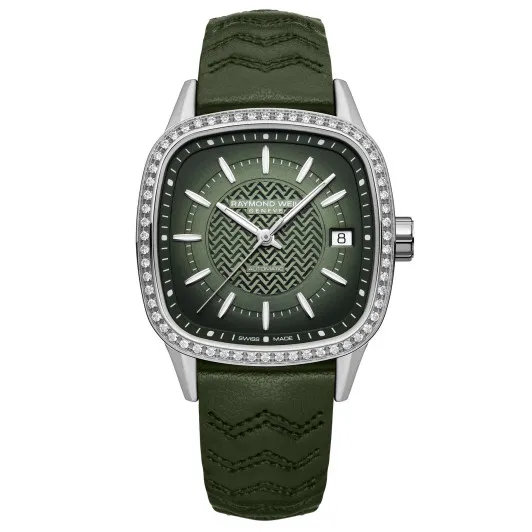
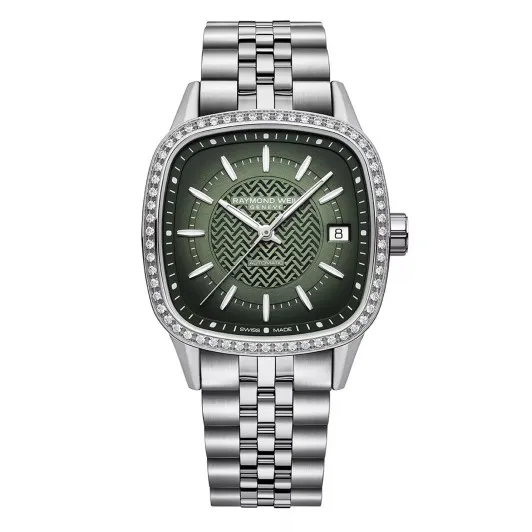
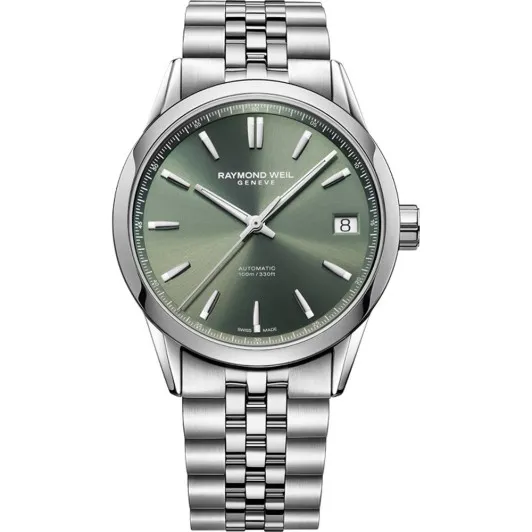
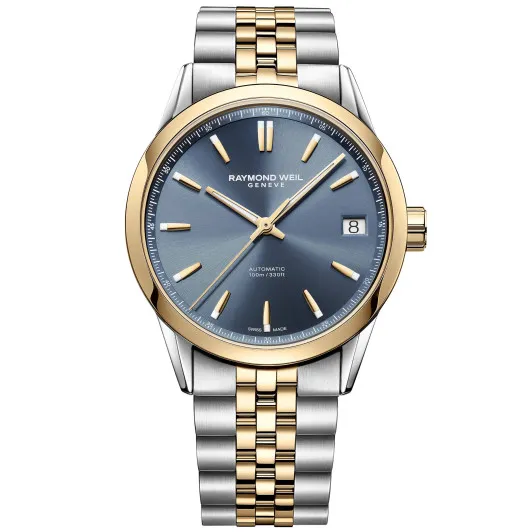
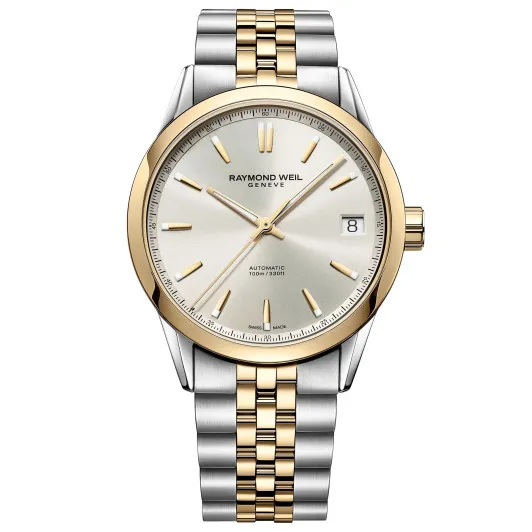
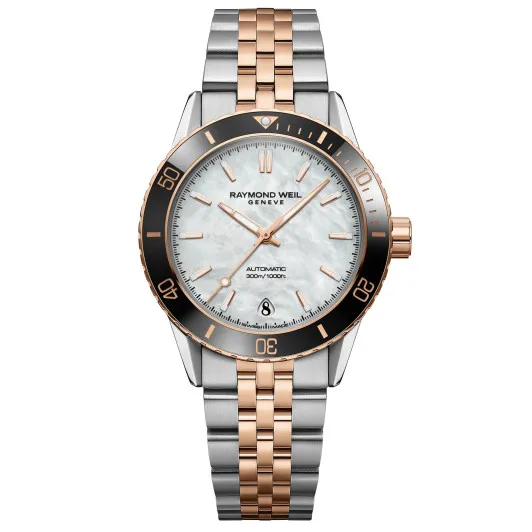
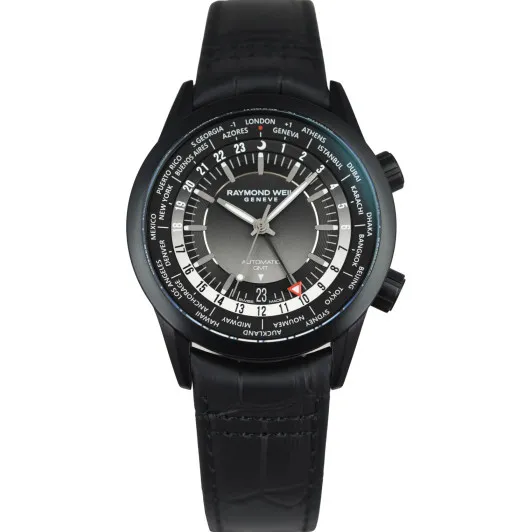
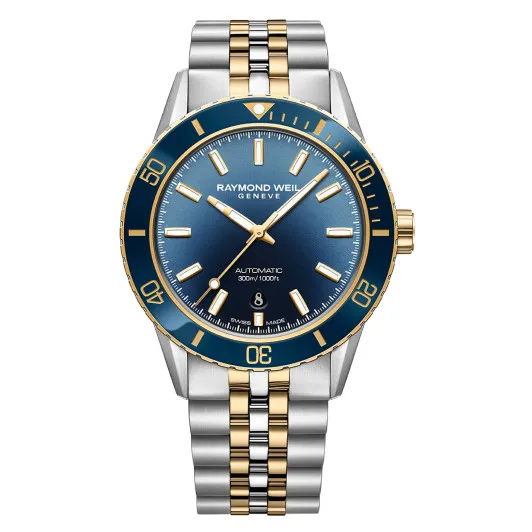
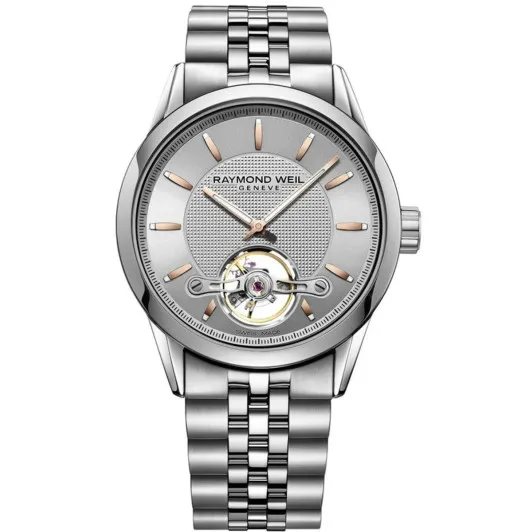
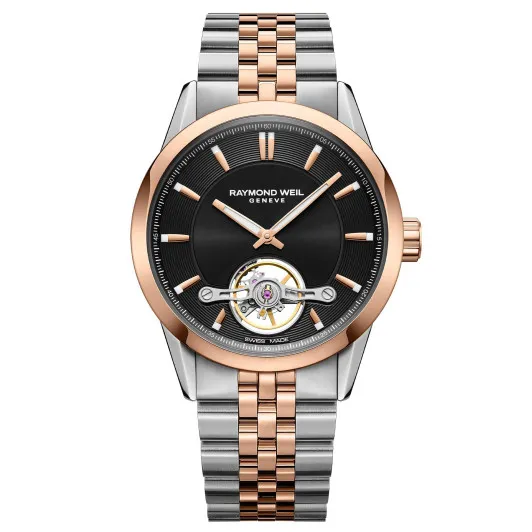
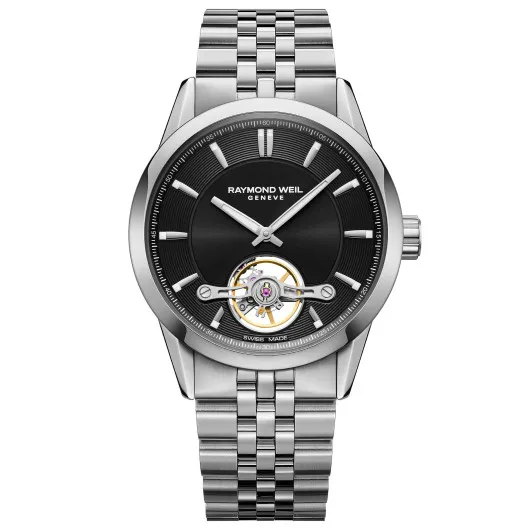
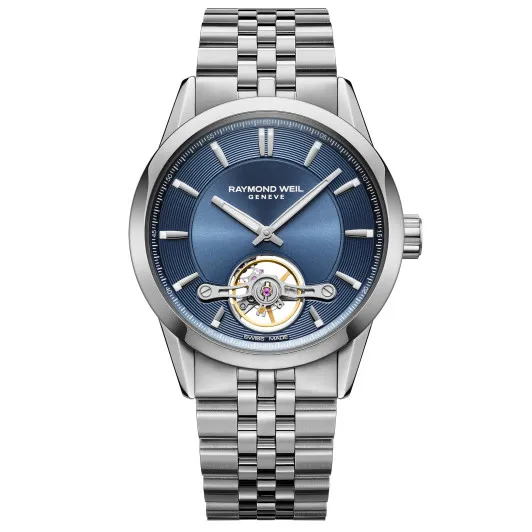
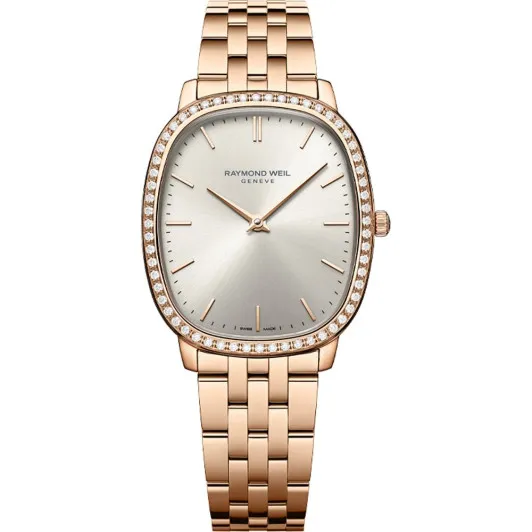
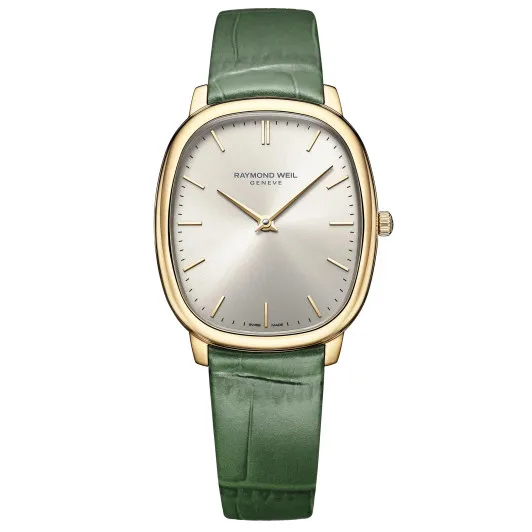
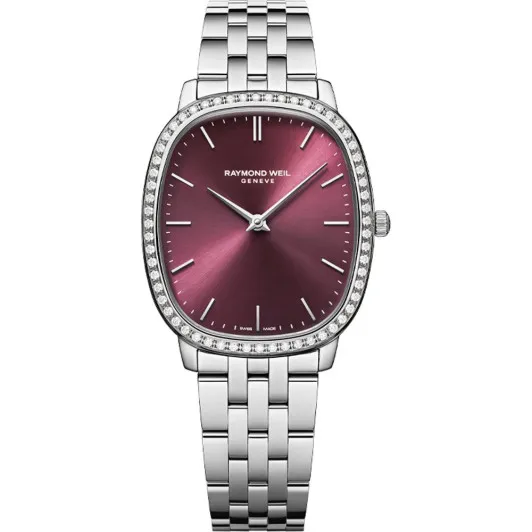
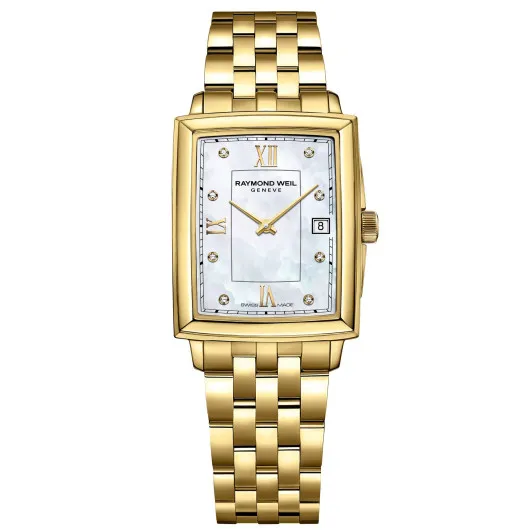
Each of the four brands occupies a recognisable position. Tissot, part of the Swatch Group, covers the widest stylistic ground — from slim dress pieces to sport and connected models — and sits largely in the entry-to-mid Swiss Made tier, making it the natural starting point for first-time buyers. Hamilton, also Swatch Group, draws on its American-heritage aesthetic and is particularly strong in field and pilot-inspired designs with robust automatic movements. Frederique Constant is an independent Geneva manufacture known for producing its own calibres at a price point that would cost considerably more from older-established houses. Raymond Weil, a family-owned Geneva brand founded in 1976, focuses on dress and music-inspired collections with an emphasis on clean dials and reliable Swiss movements.
If you are buying as a gift, the Gift Shop can help narrow the choice by occasion and recipient.
Case size, materials, and wearing occasions
Swiss Made watches in this range span case diameters from roughly 28 mm at the smaller end — suited to slender wrists or a dress-watch proportion — up to 44 mm for sport and field models. Stainless steel is the dominant case material, offering corrosion resistance and durability; some models use PVD or DLC coatings for a darker finish. Sapphire crystal — scratch-resistant and optically clear — is standard across most Swiss Made pieces above the entry price point and is worth confirming before purchase. Water resistance varies widely: a 30-metre rating suits everyday splashes, while 100 metres or more is appropriate for swimming. For men and women alike, the strap or bracelet choice — steel integrated bracelet, leather, or rubber — significantly affects both comfort and versatility across dress and casual contexts.
Is Swiss Made the same as luxury?
Not automatically. The Swiss Made designation is a quality and origin standard, not a price tier. Within this selection, pieces at the lower end of the range deliver the same regulated movement standards as those at the top — the price difference reflects finishing complexity, movement exclusivity, case materials, and brand positioning. If you are comparing Swiss Made pieces against other luxury watches or designer watches, the Swiss Made mark is a reliable indicator of regulated quality, but the decision ultimately comes down to the movement type, the brand's manufacturing depth, and the design language that suits the wearer.