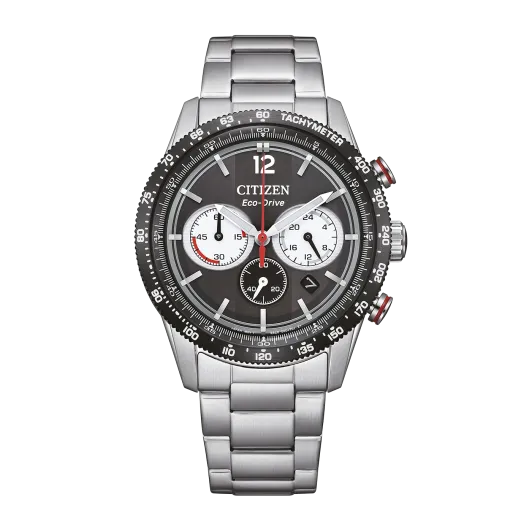
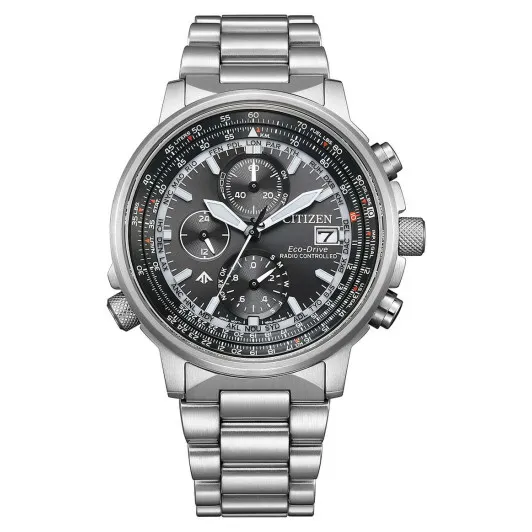
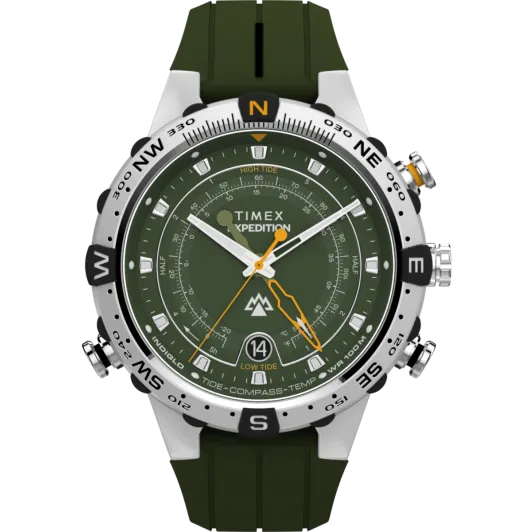
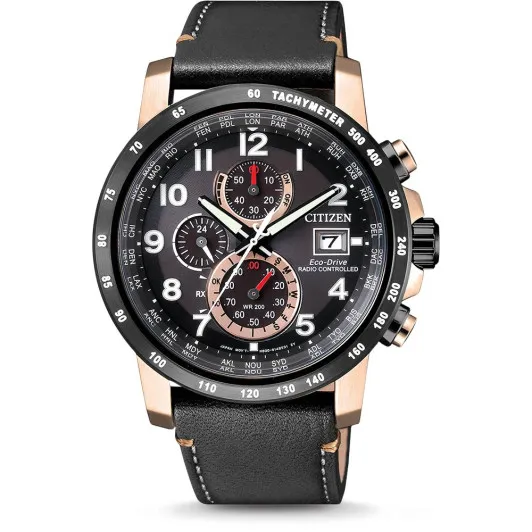
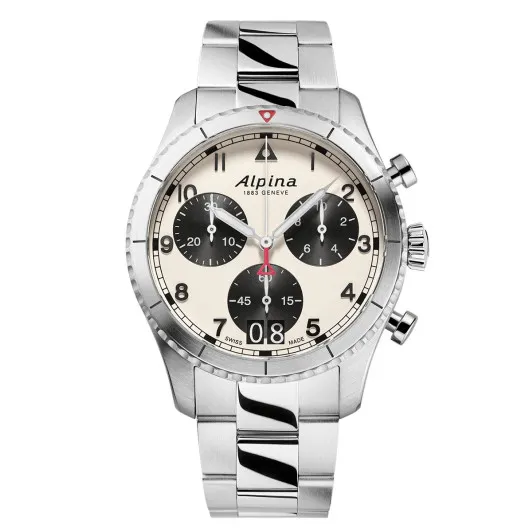
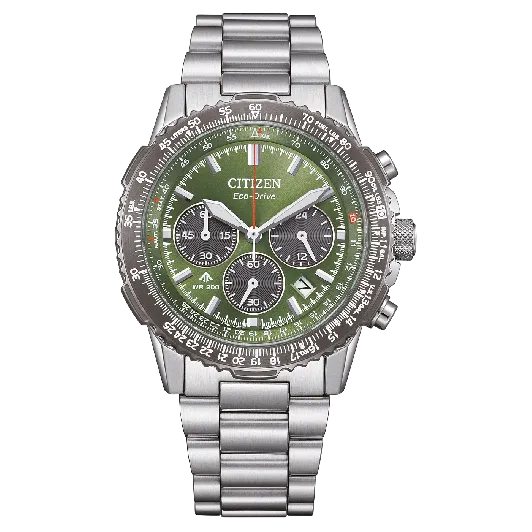
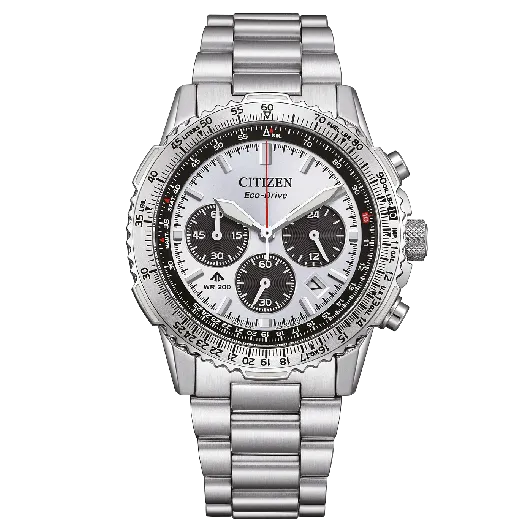
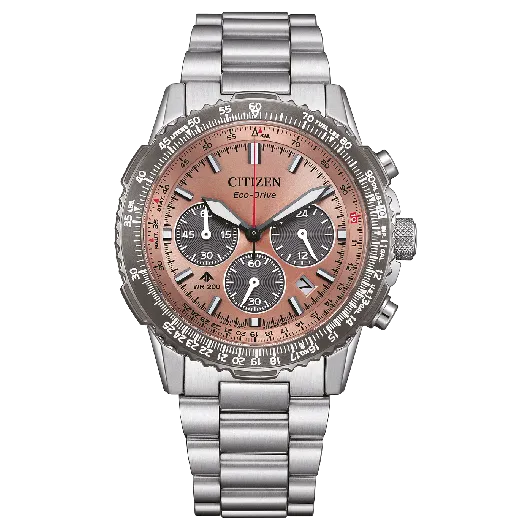
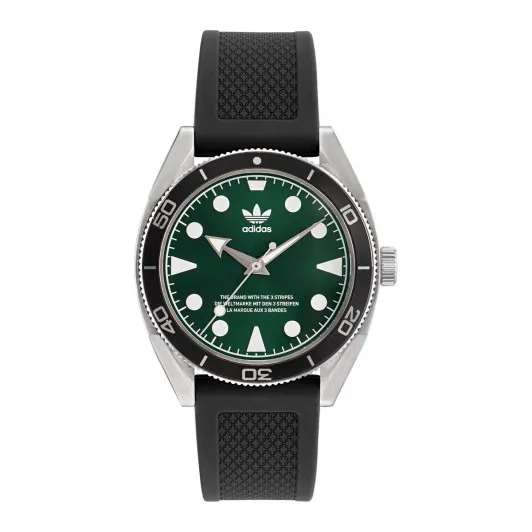
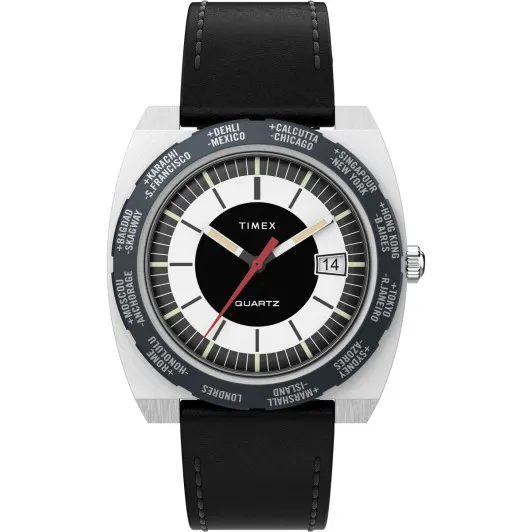
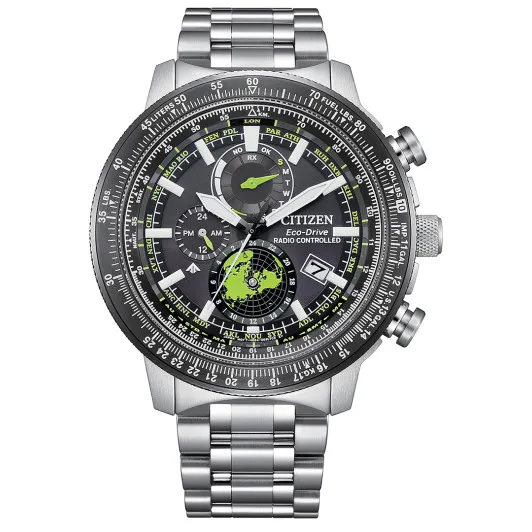
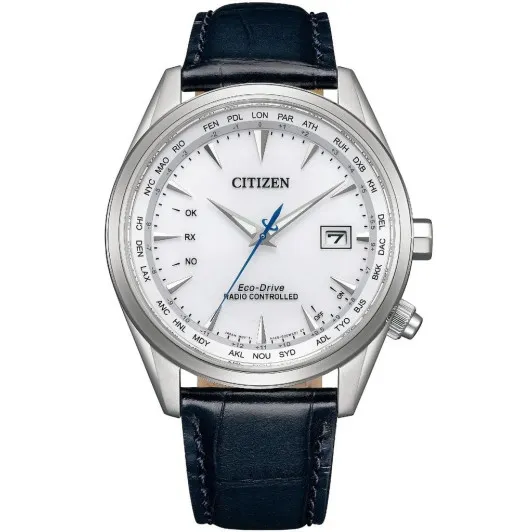
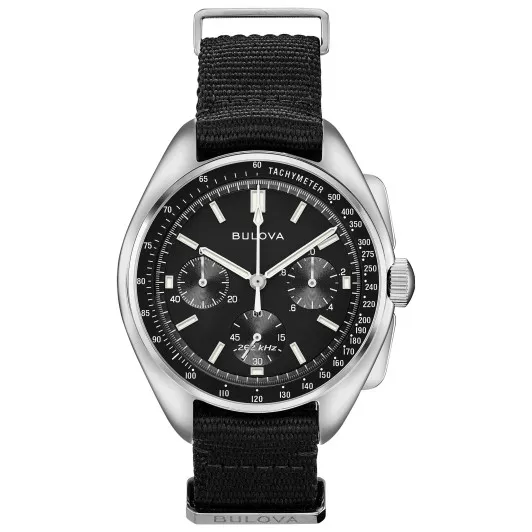
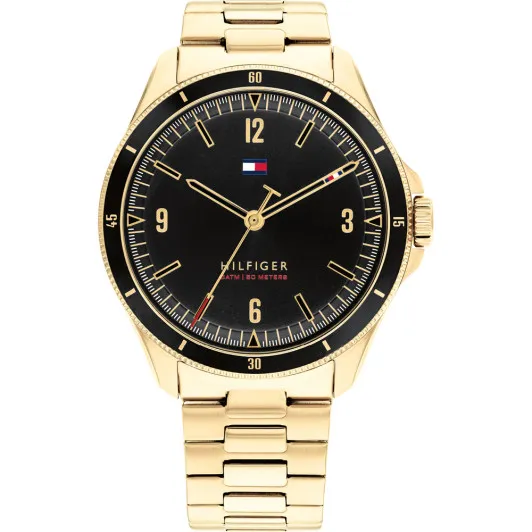
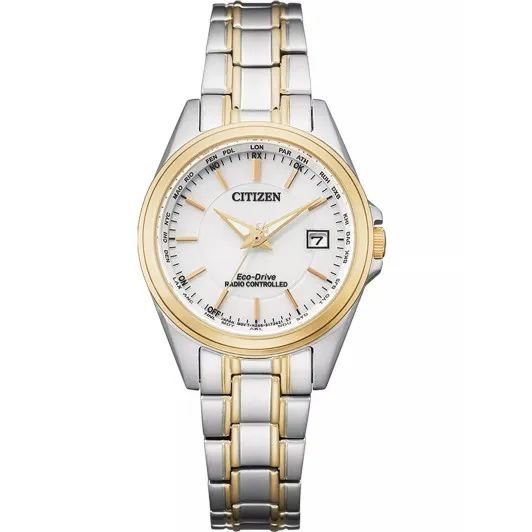
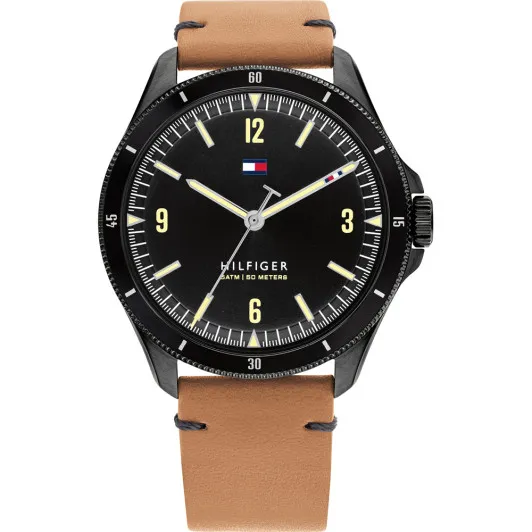
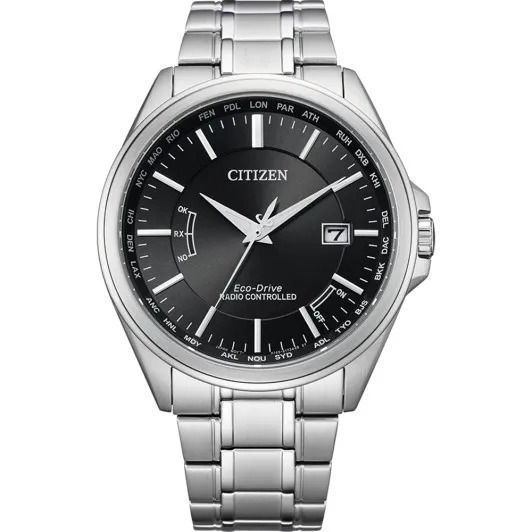
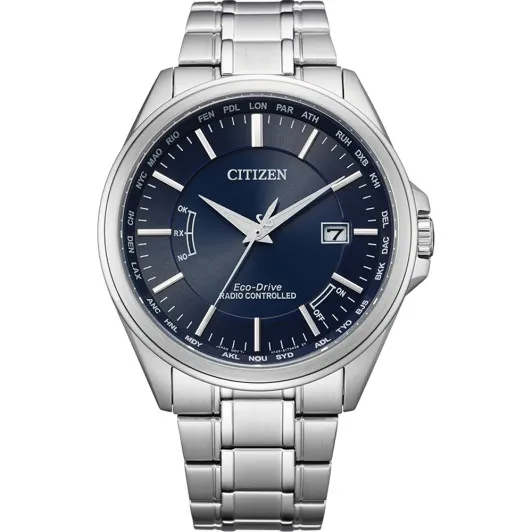
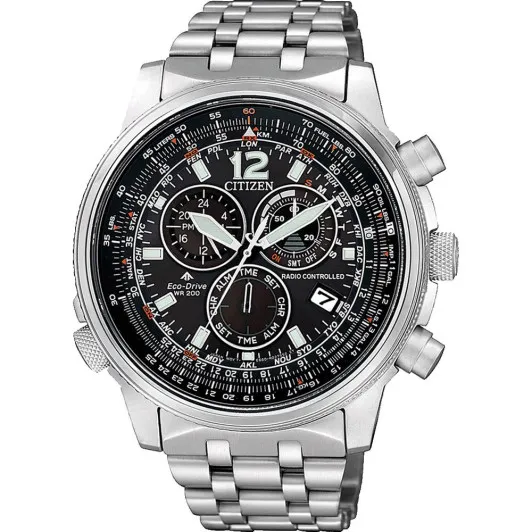
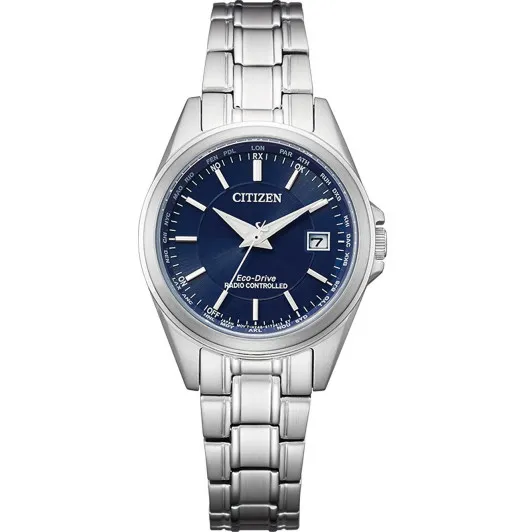
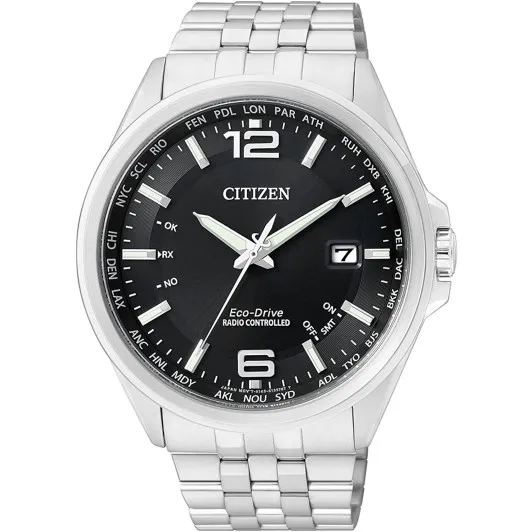
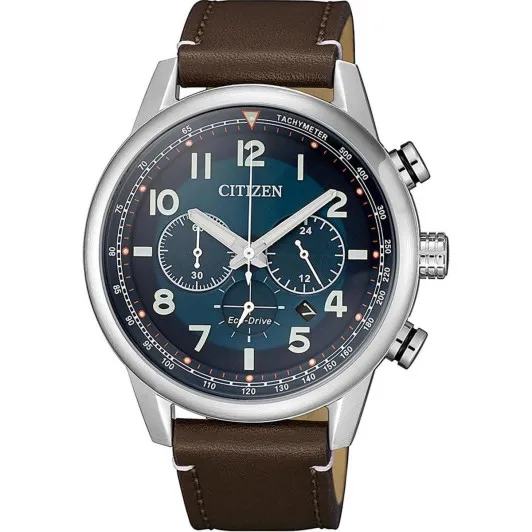
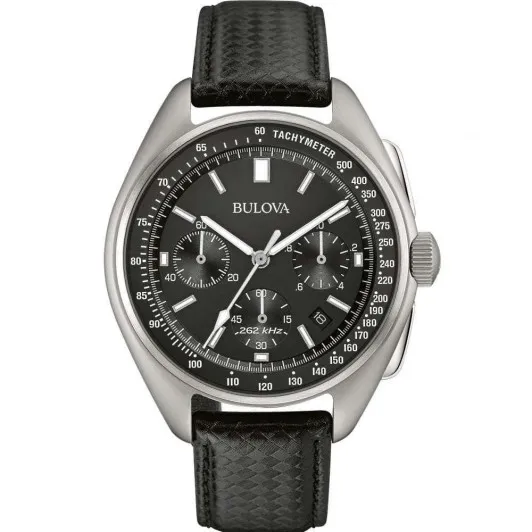
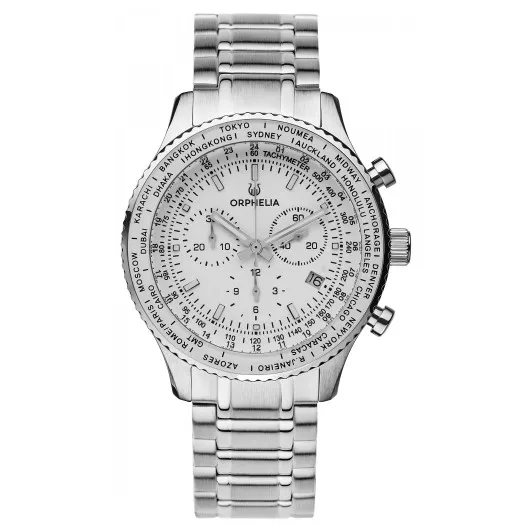
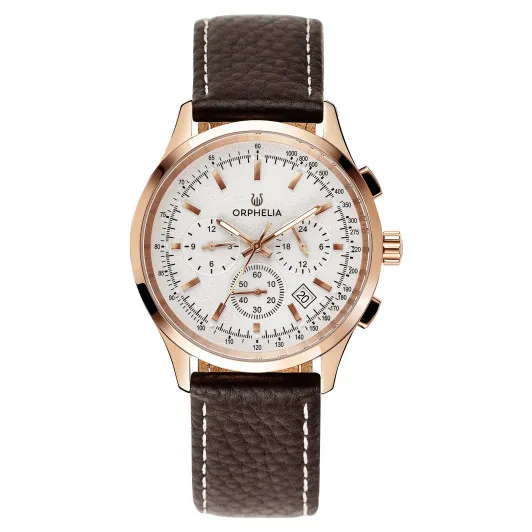
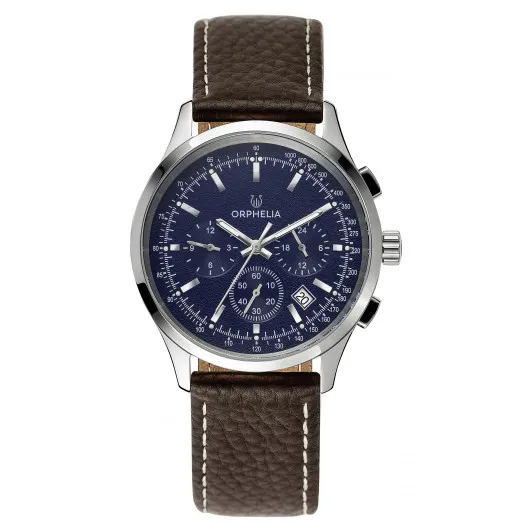
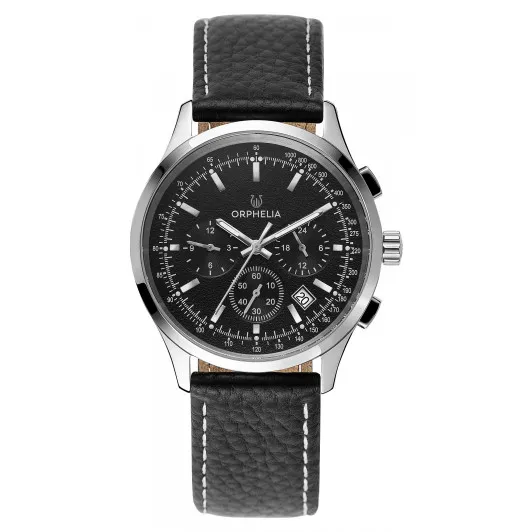
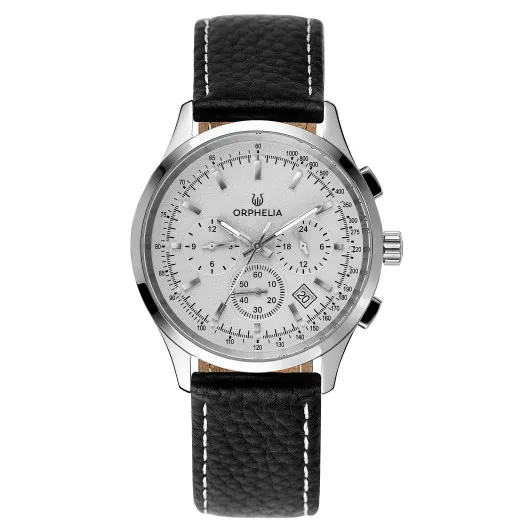
Pilot watches are built around a specific set of design principles that trace back to cockpit instruments: large, legible dials, high-contrast numerals, prominent crown guards, and cases sized to be read at a glance over a flight suit cuff. The category spans everything from entry-level field-inspired pieces to certified aviation chronographs, with brands including Citizen, Alpina, Timex, Bulova, and Tissot represented across a range running from around USD 175 to approximately USD 2,200.
What defines a Pilot watch
The defining characteristic is readability under pressure. Genuine aviation-heritage designs use matte or anti-reflective dials — typically black — with Arabic numerals large enough to be read in turbulence. The triangle at 12 o'clock, borrowed directly from cockpit instruments, is a reliable authenticity marker. Case diameters tend to run large, from 42 mm upward, partly for legibility and partly because the style originated in an era when watches were worn over thick gloves. Crown guards protect the winding crown from accidental adjustment in the field — a detail that separates purpose-built Pilot designs from watches that merely borrow the aesthetic.
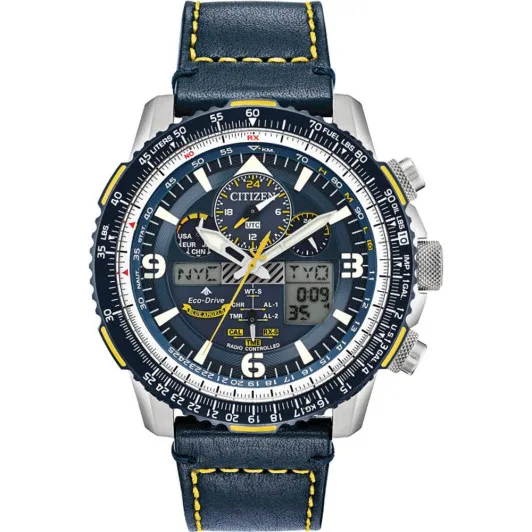
Chronograph functions are common in this category. A flyback or circular slide rule bezel (the classic 'Flieger' feature) allows pilots to calculate speed, fuel consumption, and elapsed time without stopping and restarting the timer. If you want these functions, check that the sub-dials are clearly labelled and that the pushers are sized for gloved operation. If you want the look without the complexity, a clean three-hand Pilot dial is easier to read daily and typically more affordable.
Choosing between quartz and automatic in a Pilot watch
Quartz movements dominate the practical end of the category for good reason: they keep time to within roughly 15 seconds per month without any intervention, making them genuinely useful for navigation tasks where precision matters. Solar-powered quartz — found in several Citizen Promaster models — eliminates battery changes entirely, which suits travellers. Automatic movements bring mechanical interest and heritage credibility; Alpina's Startimer line, for example, uses in-house or Swiss-sourced movements and holds COSC or brand-level timing standards. The trade-off is that an automatic may drift 5–10 seconds per day and requires periodic servicing. For a watch you intend to wear and use, quartz is the more practical choice; for a watch you want to collect or appreciate mechanically, automatic is worth the premium.
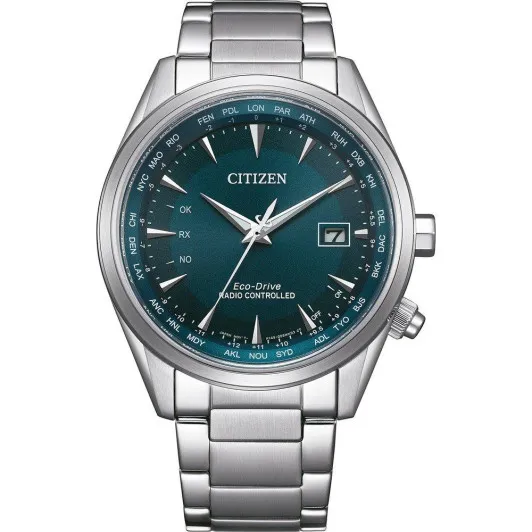
World-timer and GMT complications — which display two or more time zones simultaneously — appear at the higher end of this category and are directly relevant to frequent travellers. They add meaningful cost but remove the need to calculate time differences mentally. For Swiss Made pieces with these complications, expect to pay toward the upper end of the range.
Pilot watches in our selection
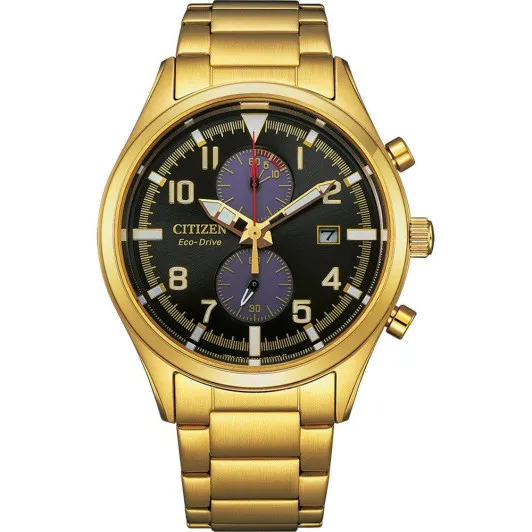
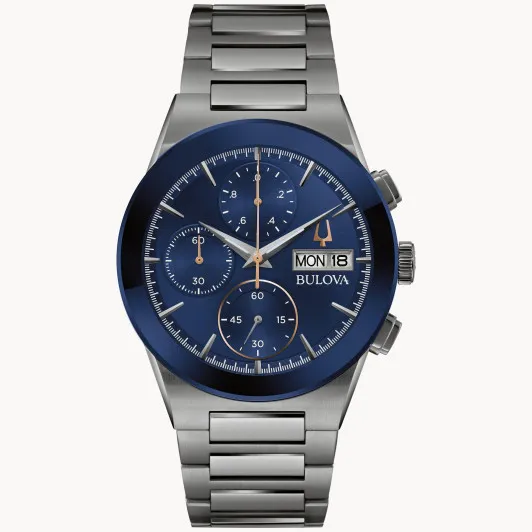
The selection covers over 30 Pilot watches, anchored by brands with genuine aviation credentials alongside accessible interpretations of the style. Alpina, a Swiss manufacture with a long history supplying military aviation, sits at the upper end. Citizen contributes solar-powered and radio-controlled pieces from its Promaster Air line. Bulova brings its Archive Series, which includes pieces with documented connections to actual space missions. At the more accessible end, Timex offers field-adjacent designs that carry the core visual language without the complication premium. If you are comparing styles, the Military and Sport categories share some DNA with Pilot but differ in their functional priorities.
Is a Pilot watch suitable for everyday wear?
Yes — the oversized case and bold dial that make Pilot watches readable in a cockpit also make them easy to read on a wrist in any light condition. The style pairs naturally with casual and smart-casual dress, and the robust construction typical of the category means water resistance of at least 50 m is standard on most pieces. The main practical consideration is case size: a 44–46 mm case with a domed crystal can feel substantial on a smaller wrist, so it is worth checking lug-to-lug measurements, not just diameter, before buying.