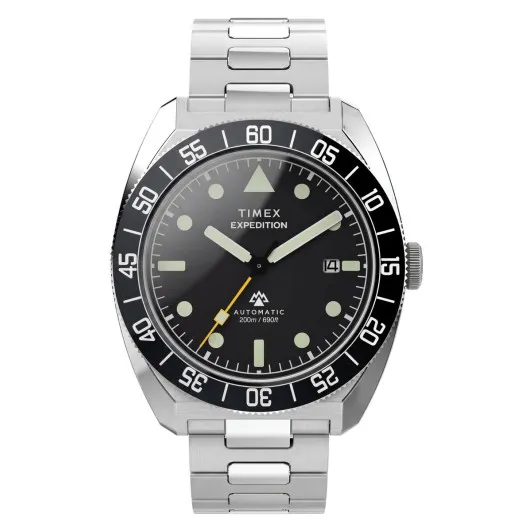
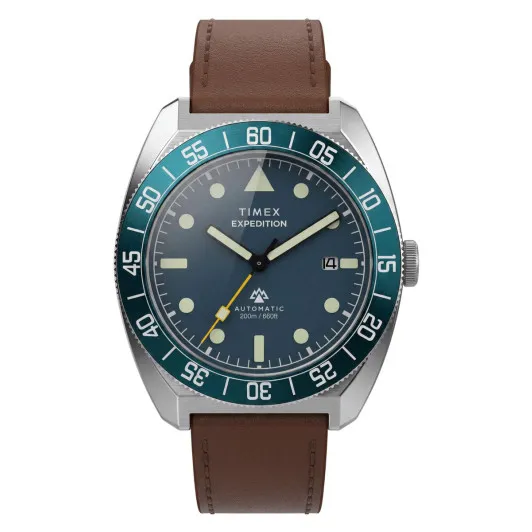
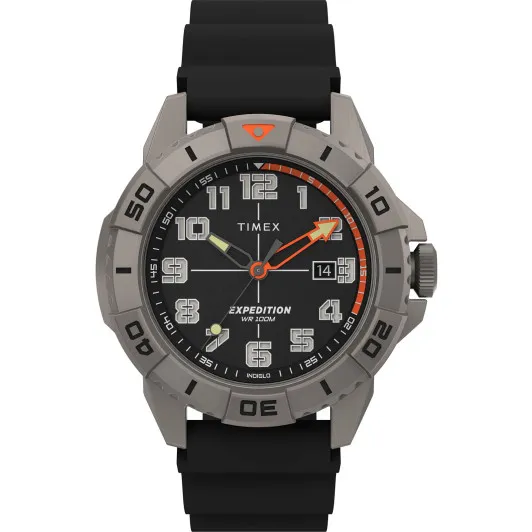
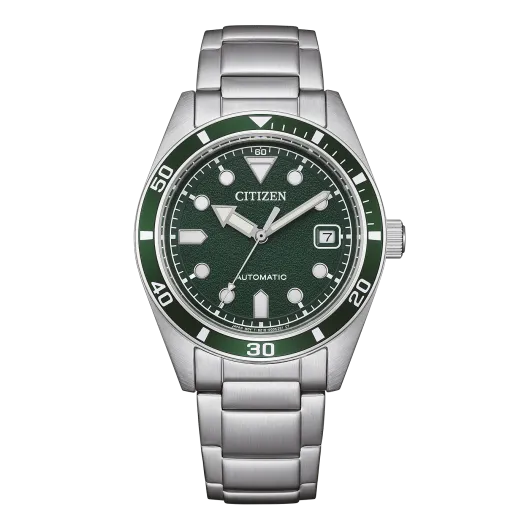
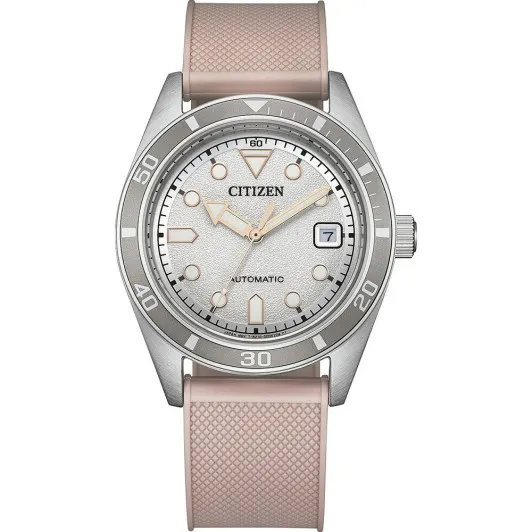
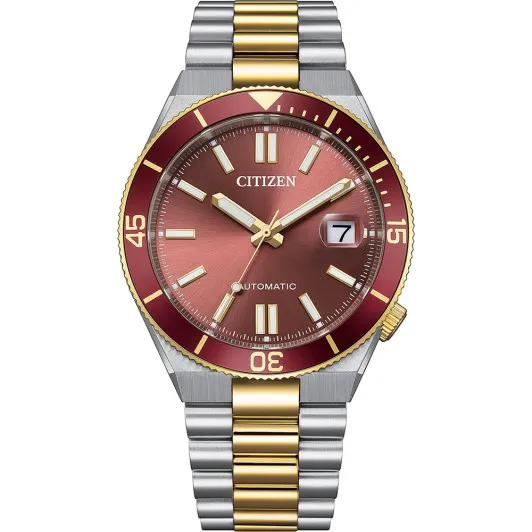
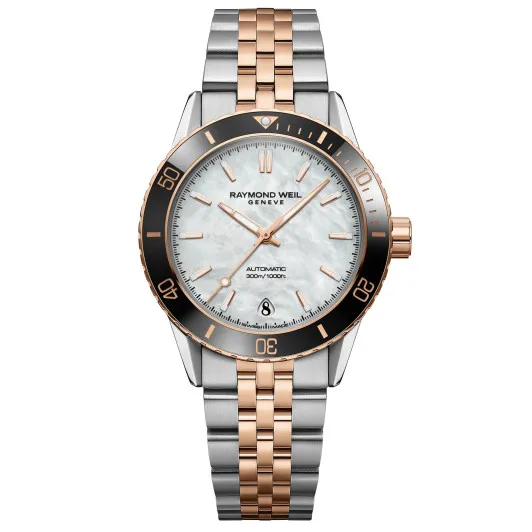
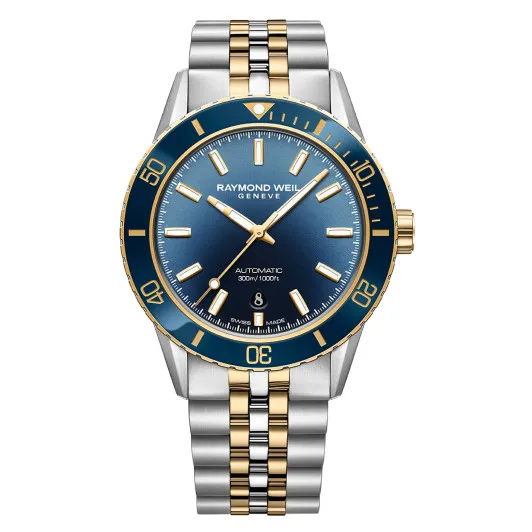
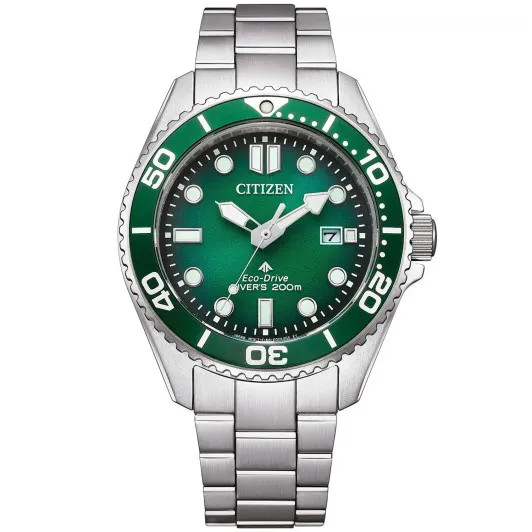
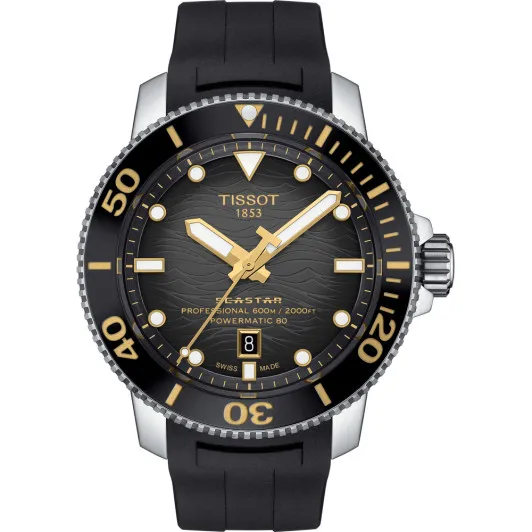
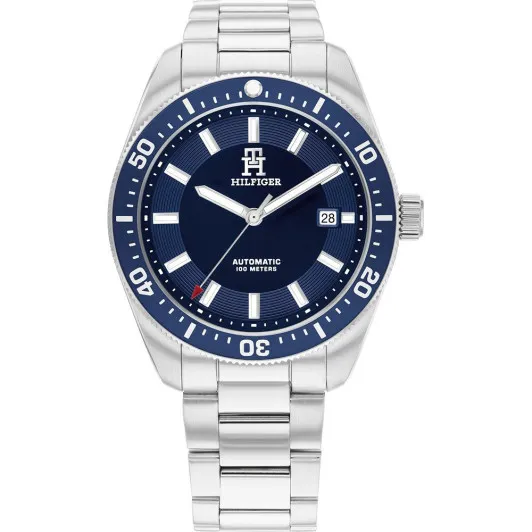
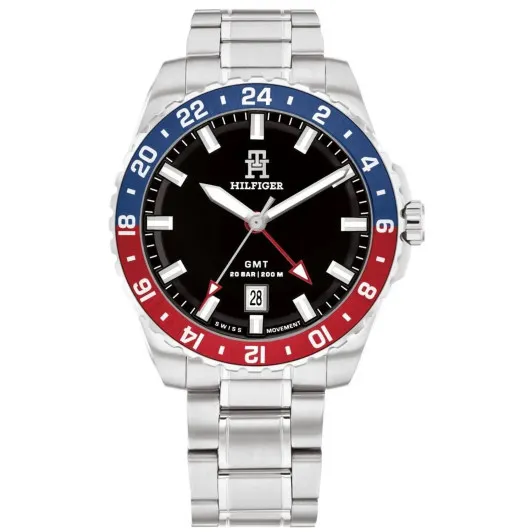
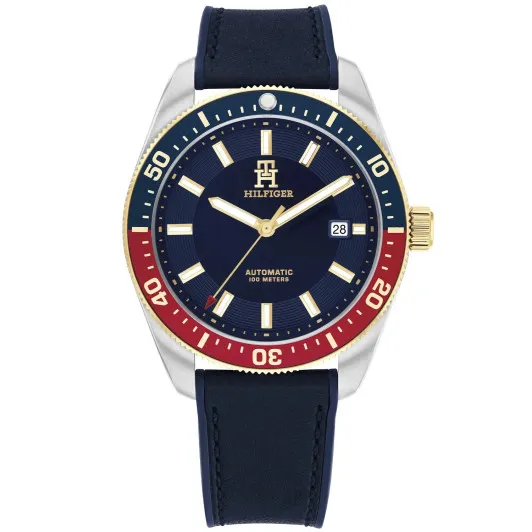
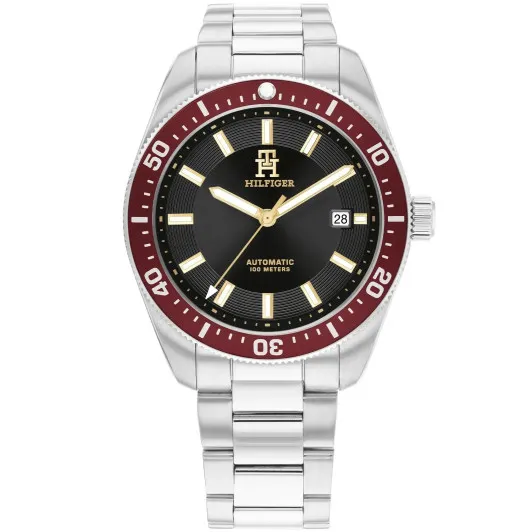
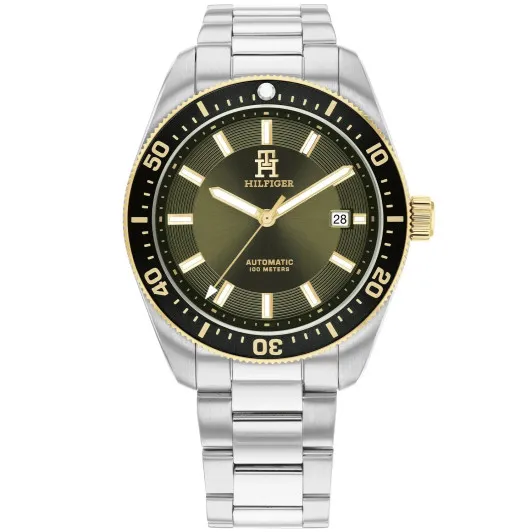
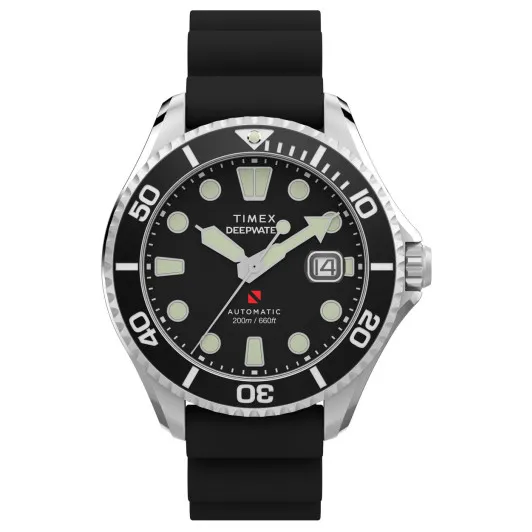
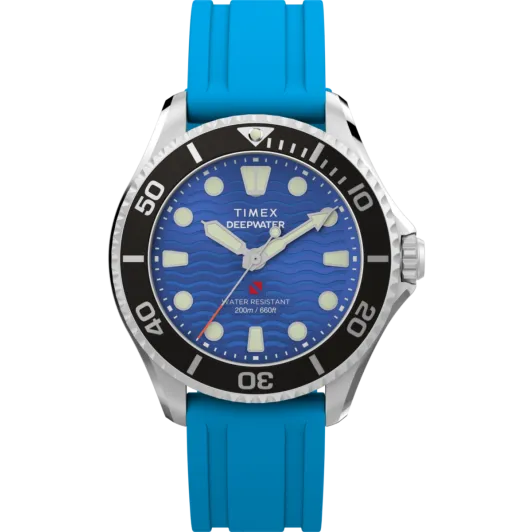
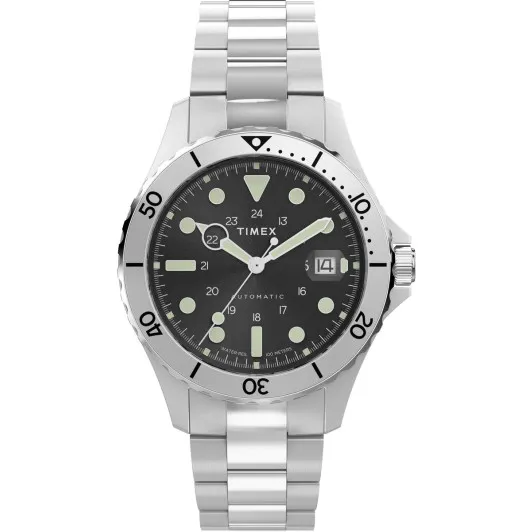
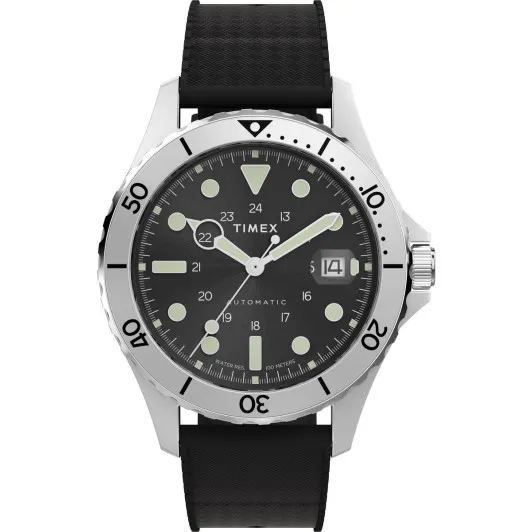
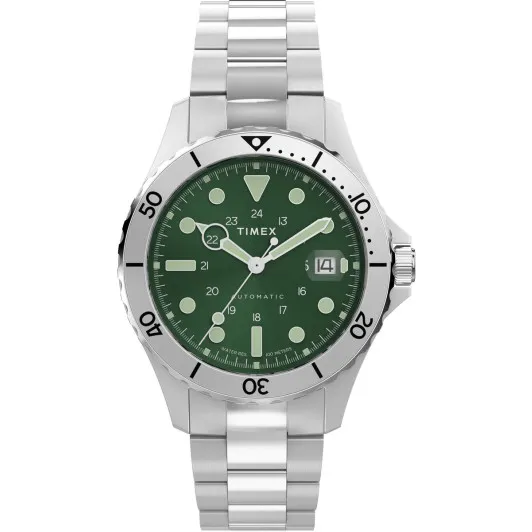
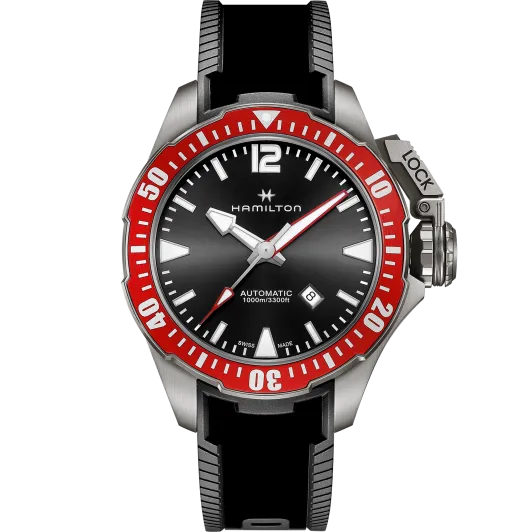
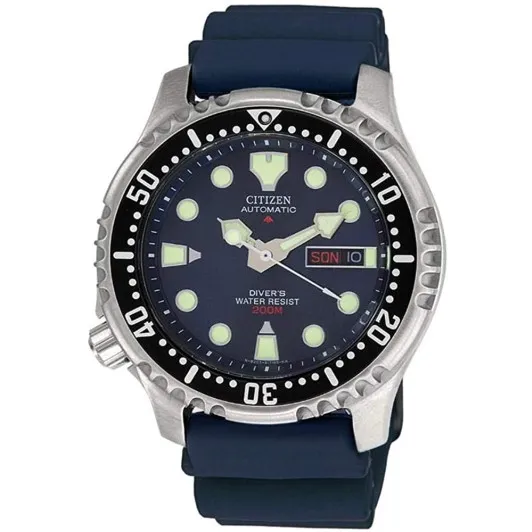
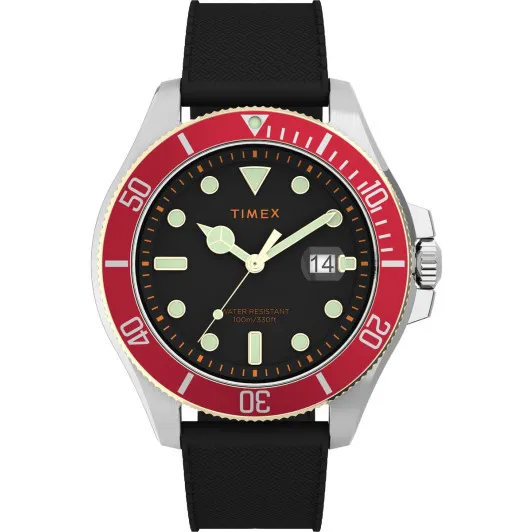
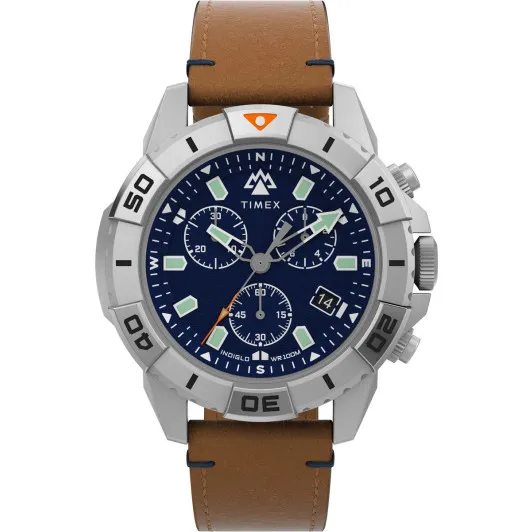
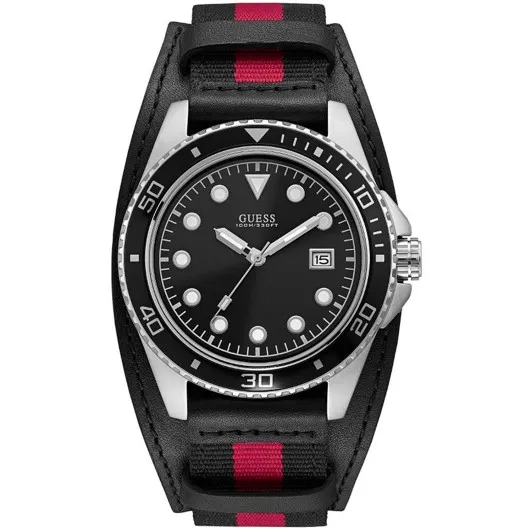
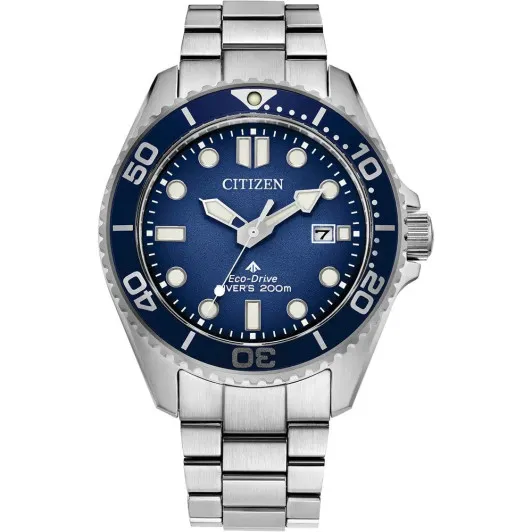
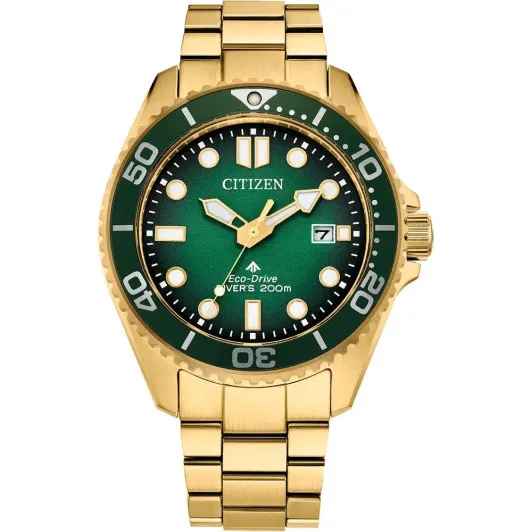
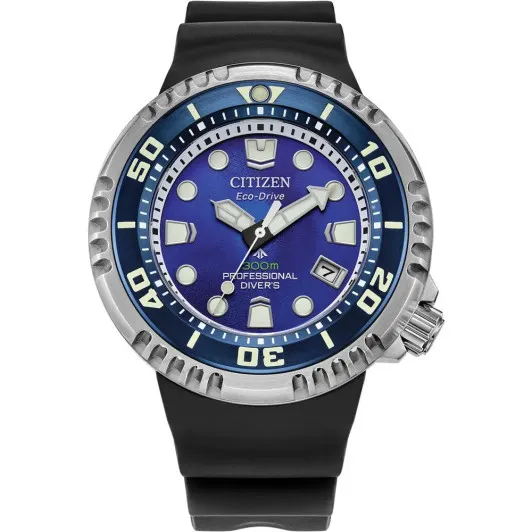
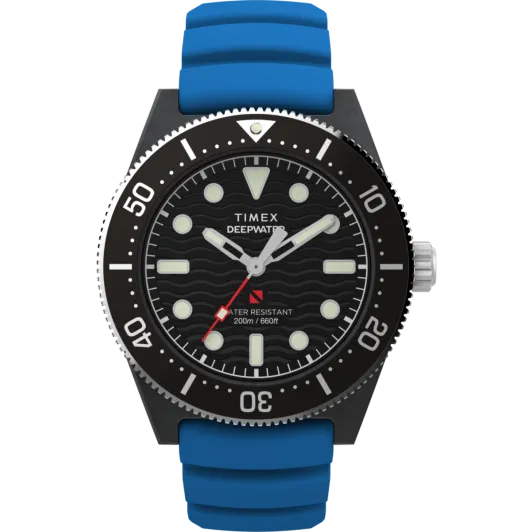
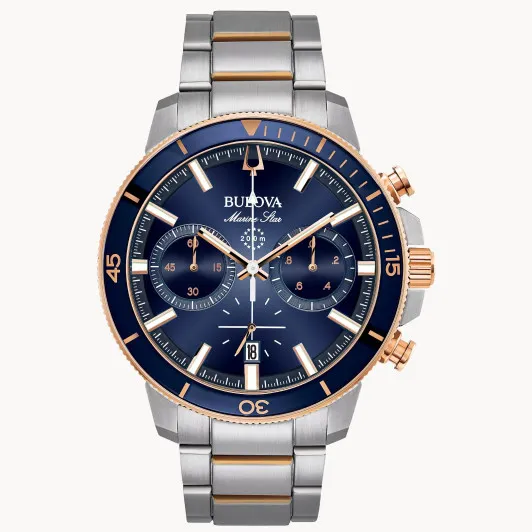
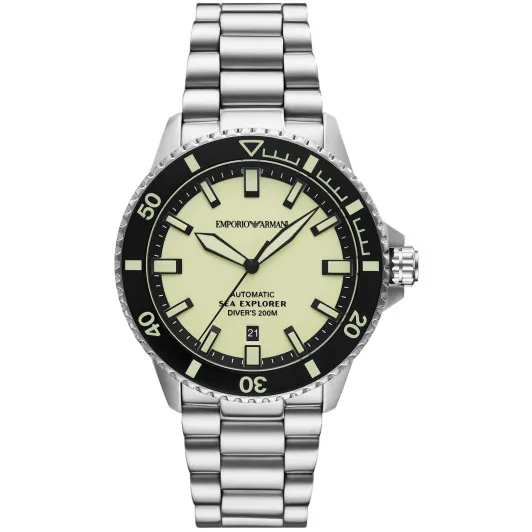
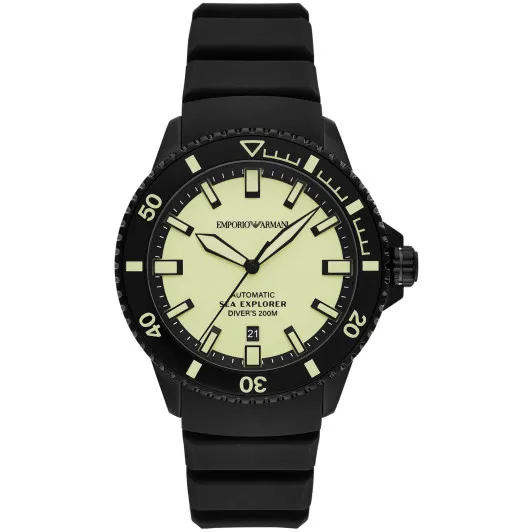
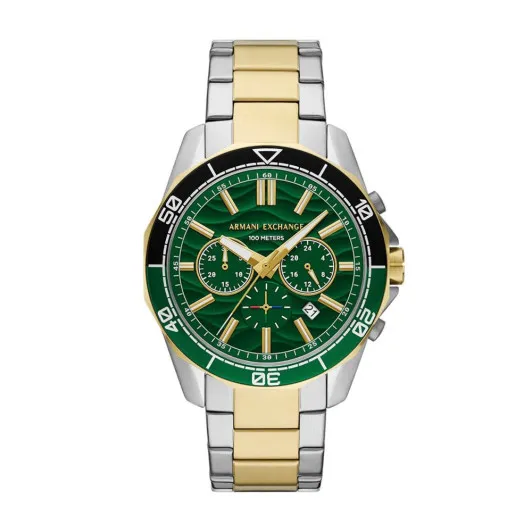
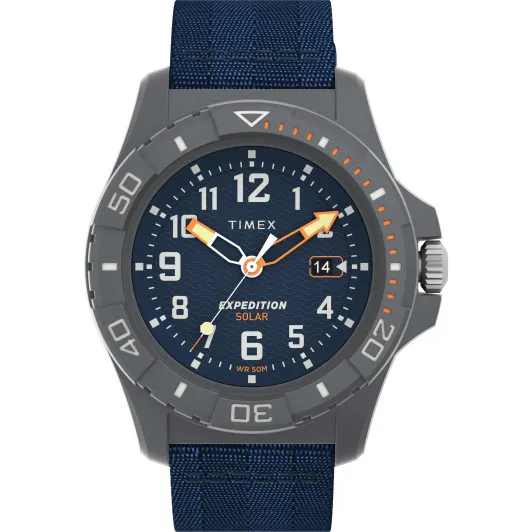
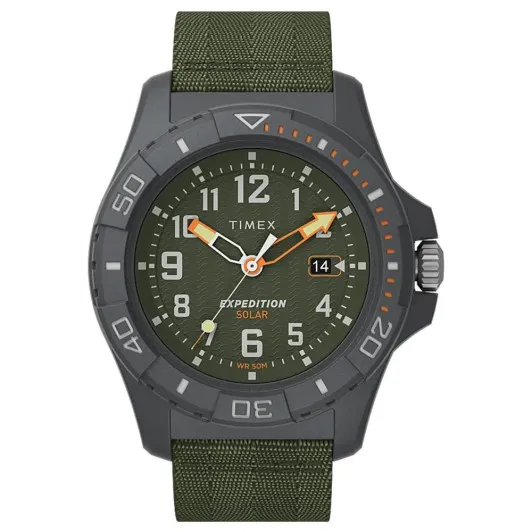
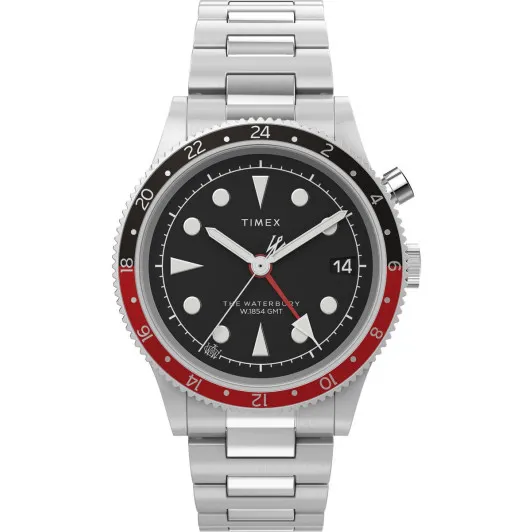
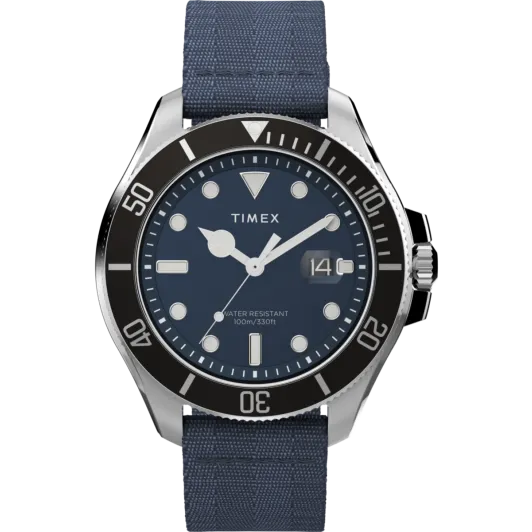
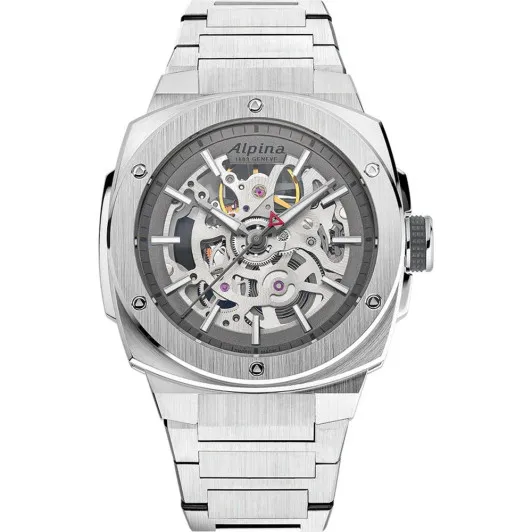
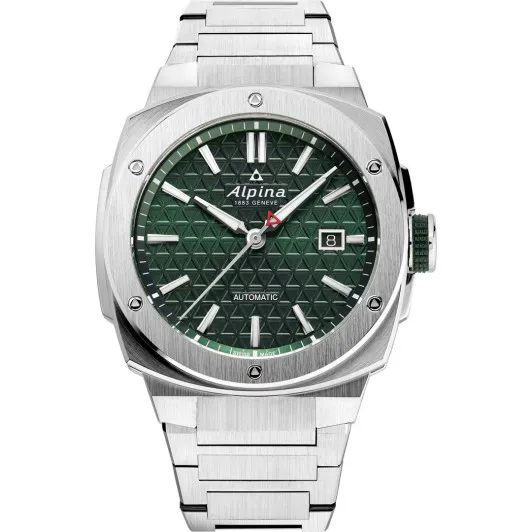
Dive watches are purpose-built for underwater use, defined by a rotating bezel for tracking elapsed dive time, screw-down crowns that seal the case against water ingress, and water resistance rated to at least 200 metres — the minimum most divers and standards bodies consider genuinely dive-capable. The category here spans from accessible automatic and quartz models around USD 150 up to Swiss-made mechanical pieces approaching USD 3,500, with brands including Timex, Citizen, Bulova, Raymond Weil, Alpina, Armani Exchange, Emporio Armani, and Tommy Hilfiger.
Water resistance ratings: what the numbers actually mean
A rating of 200 m (20 ATM) is the accepted entry point for recreational scuba diving. Watches rated to 100 m are suitable for snorkelling and surface swimming but not for pressurised descent. Ratings above 300 m — often called professional or saturation dive ratings — are built for technical diving and use thicker crystals, helium escape valves, and heavier case constructions. For everyday wear with occasional swimming, 100 m is adequate; for anyone who dives regularly, 200 m or above is the practical choice.
Movement, bezel, and case: the three decisions that matter
Most Dive watches run on either automatic (self-winding mechanical) or quartz movements. Automatic movements suit buyers who value the craft of a mechanical calibre and do not mind a margin of a few seconds per day; quartz movements keep tighter time and need no winding. The bezel is as important as the movement: a unidirectional rotating bezel can only turn counter-clockwise, so any accidental knock shortens rather than extends the apparent elapsed time — a safety standard across serious dive watches. Case size typically falls between 42 mm and 46 mm for men's models, giving enough dial real estate for legible luminous indices at depth; women's dive-oriented models tend to run 36–40 mm. Stainless steel remains the dominant case material for its corrosion resistance in salt water, though ceramic bezels resist scratching better than aluminium over time.
Choosing within the range
At the entry tier, quartz Dive watches from Timex and the fashion-adjacent Armani Exchange and Emporio Armani lines deliver the aesthetic — rotating bezel, bold case, lume indices — at prices that make them accessible daily wearers. Mid-range automatic models from Citizen and Bulova bring genuine mechanical movements with solid water resistance credentials. At the upper end, Swiss-made pieces from Raymond Weil and Alpina combine certified movements with higher-grade finishing; for that tier, also consider browsing Swiss Made watches and luxury watches for additional context on what the Swiss Made designation guarantees. If you are comparing Dive against other active styles, sport watches cover GPS, heart-rate, and multi-sport functions that a traditional Dive watch does not.
Is a dive watch practical as an everyday watch?
Yes — and many buyers choose them precisely for that reason. The screw-down crown and robust case construction make dive watches among the most durable dress-adjacent styles available. The thicker case (typically 12–15 mm lug-to-lug depth) means they sit higher on the wrist than a dress watch, which suits casual and smart-casual contexts well. The luminous dial that aids underwater legibility is equally useful in low-light everyday settings.