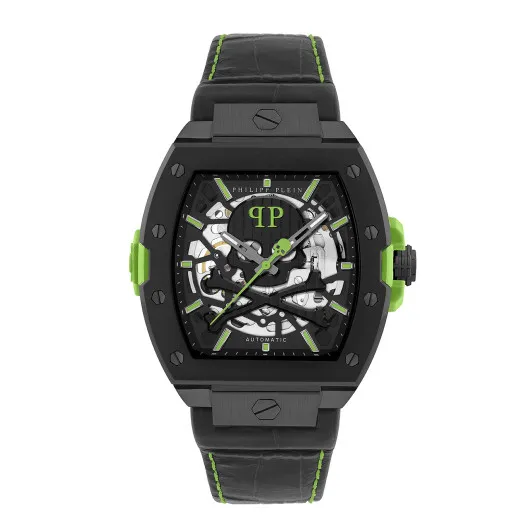
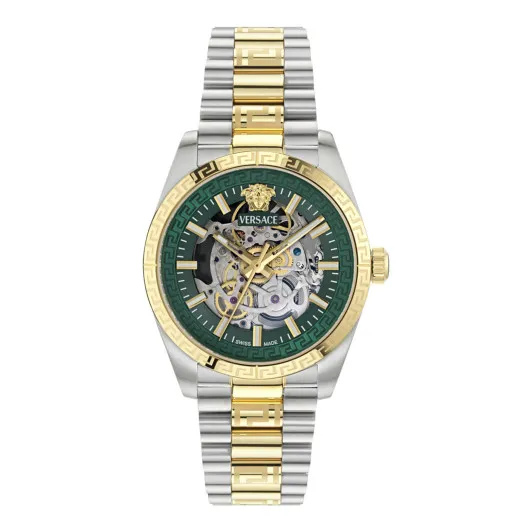
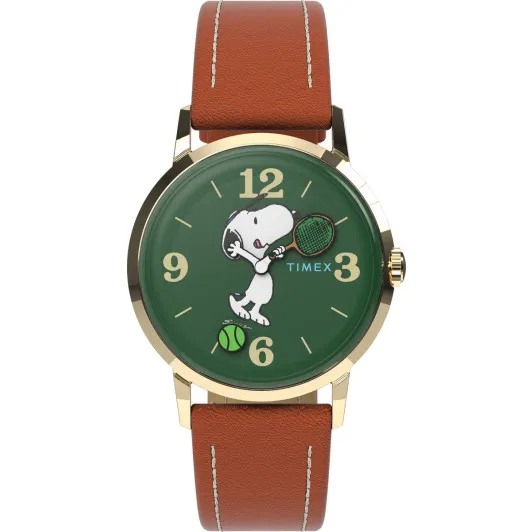
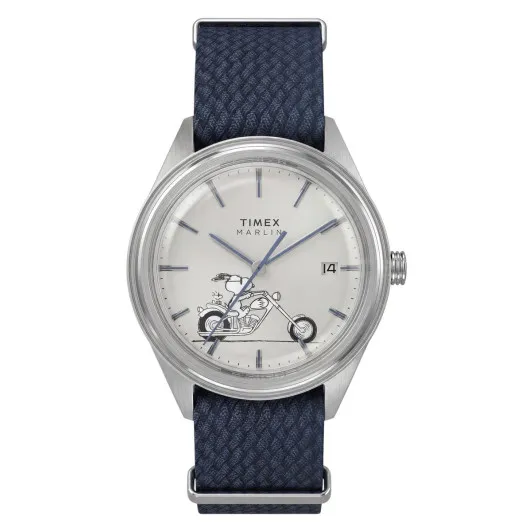
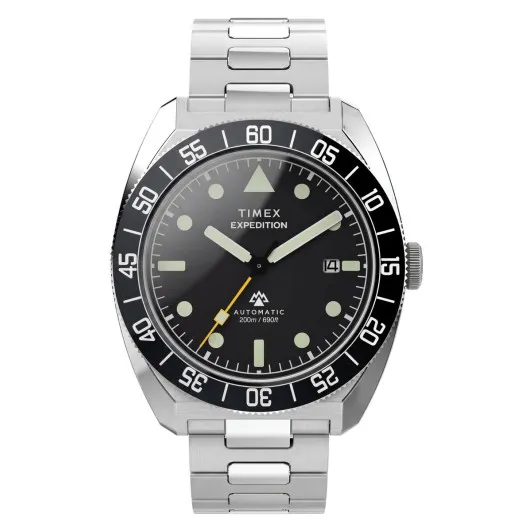
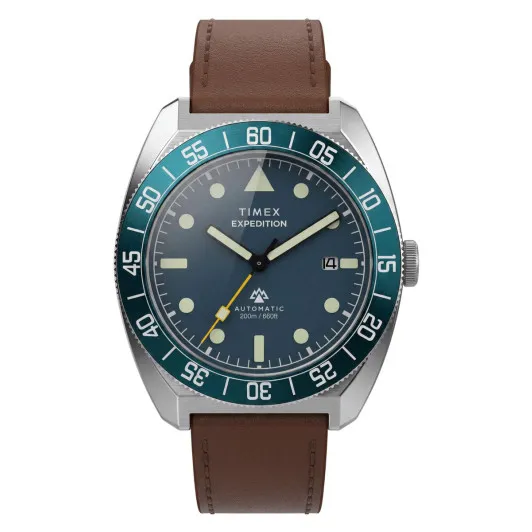
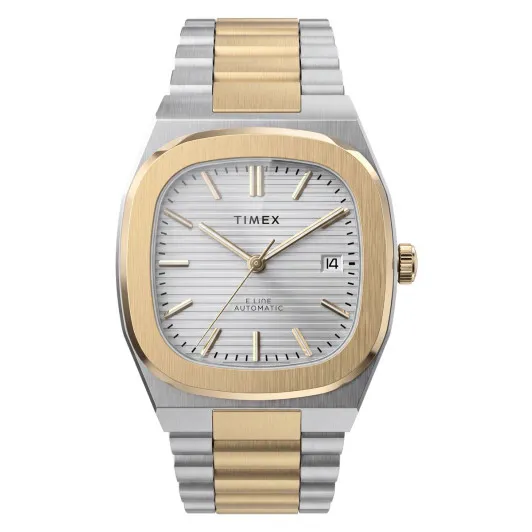
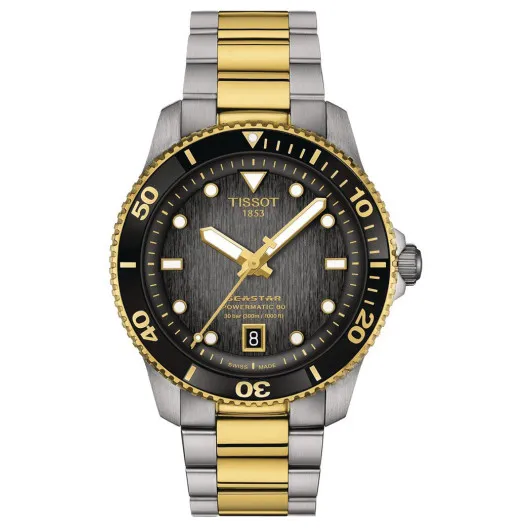
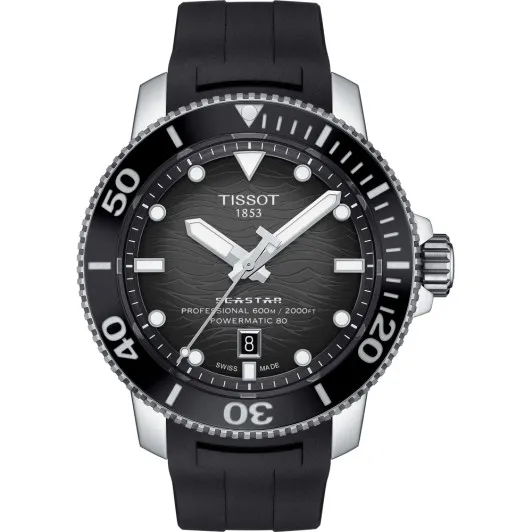
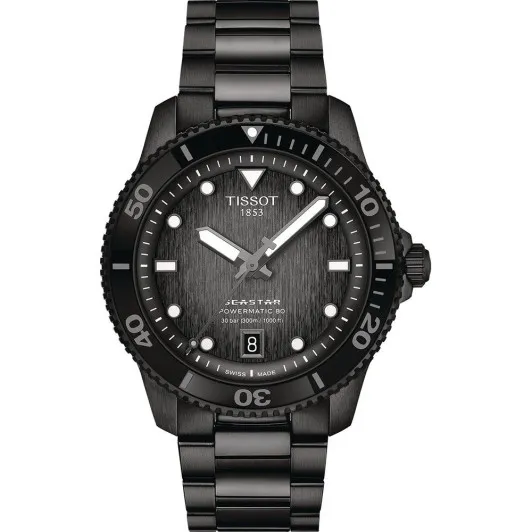
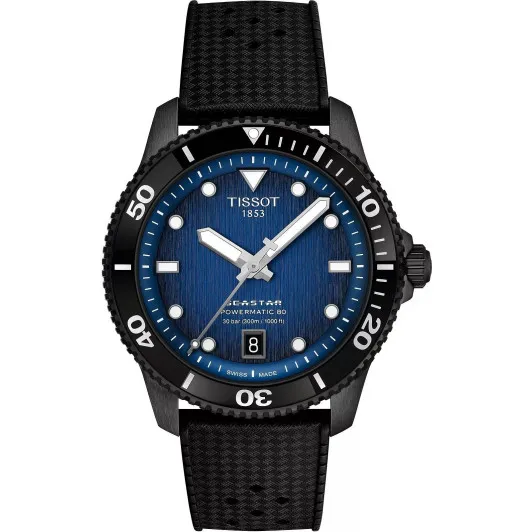
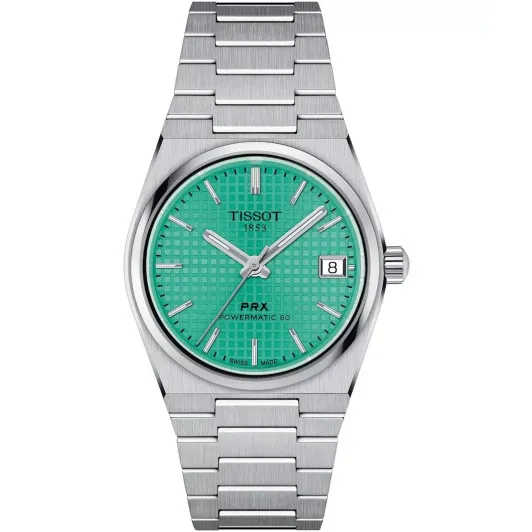
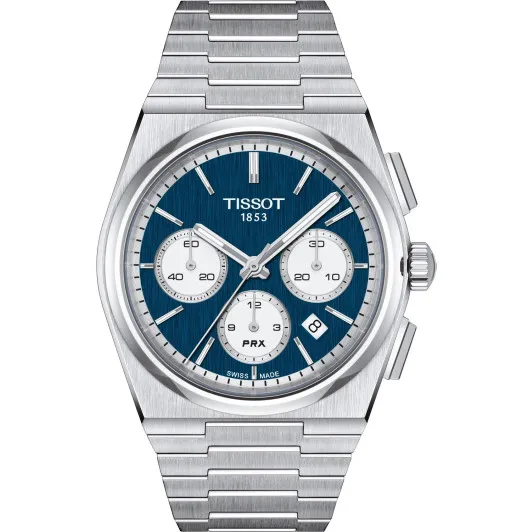
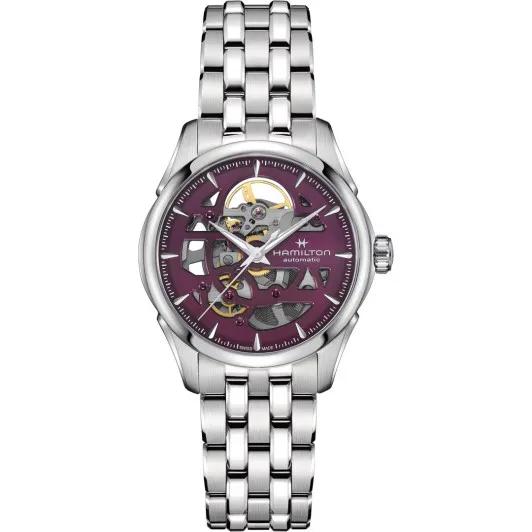
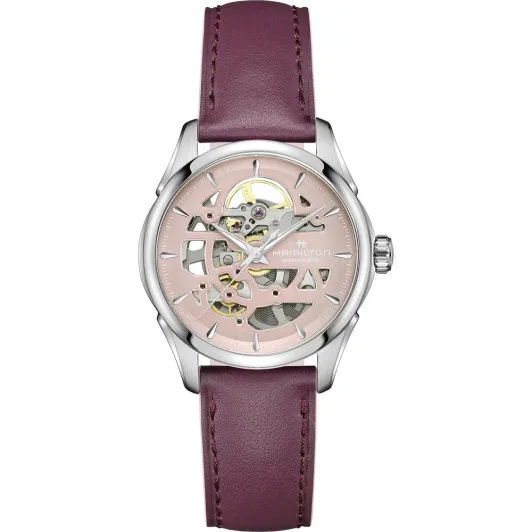
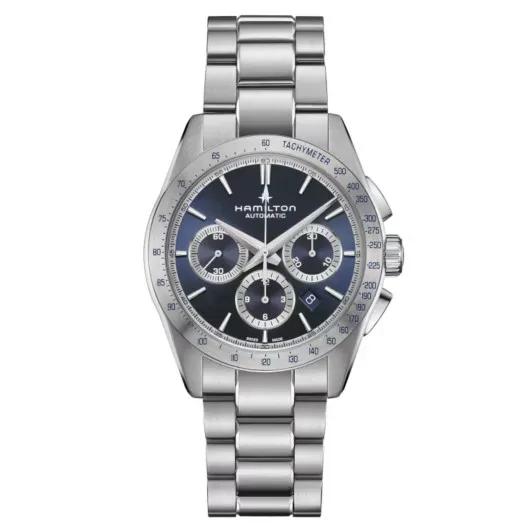
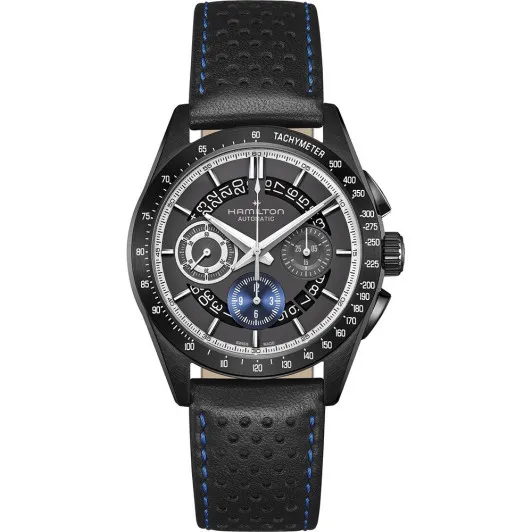
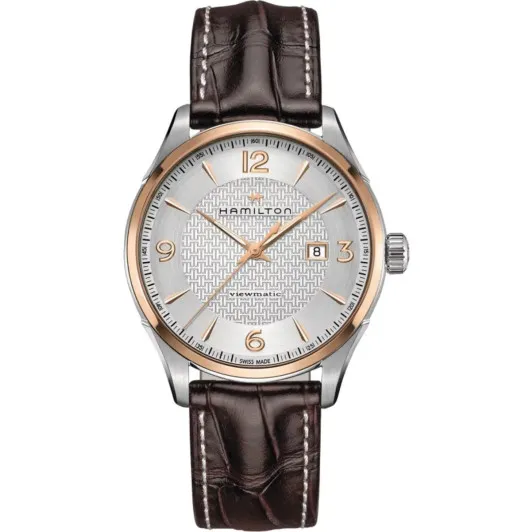
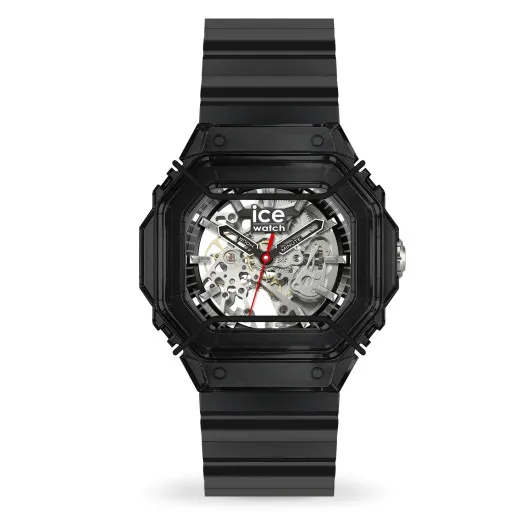
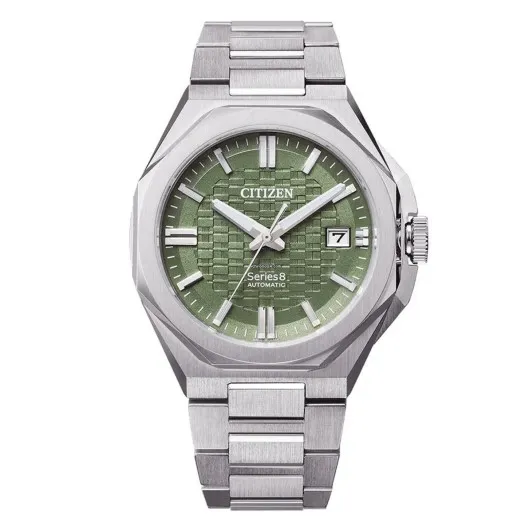
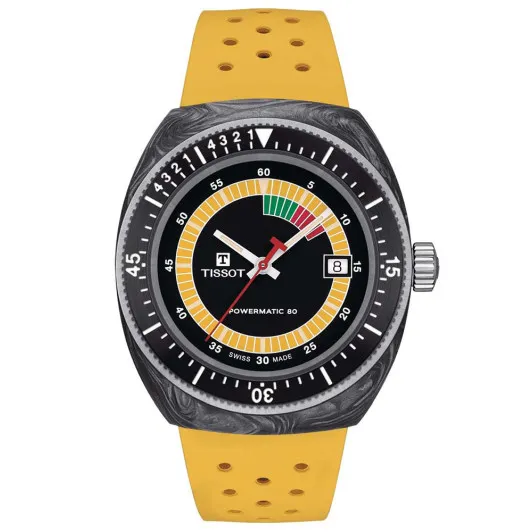
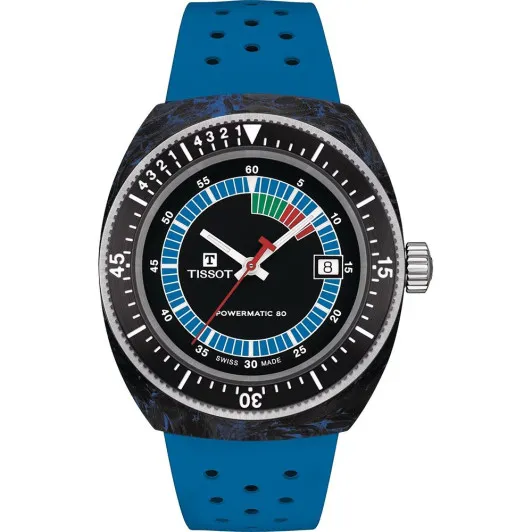
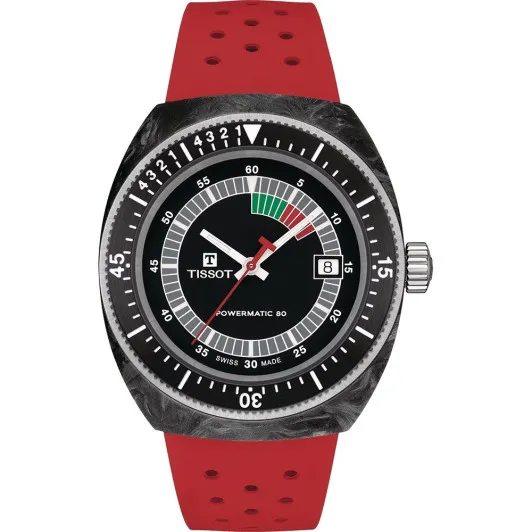
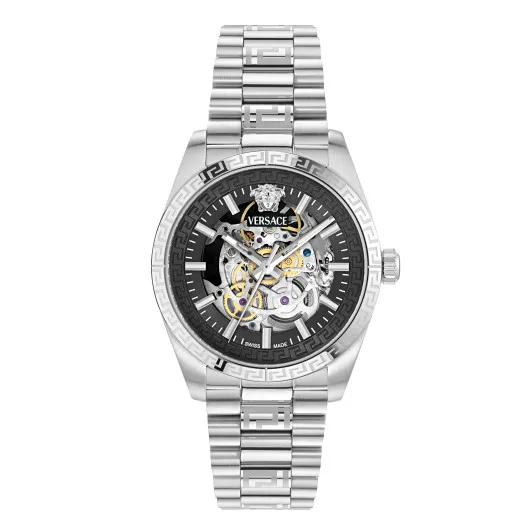
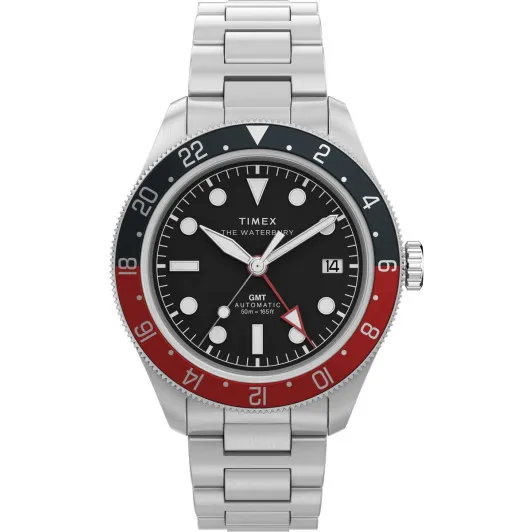
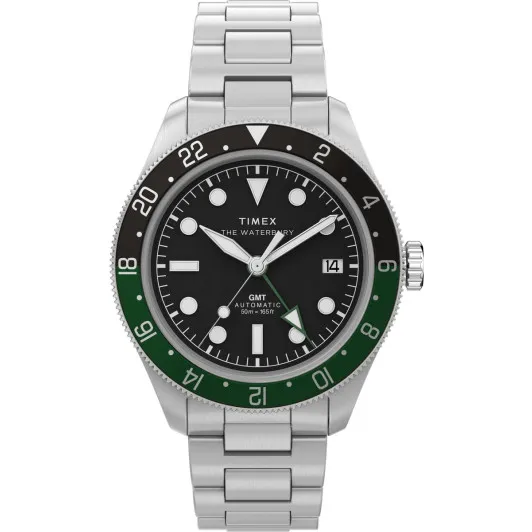
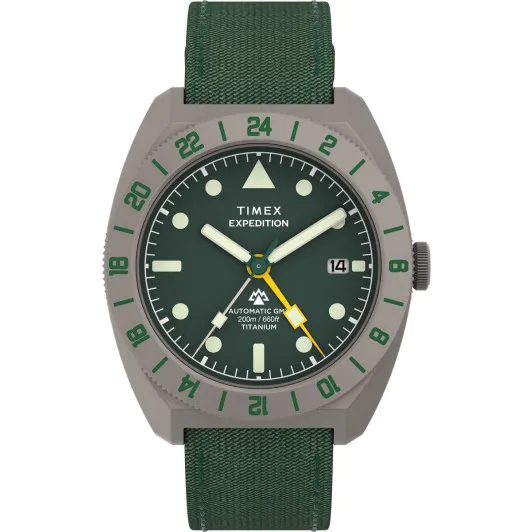
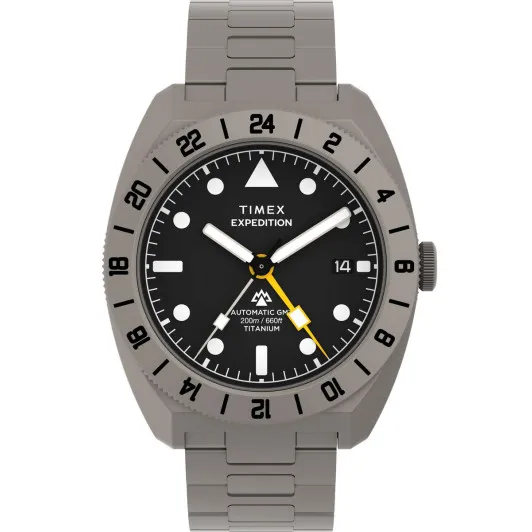
Mechanical watches run entirely without a battery, powered instead by the stored energy of a wound mainspring — and that single fact shapes everything about how they look, feel, and age. With over 250 pieces from brands including Tissot, Seiko, Raymond Weil, Citizen, and Versace, the selection spans from around £275 to approximately £4,000.
Automatic or hand-wound: the first decision in mechanical
All mechanical watches divide into two types. An automatic (or self-winding) movement uses a rotor that spins with the motion of your wrist, continuously winding the mainspring during normal wear. Wear the watch daily and it rarely needs attention. A hand-wound movement has no rotor — you wind the crown yourself, typically once a day or every two days. Hand-wound calibres tend to be thinner, since there is no rotor to accommodate, which suits dress watches where case depth matters. If you wear the watch consistently, an automatic is the more practical choice; if you enjoy the ritual or want a slimmer profile, hand-wound is worth considering.
Reading the specifications that actually matter
Power reserve tells you how long the watch runs from a full wind without further movement or manual winding — most automatics offer between 38 and 80 hours, though some modern calibres, such as Tissot's Powermatic 80, extend this to 80 hours, which means a watch left on the nightstand over a weekend will still be running Monday morning. Beats per hour (vph) indicates how many times the balance wheel oscillates each second: 28,800 vph (8 beats per second) is common in modern automatics and produces a smoother sweep of the seconds hand than older 18,000 vph movements. Neither figure makes a watch better or worse in daily use, but both affect service intervals and the visual character of the dial.
Case diameter and thickness are worth checking before you buy. Mechanical movements, particularly with a rotor, add depth to a case — many automatics sit between 11 mm and 14 mm thick. If you wear your watch under a shirt cuff, keep that in mind. Diameter conventions have shifted: 40–42 mm is the current mainstream for men's mechanicals, while 36–38 mm suits a slimmer wrist or a more classic proportion. For women's mechanical watches, 28–34 mm is the traditional range, though unisex sizing at 36–38 mm is increasingly common.
Mechanical watches in our selection
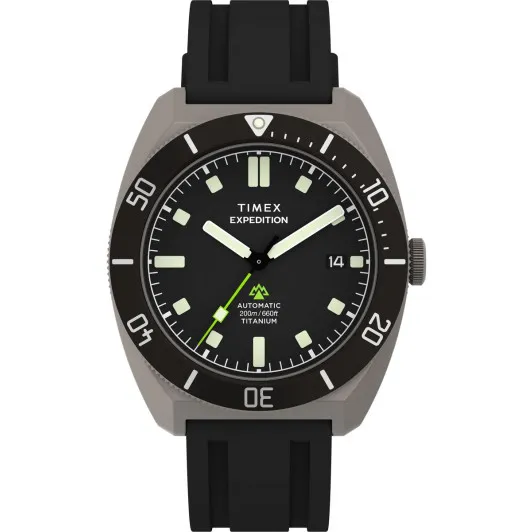
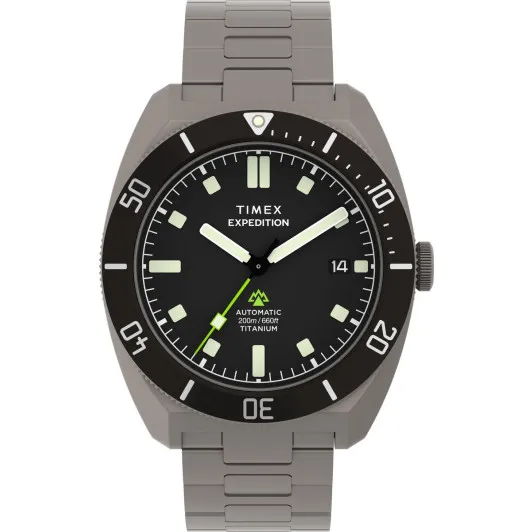
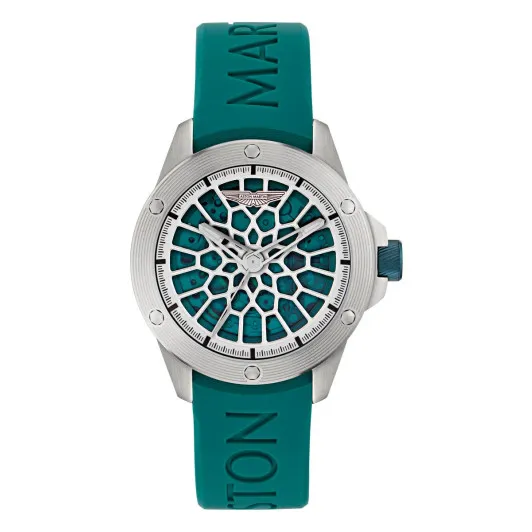
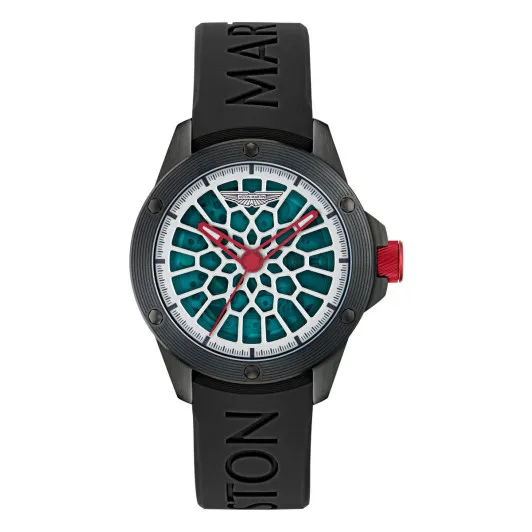
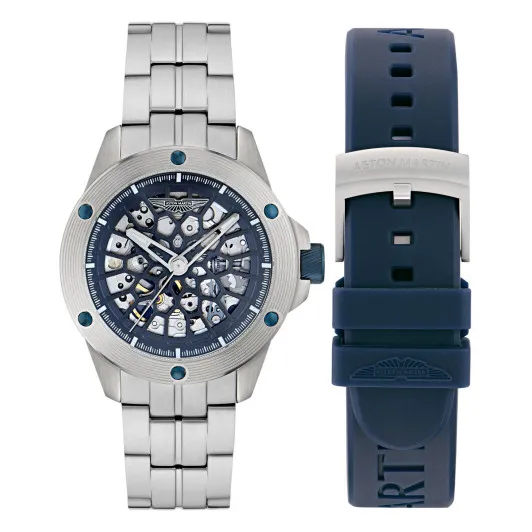
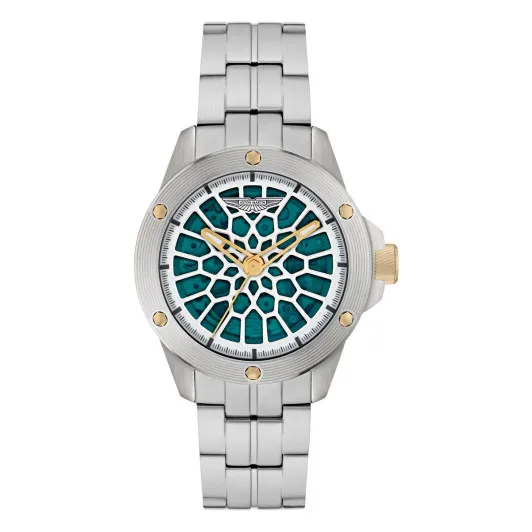
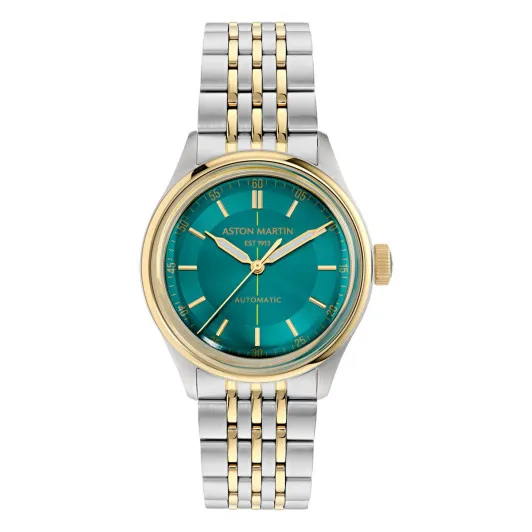
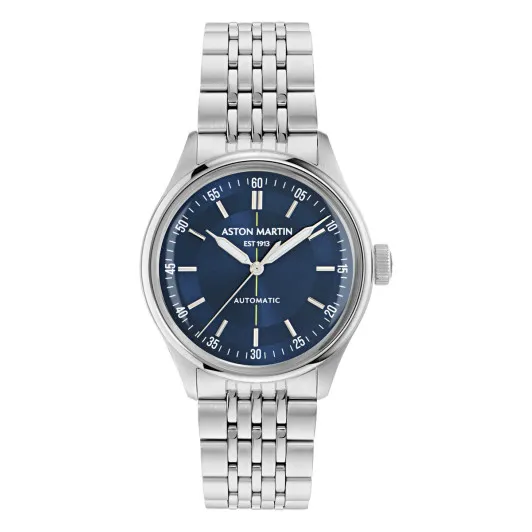
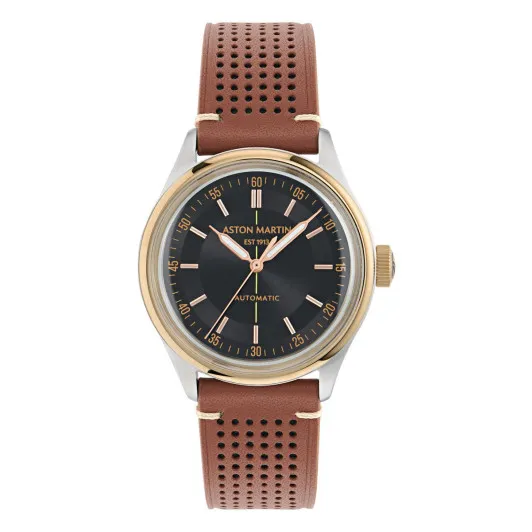
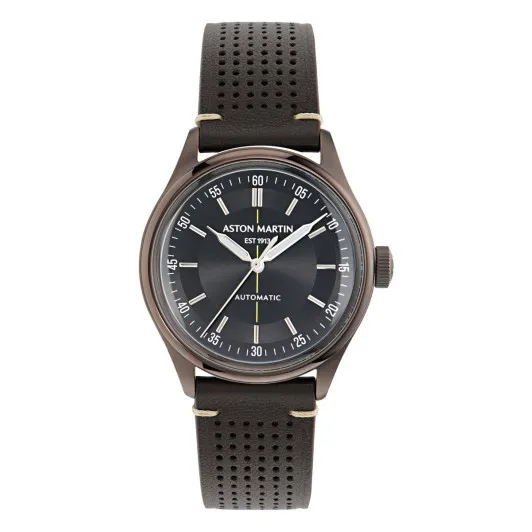
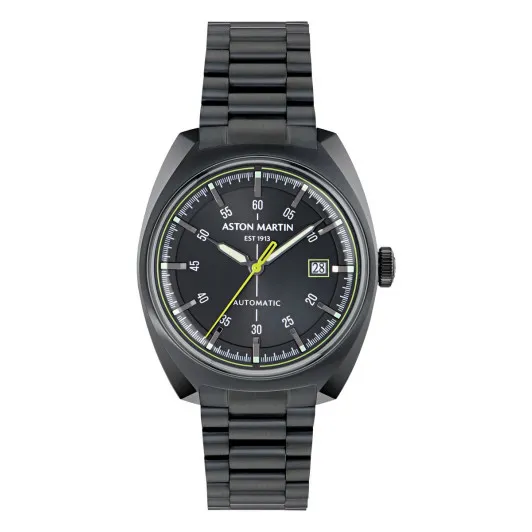
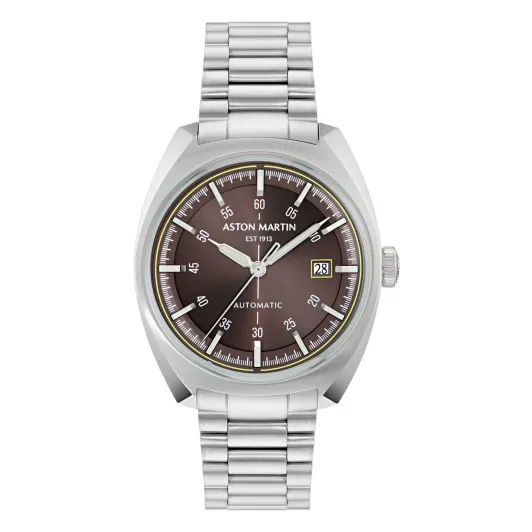
The range covers entry-level automatics from Timex and Citizen through mid-range Swiss-movement pieces from Tissot and Raymond Weil, up to design-led options from Philipp Plein and Aston Martin. For pieces with Swiss-certified movements, the Swiss Made category is a useful filter — Swiss Made status requires that the movement is both made and cased in Switzerland, a standard that Tissot and Raymond Weil consistently meet. If you are comparing mechanical against battery-powered options, the quartz and solar categories offer a direct contrast in how each technology works in practice.
Are mechanical watches accurate?
A well-regulated mechanical movement typically keeps time to within ±10–15 seconds per day — noticeably less precise than a quartz movement, which loses or gains only a few seconds per month. COSC-certified chronometer movements are held to ±4 seconds per day, and some brands regulate their movements beyond that standard. For most wearers the small daily variance is irrelevant; for those who need precise timekeeping above all else, quartz remains the more practical choice. The appeal of mechanical is the engineering itself: every tick is produced by a chain of physical components, not a circuit.