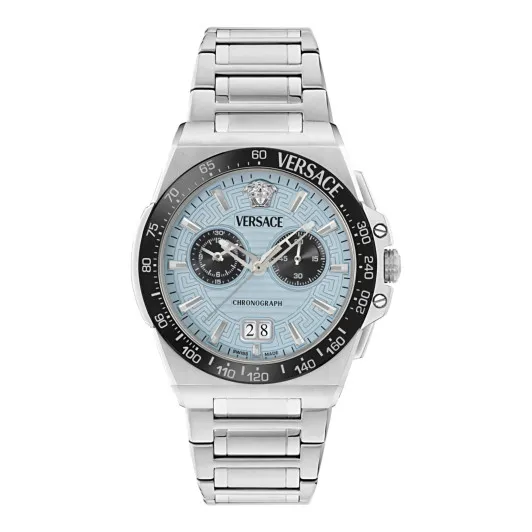
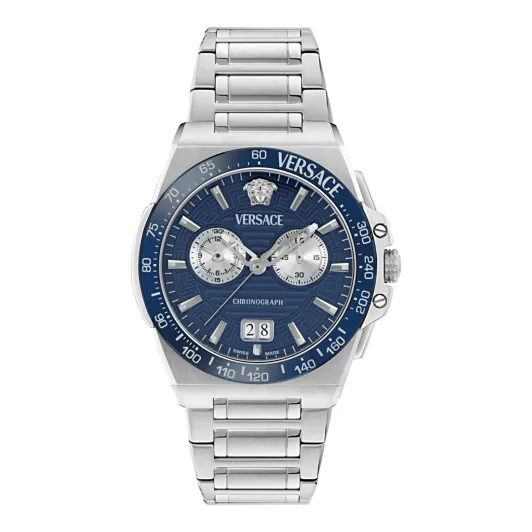
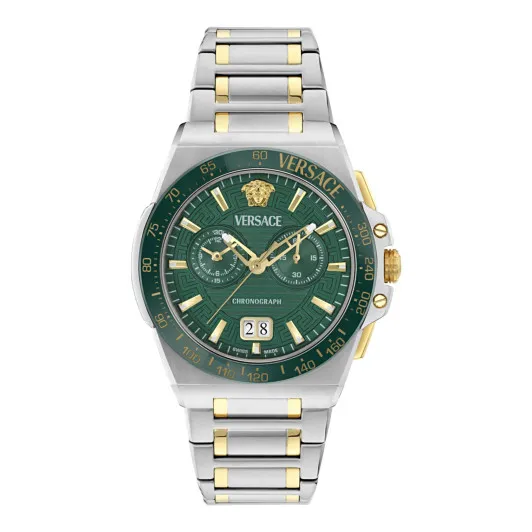
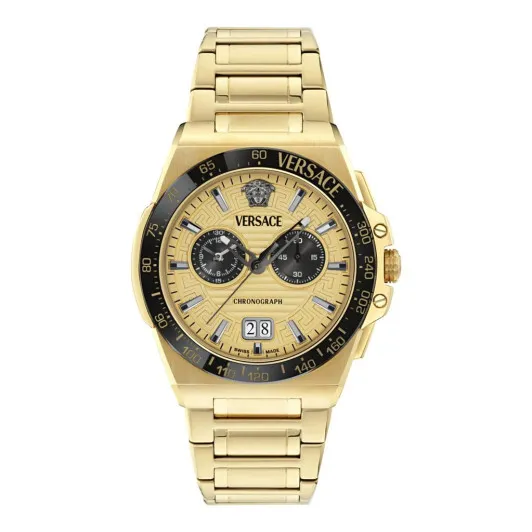
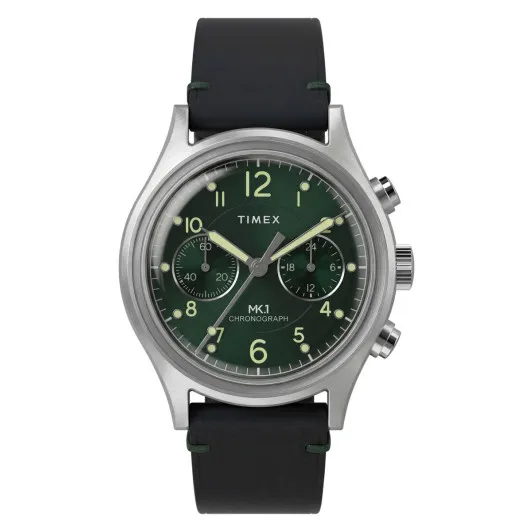
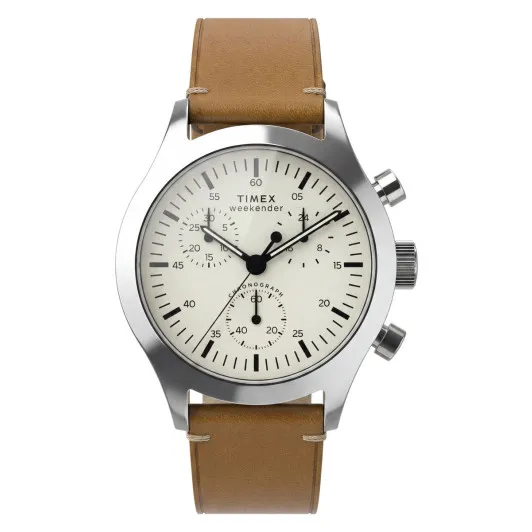
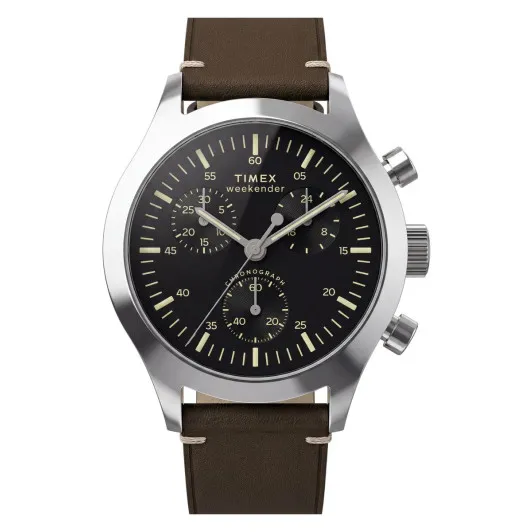
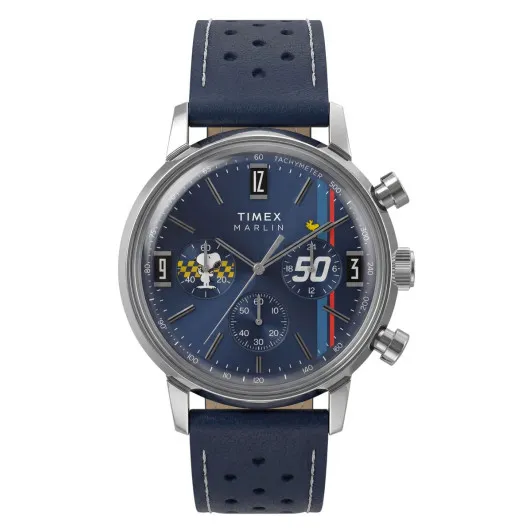
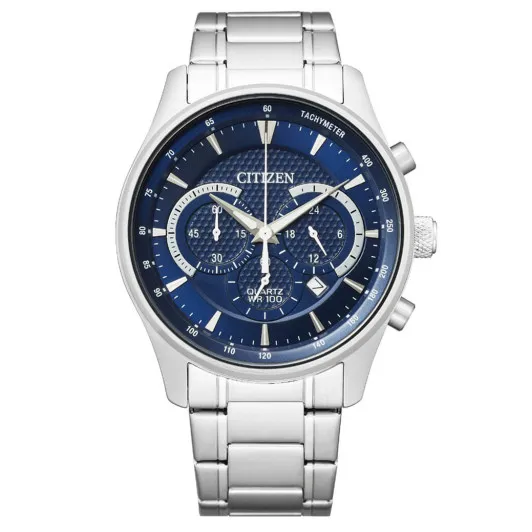
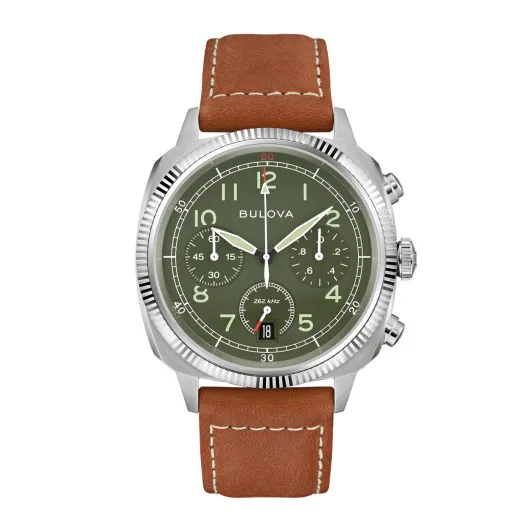
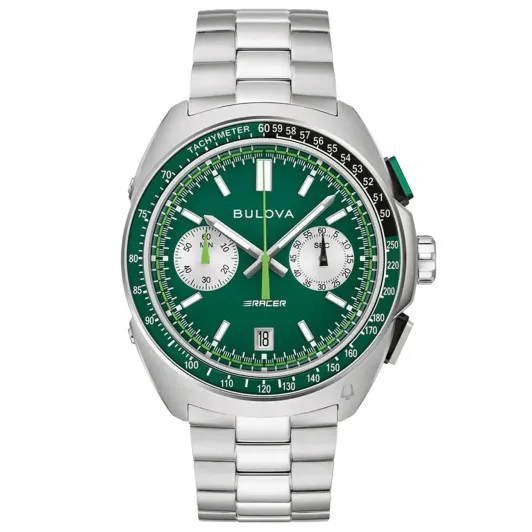
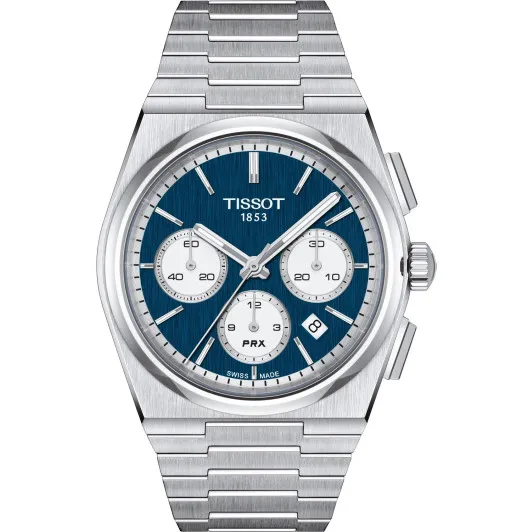
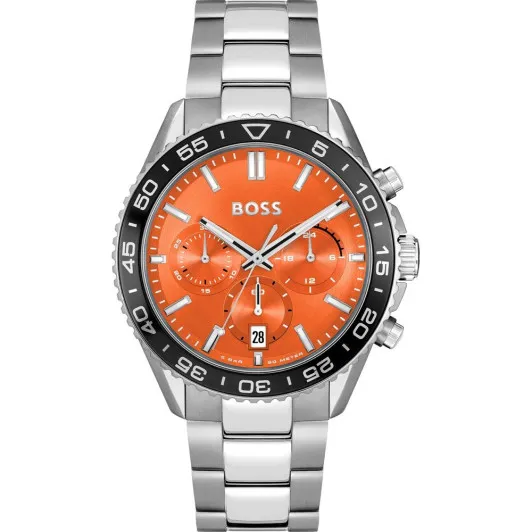
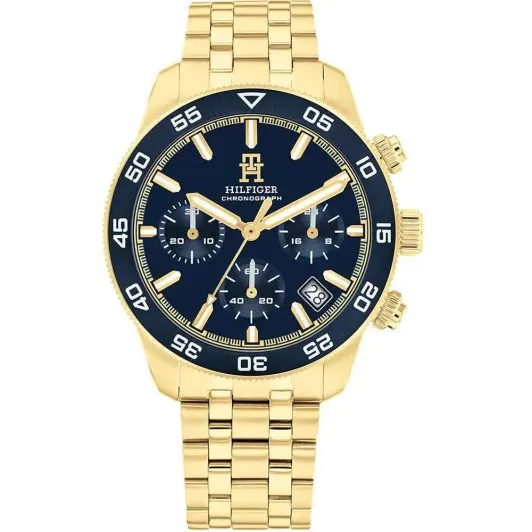
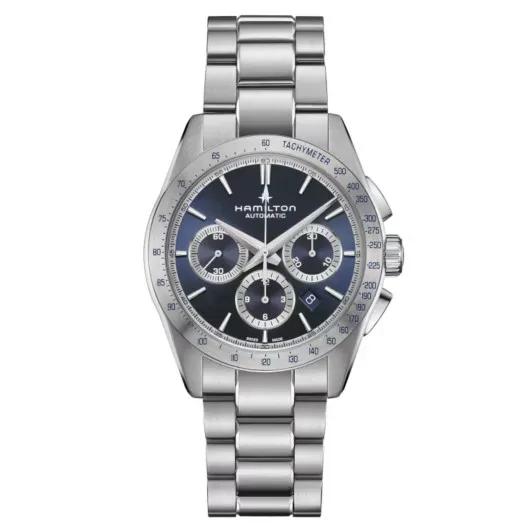
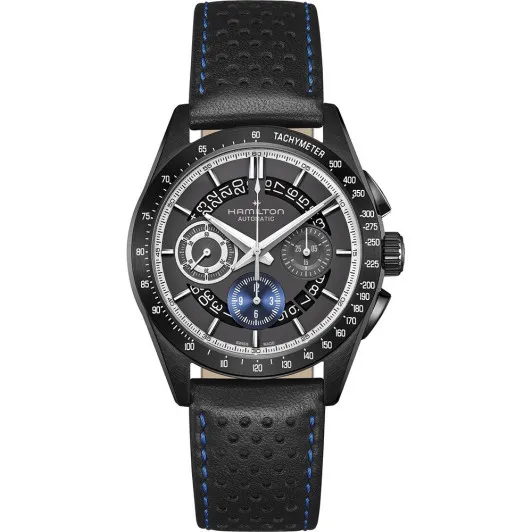
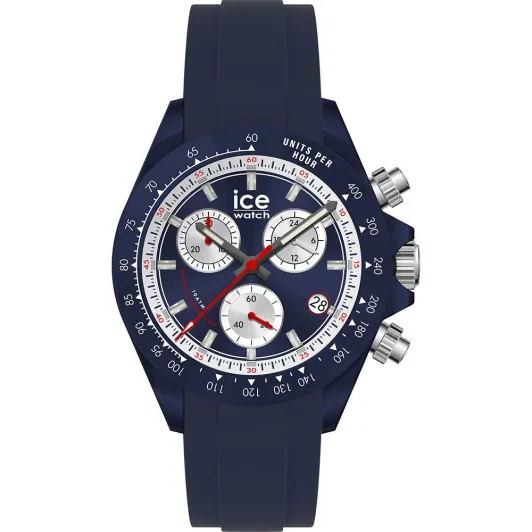
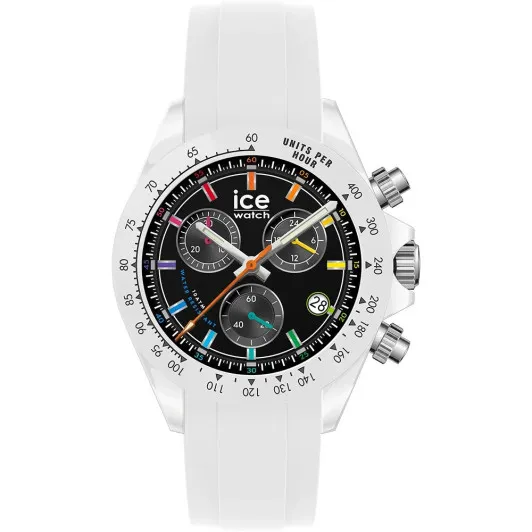
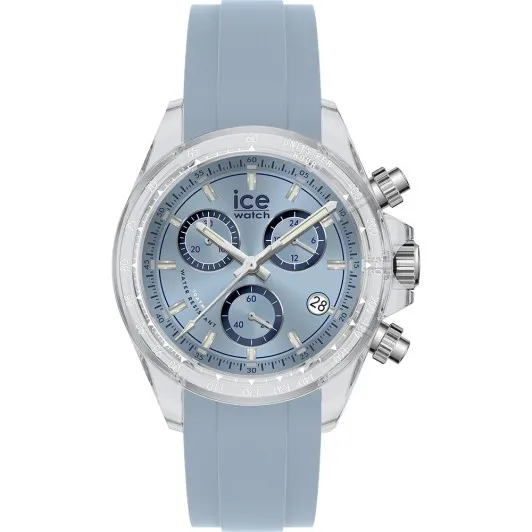
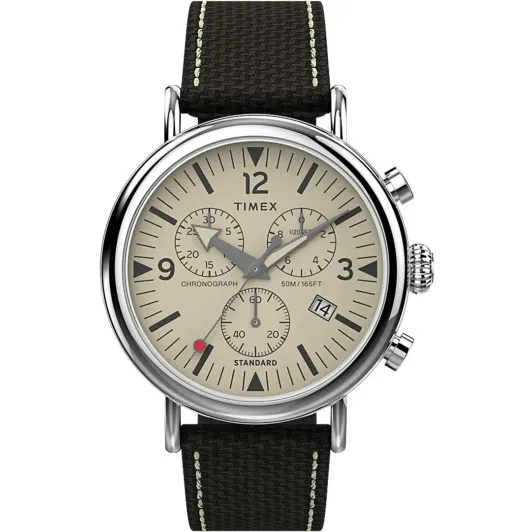
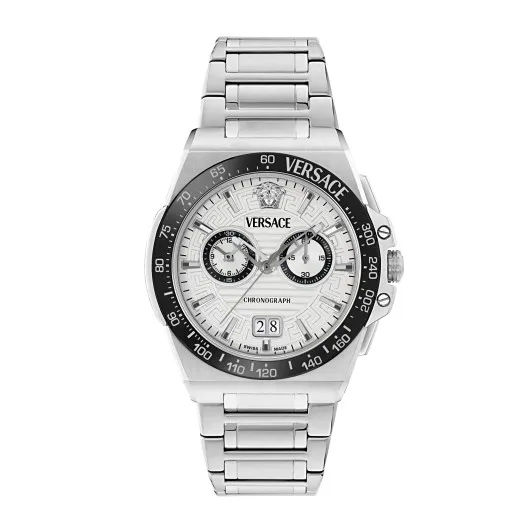
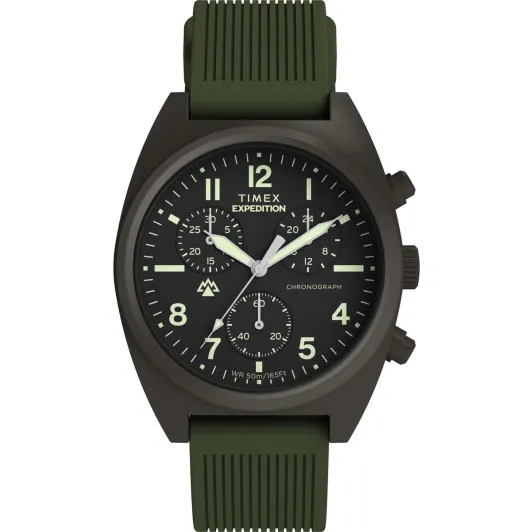
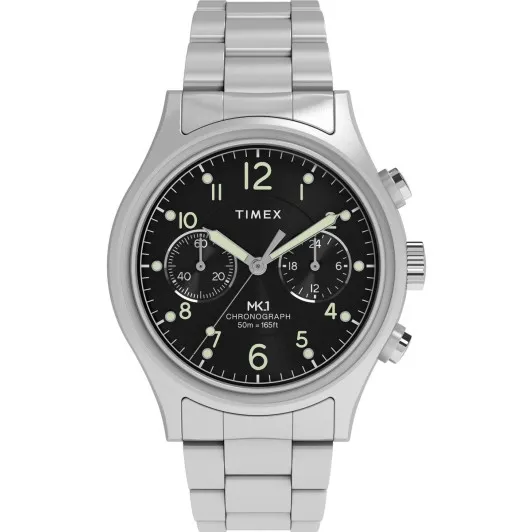
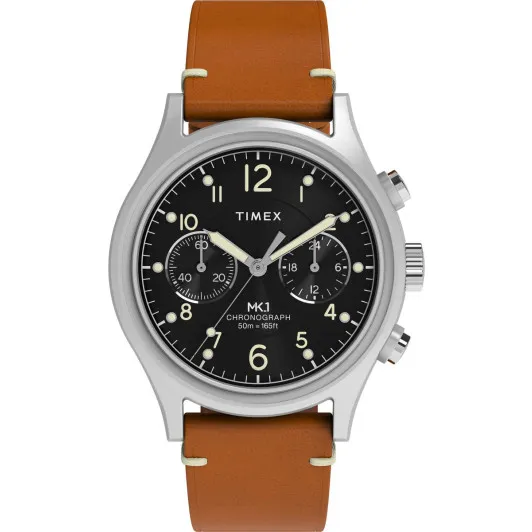
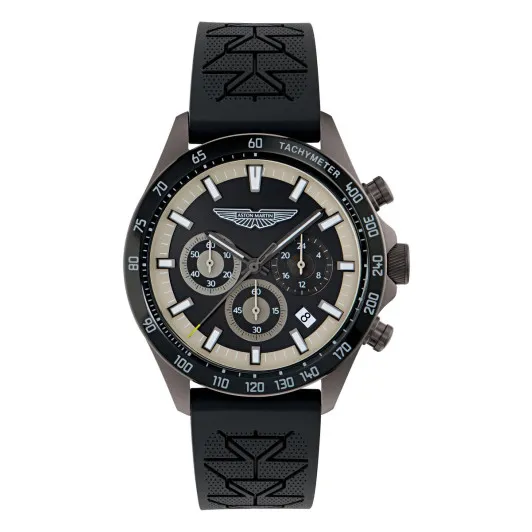
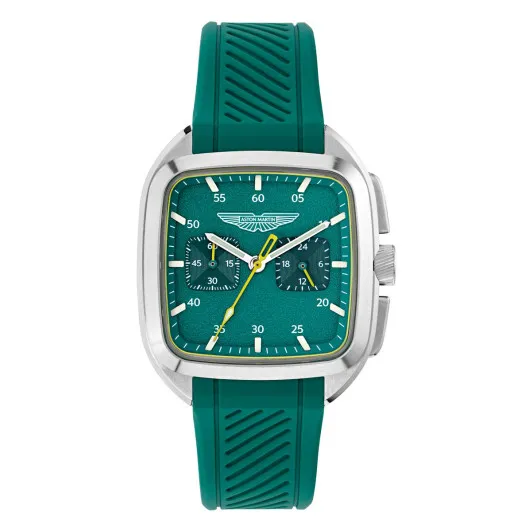
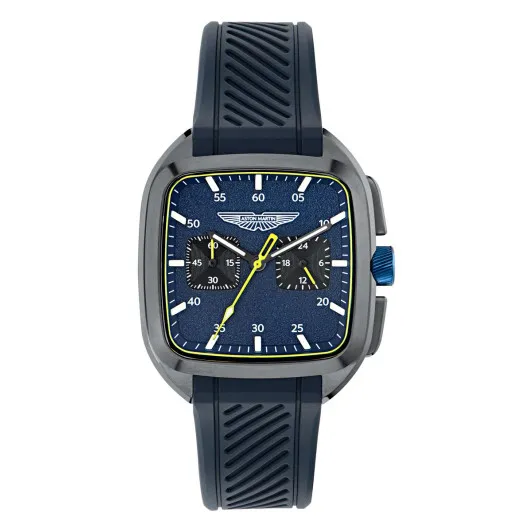
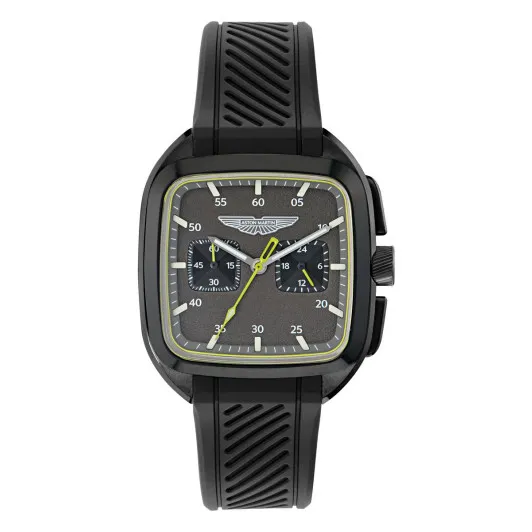
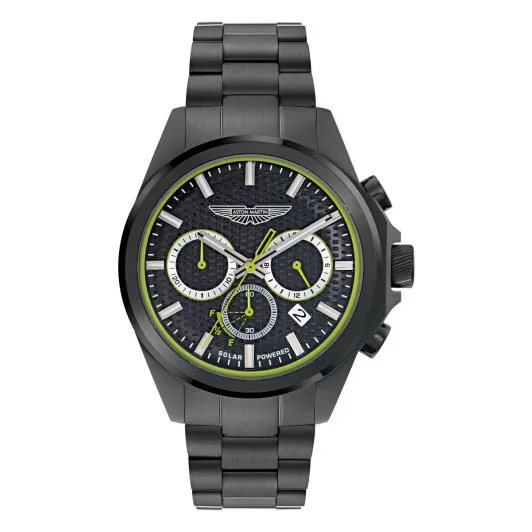
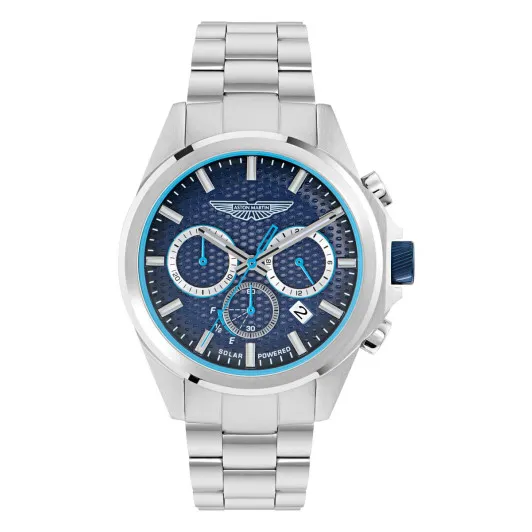
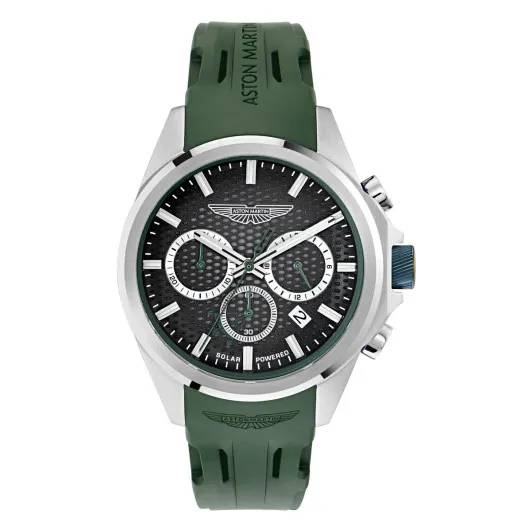
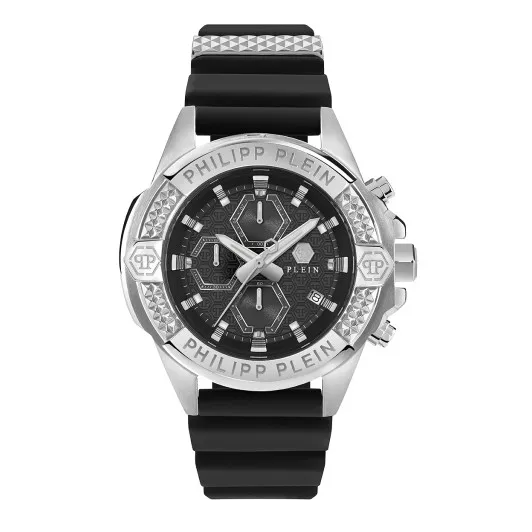
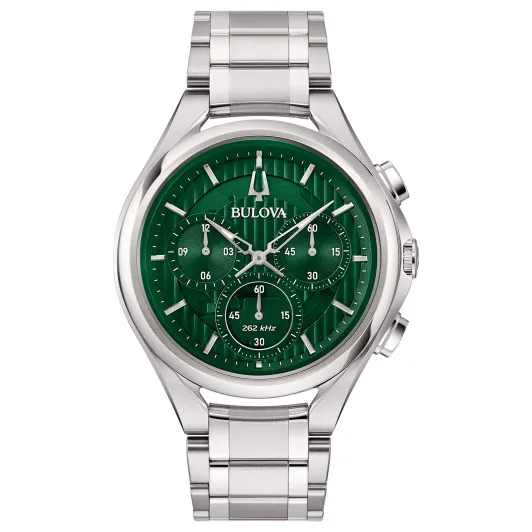
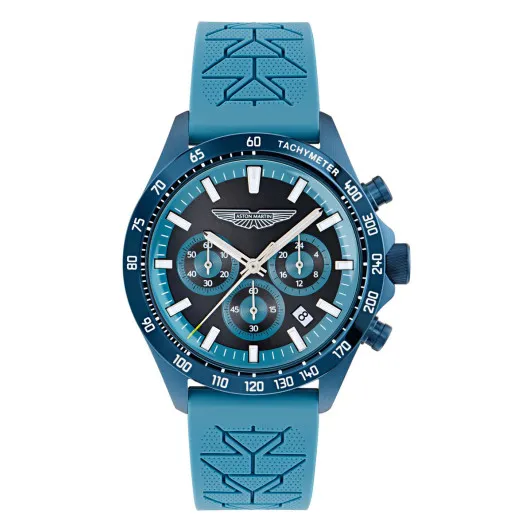
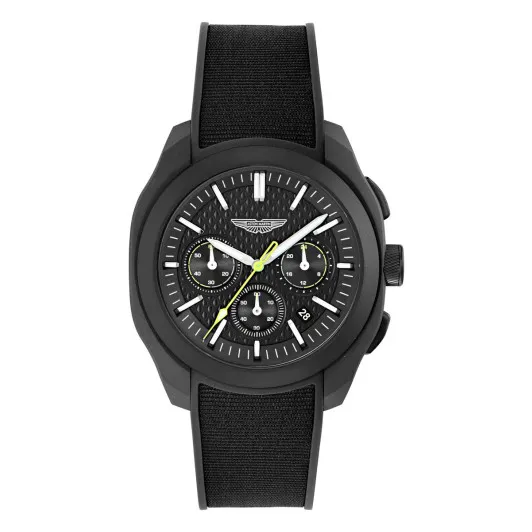
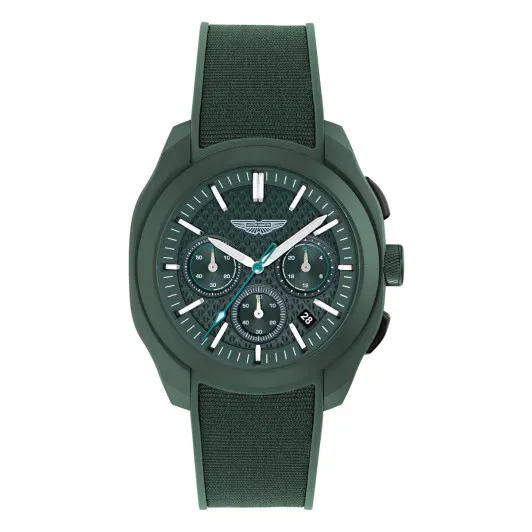
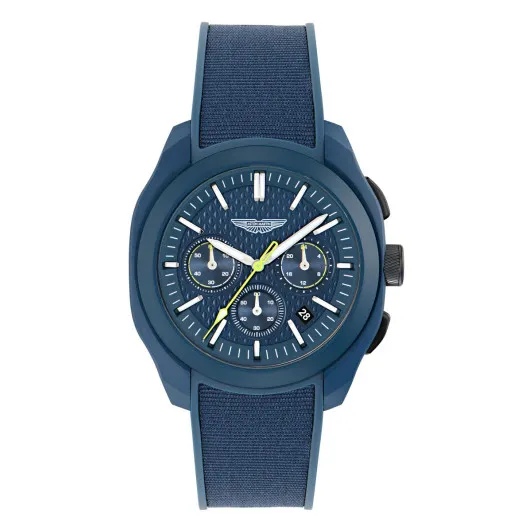
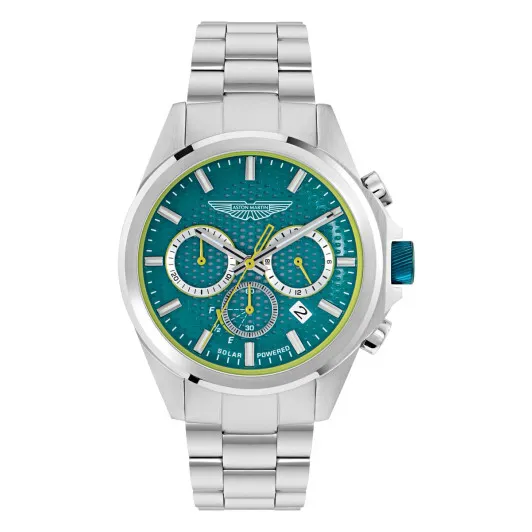
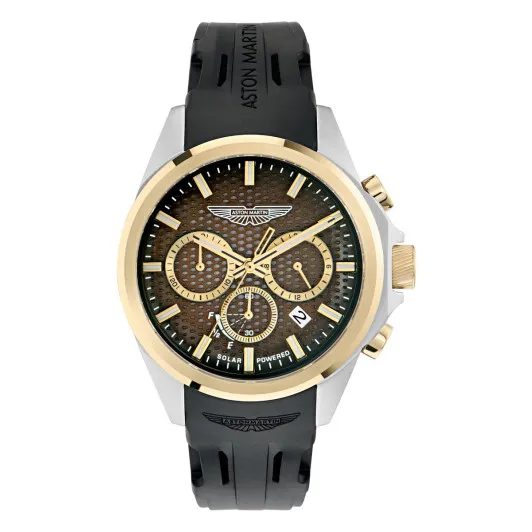
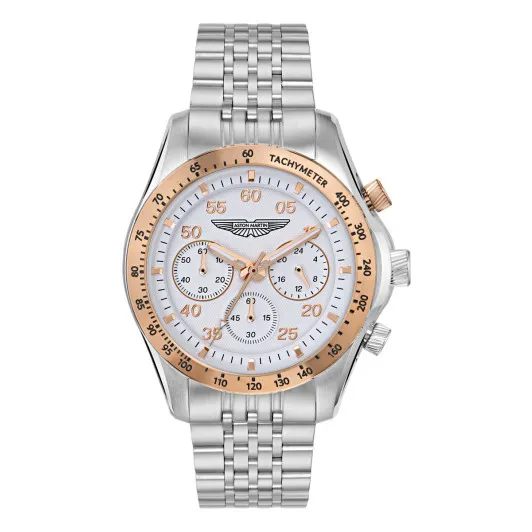
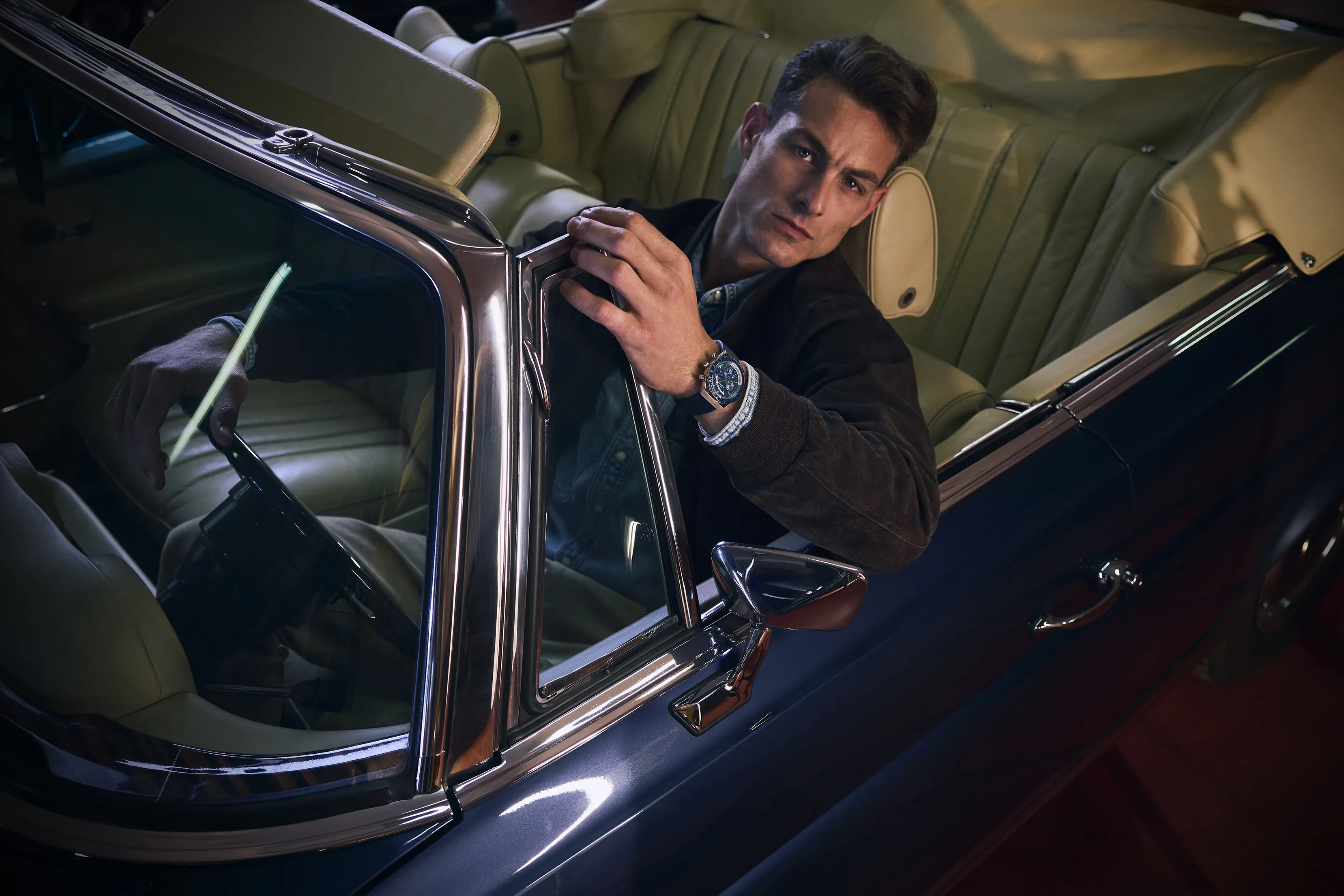
Chronograph Watches are wristwatches with a built-in stopwatch function — a complication that lets the wearer time intervals independently of the main timekeeping display. The category spans over 300 pieces, from field-ready quartz models to Swiss-movement dress chronographs, with brands including Timex, Citizen, Seiko, Hamilton, Casio, Versace, Philipp Plein and Aston Martin.
How a chronograph actually works
A chronograph uses two or three pushers — typically set at 2 o'clock and 4 o'clock on the case — to start, stop and reset the elapsed-time hand. On the dial, sub-dials (called registers) display seconds, minutes and sometimes hours of elapsed time. A tachymeter scale printed on the bezel or chapter ring lets you calculate speed over a known distance: start the chronograph when you pass a marker, stop it one mile or kilometre later, and read the speed directly off the scale. That is the original use case, though most wearers today use the function for everyday interval timing.
Quartz chronographs — the majority of pieces in this range — are accurate to within a few seconds per month and require no winding. Mechanical chronographs, whether automatic or hand-wound, are more complex to manufacture and generally sit at a higher price point; brands such as Seiko and Hamilton produce in-house or well-regarded calibres at accessible prices relative to Swiss luxury houses.
Choosing the right Chronograph Watch for your needs
Case diameter is the first practical decision. Chronograph dials carry more information than a simple three-hander, so most sit between 40 mm and 44 mm — enough room to keep the sub-dials legible without crowding. If you prefer a slimmer profile on the wrist, look for models with a thinner case height and a two-register layout rather than three.
Water resistance matters more than many buyers expect. A standard dress chronograph may be rated to 30 m (splash-resistant only); a sport-oriented model will typically reach 100 m or 200 m, which covers swimming and surface water activities. Check the crown and pusher sealing — on some chronographs the pushers are not sealed, meaning the water resistance rating applies only when the stopwatch function is not in use. For active use, look for screw-down or sealed pushers explicitly noted in the specification.
From sport to dress: reading the brand range
The spread of brands here reflects two distinct design directions. Timex and Casio anchor the accessible end, offering robust quartz movements in cases built for legibility and daily wear — Timex's military-influenced lines draw on decades of field-watch heritage. Citizen and Seiko sit in the mid-range, with Citizen's Eco-Drive solar-powered movements eliminating battery changes entirely, while Seiko offers both quartz and automatic calibres with strong finishing at their price points. At the upper end, Hamilton brings Swiss manufacture and a motorsport aesthetic; Versace and Philipp Plein translate fashion-house identity into bold, larger-cased designs; and Aston Martin editions connect directly to the marque's motorsport identity. For pieces above the £1,000 mark, see the luxury watches section for context on what that investment typically delivers in movement quality and finishing.
Are chronograph watches suitable for everyday wear?
Yes — provided the case size suits your wrist and the water resistance matches your routine. The pusher crowns add a small amount of bulk to the case flank, but most modern chronographs sit no thicker than 13–14 mm and wear comfortably under a shirt cuff at 40–42 mm diameter. The stopwatch complication adds no maintenance burden on a quartz movement; on a mechanical chronograph, the column-wheel or cam-actuated mechanism does introduce additional service considerations over a long ownership period, typically every five to seven years. For a broader look at watches across all categories, or to filter by price, the under £300 selection is a useful starting point for entry-level chronographs.