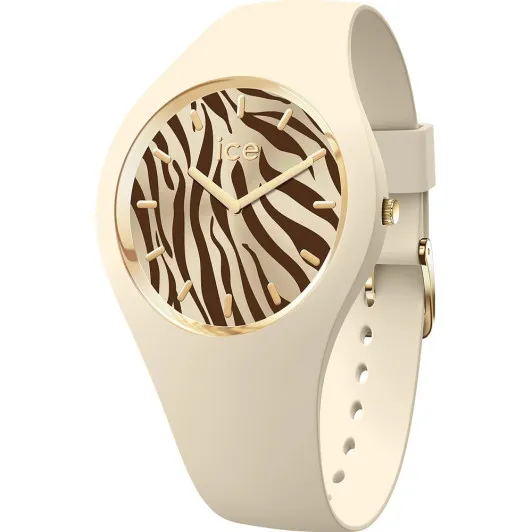
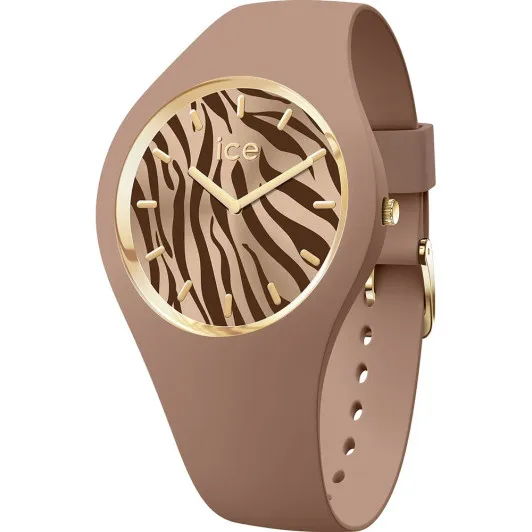
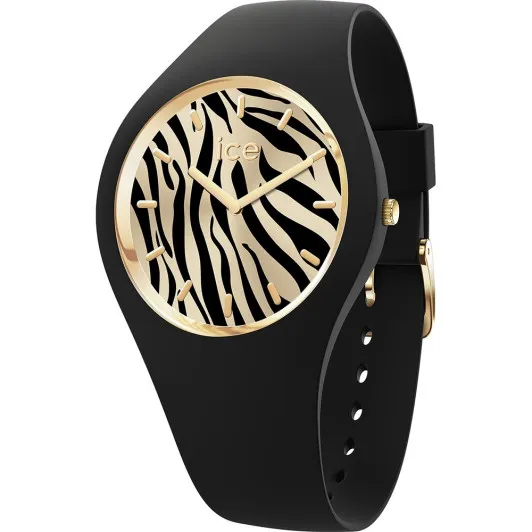
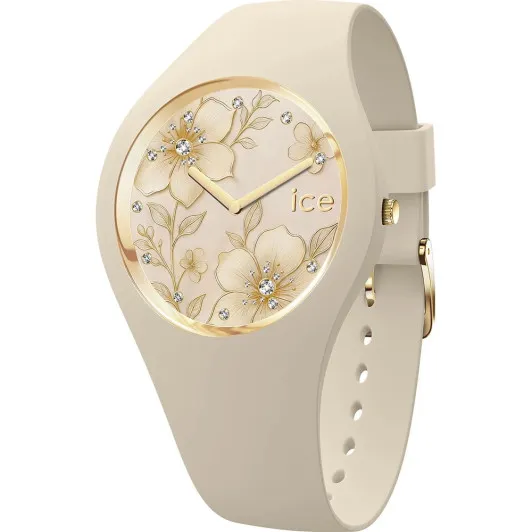
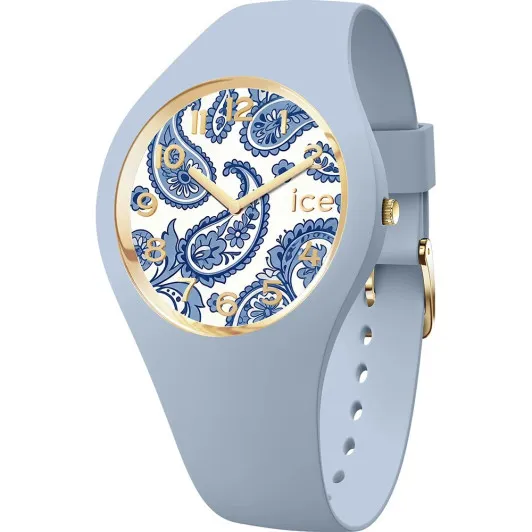
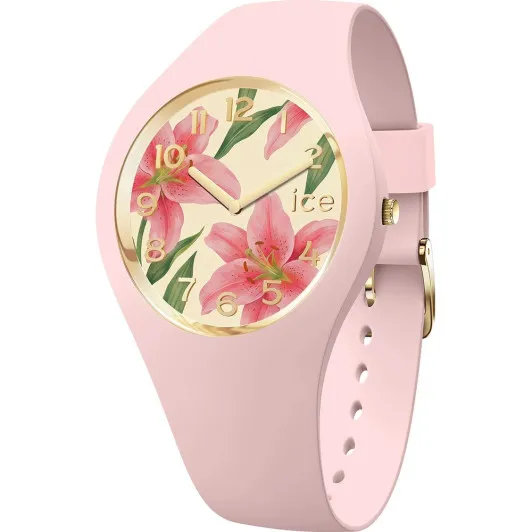
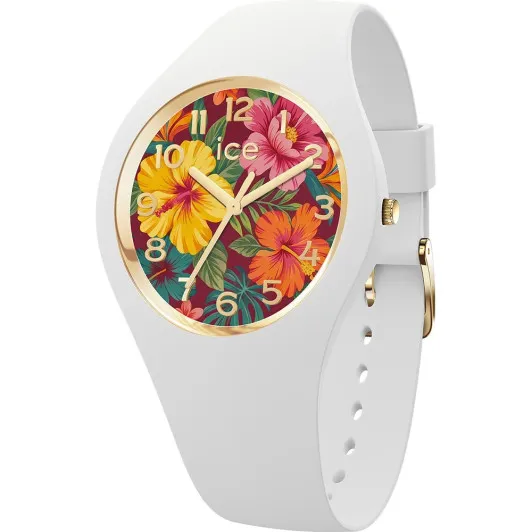
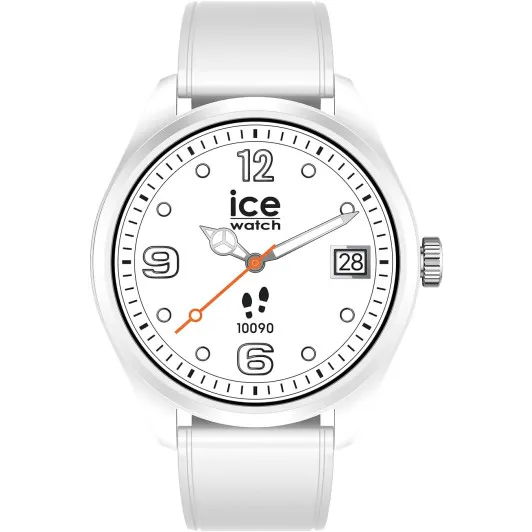
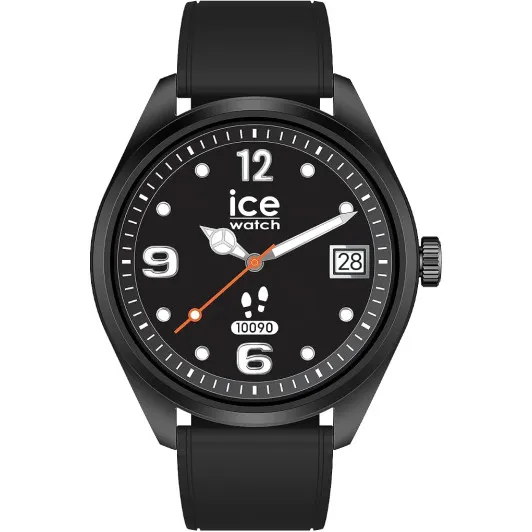
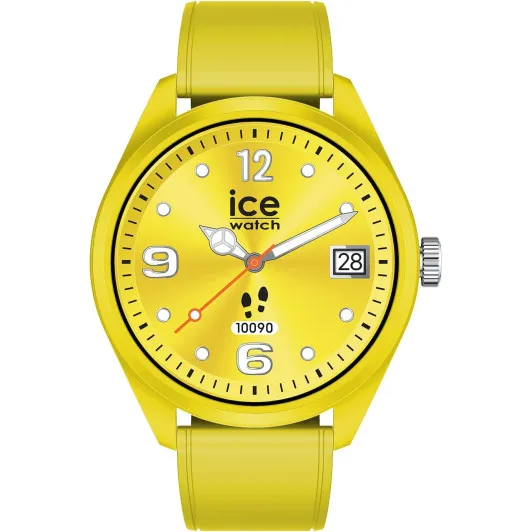
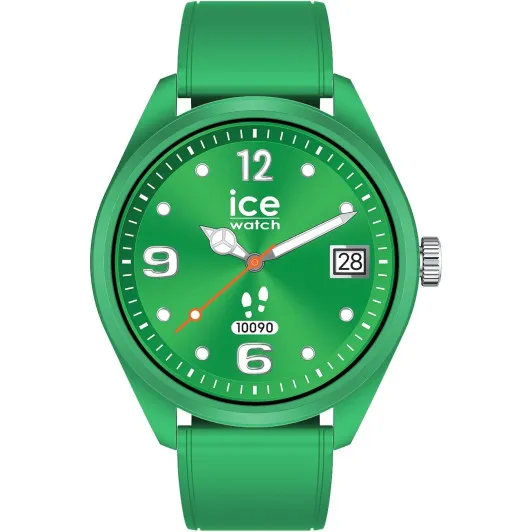
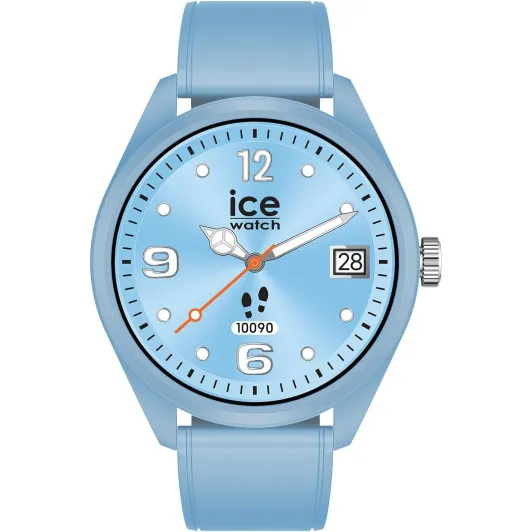
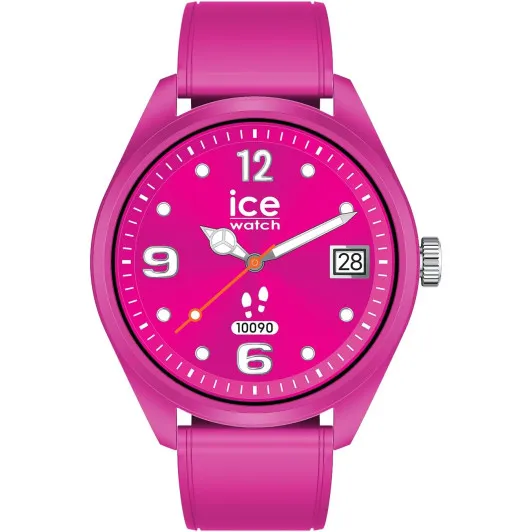
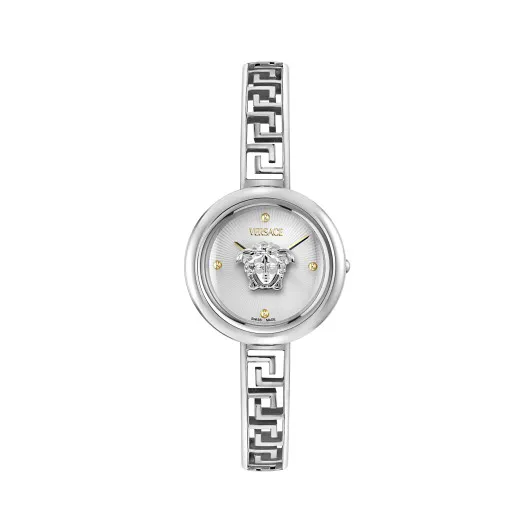
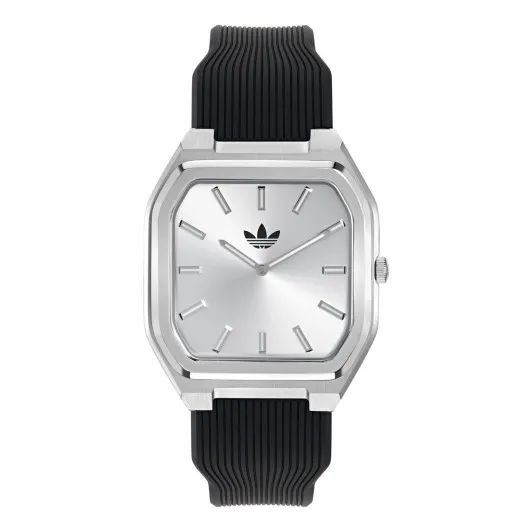
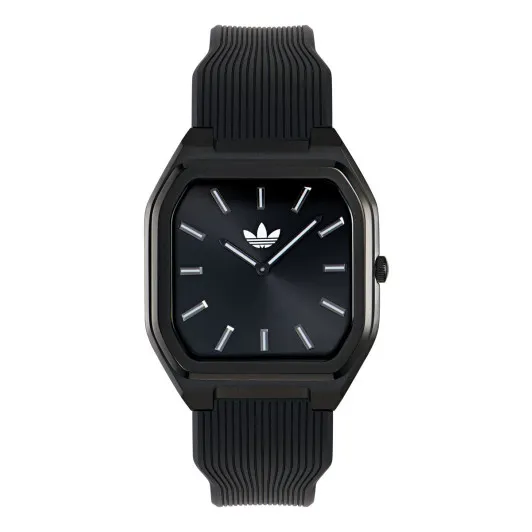
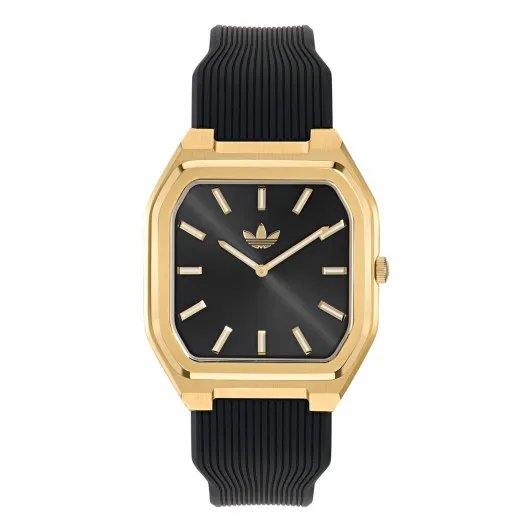
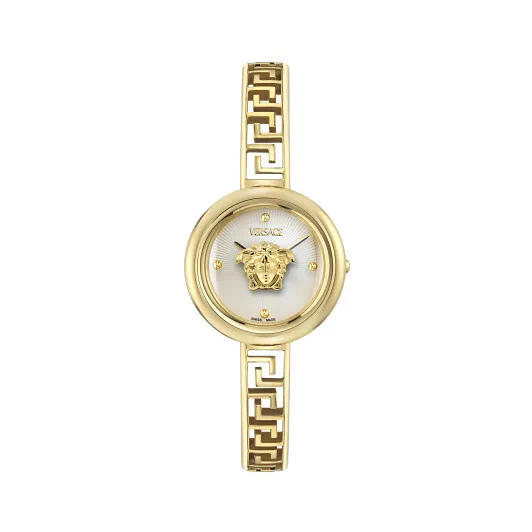
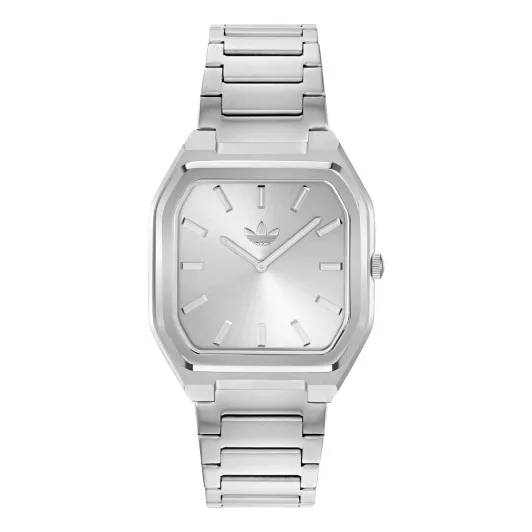
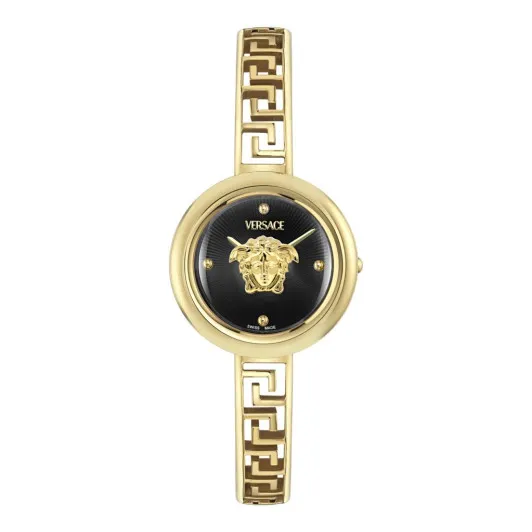
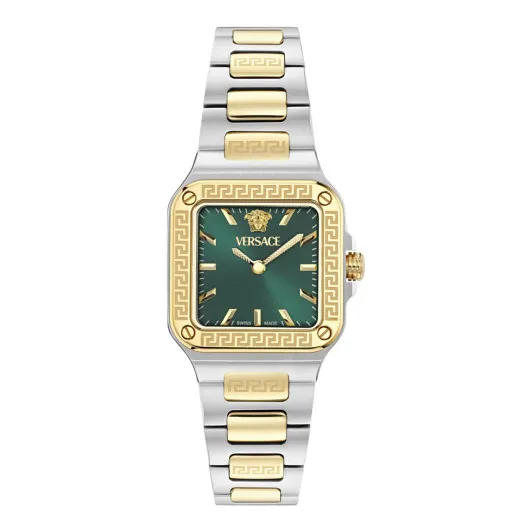
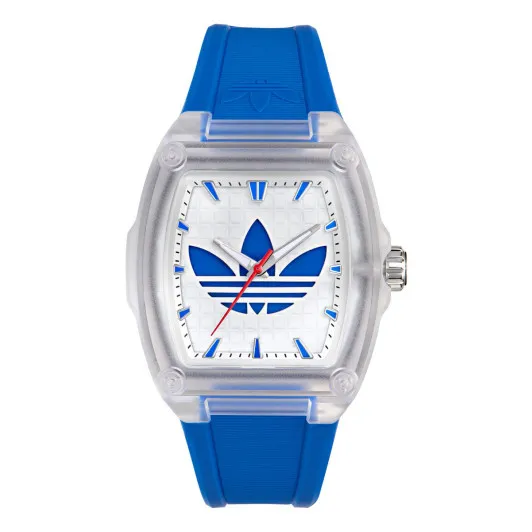
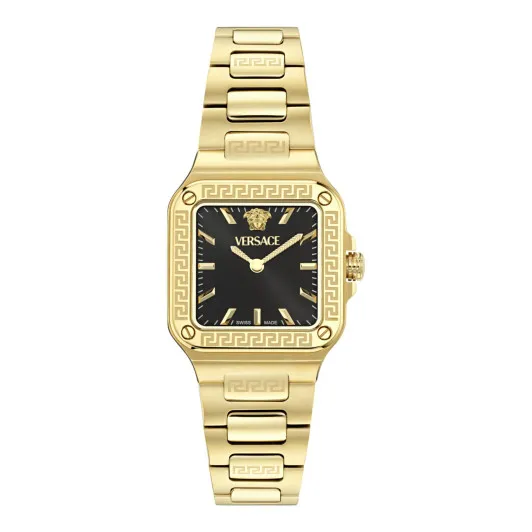
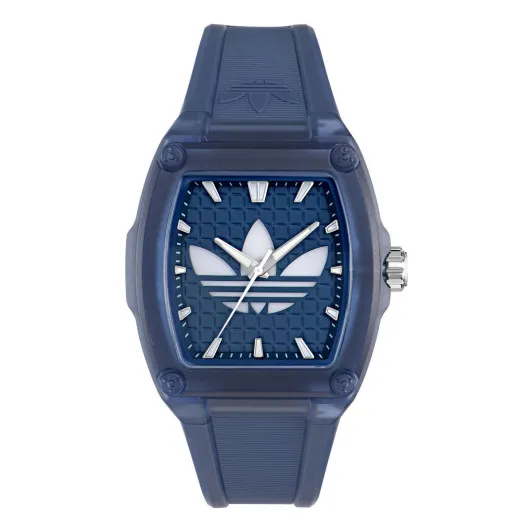
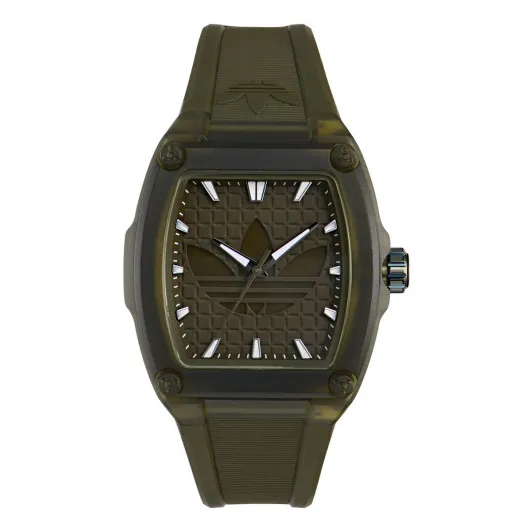
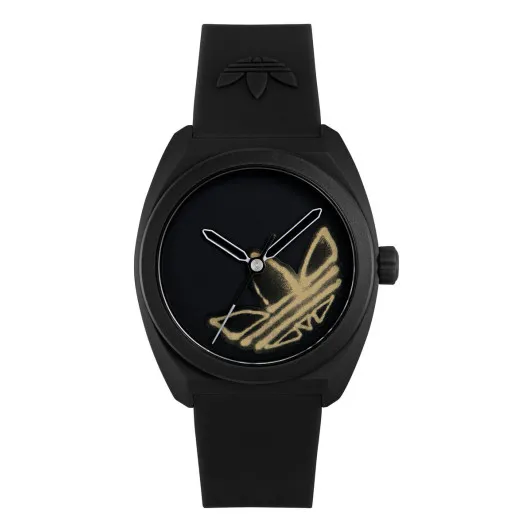
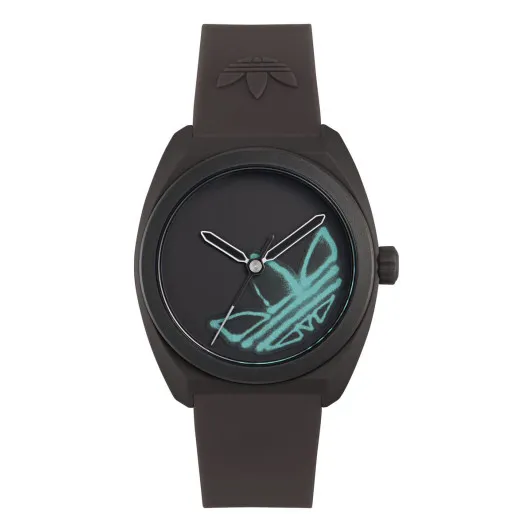
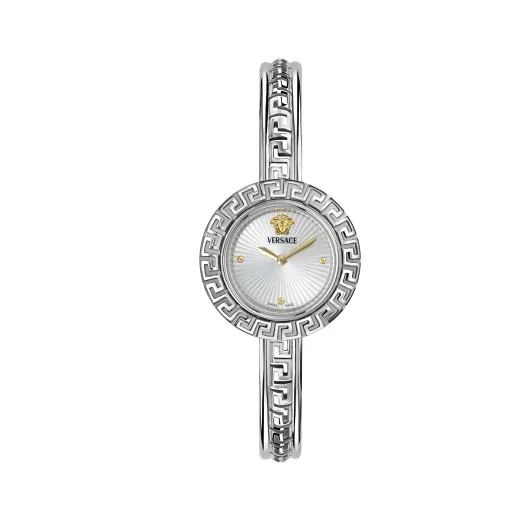
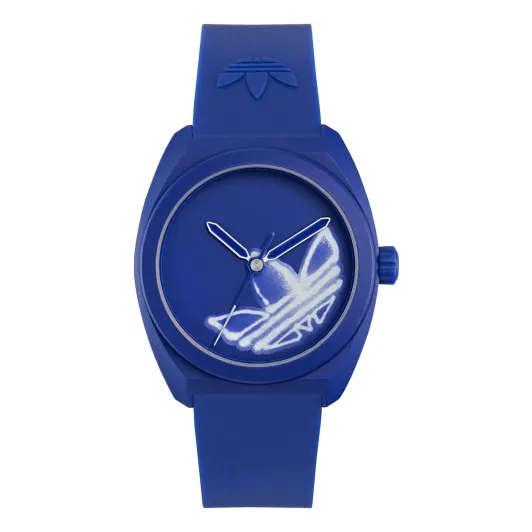
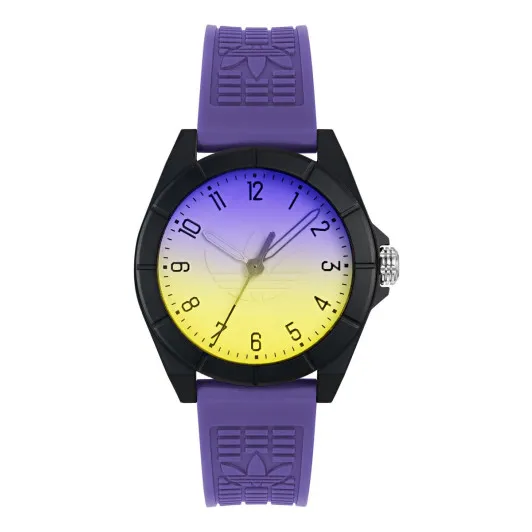
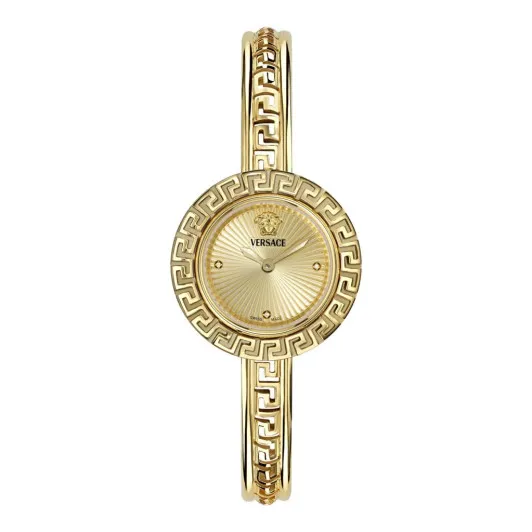
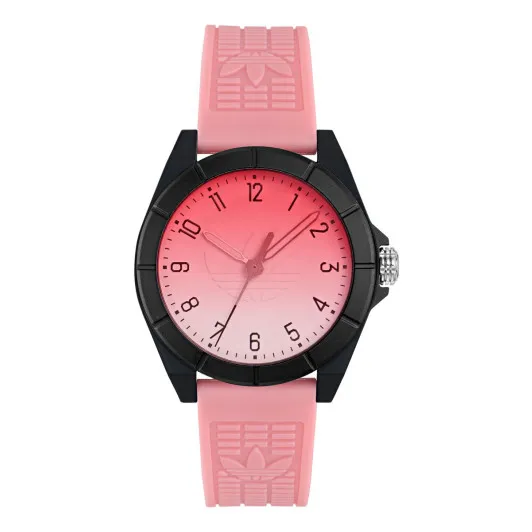
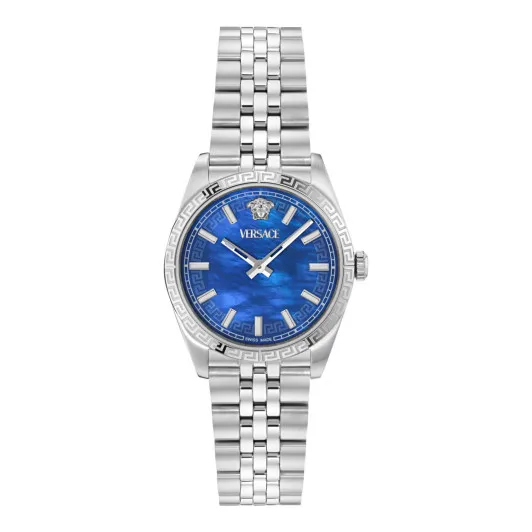
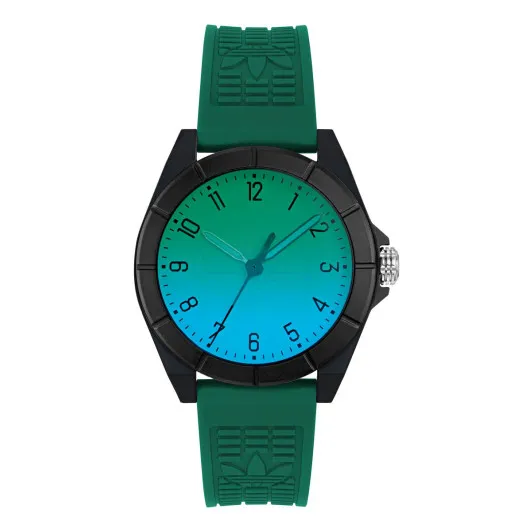
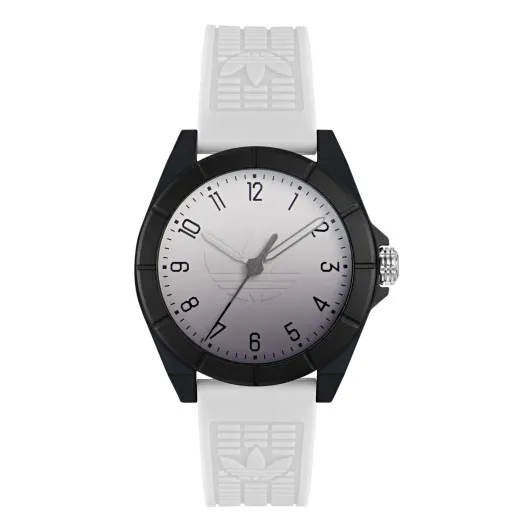
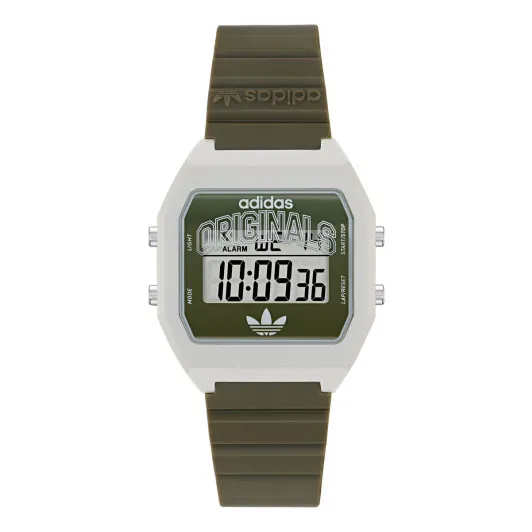
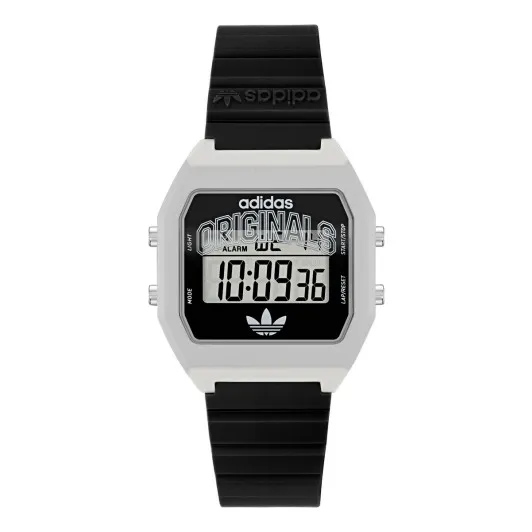
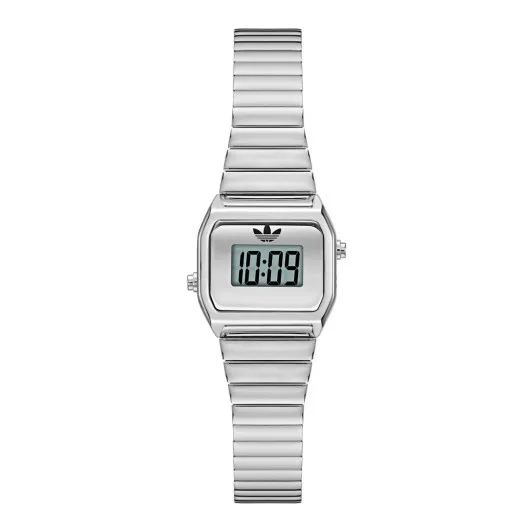
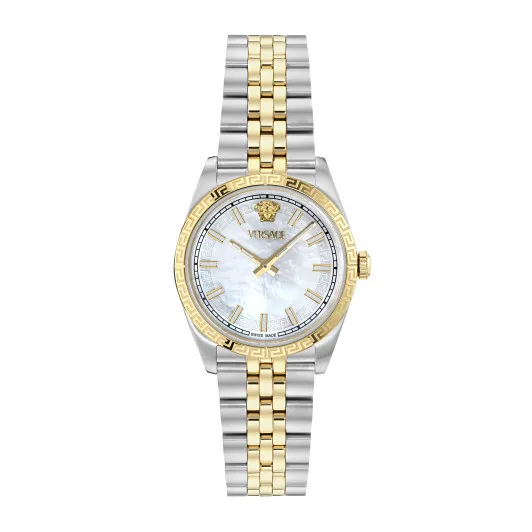
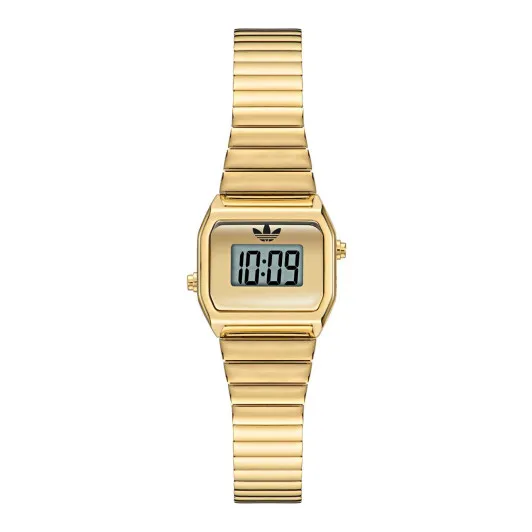
Quartz watches account for the vast majority of timepieces sold worldwide, and with over 1,800 options spanning Casio, Tissot, Versace, Timex, and Ice Watch, the selection here covers everything from rugged sport models to Swiss-made dress watches. Prices run from around £70 to approximately £1,900, reflecting the genuine breadth of the category.
How a quartz movement works — and why it matters when buying
A quartz movement is regulated by a tiny sliver of synthetic quartz crystal that vibrates at 32,768 Hz when a small electrical current passes through it. That frequency is far more stable than a mechanical balance wheel, which is why a typical quartz watch loses or gains only a few seconds per month rather than per day. The practical upshot: quartz requires almost no daily attention, never needs winding, and generally costs less to service. The trade-off is that it runs on a battery — usually lasting one to three years — or, in solar-quartz variants, on ambient light. If you prefer never to think about a battery, look at solar-powered watches, which top up continuously and rarely need a cell change.
Within quartz itself, the display splits into two families. Analogue quartz uses the familiar hour and minute hands driven by a stepper motor; it reads as a conventional watch face and suits both dress and casual wear. Digital quartz shows the time on an LCD or LED display and is common in sport and outdoor models where elapsed time, alarms, and countdown timers matter more than aesthetics. Many sport watches combine both, giving analogue hands alongside a digital sub-display — useful when you want a glanceable time alongside stopwatch or world-time functions.
Choosing the right quartz watch for your needs
Case size is the first practical filter. Men's quartz watches typically run 40–44 mm in diameter; women's dress models often sit between 28–36 mm, though sport and unisex pieces can go larger. Water resistance ratings on quartz watches follow the same conventions as any other movement: 30 m is splash-proof, 100 m suits swimming, and 200 m or above is appropriate for snorkelling or surface water sports. The case material — stainless steel, resin, or a combination — affects both durability and weight. Resin cases, common on sport-oriented models, absorb shock better and weigh less; steel cases are harder to scratch and read as more formal.
At the entry level, quartz delivers reliable timekeeping in durable cases at accessible prices. Moving up the price range, you encounter Swiss-made quartz — movements assembled and cased in Switzerland to strict origin rules — which brings tighter tolerances, finer finishing, and longer service intervals. Swiss Made watches in the quartz category typically sit at the higher end of the price span and are worth considering when longevity and finishing matter as much as accuracy. For those drawn to fashion-led design at the upper price tier, designer watches from houses such as Versace bring quartz reliability inside cases designed primarily as wearable accessories.
Quartz watches for men and women
The quartz category spans both audiences without compromise. Men's quartz options tend toward larger cases, sport functions, and rugged materials, with brands like Casio and Timex particularly strong in this space. Women's quartz watches range from slim analogue dress pieces to compact sport models, with Tissot and Ice Watch offering distinct points on that spectrum. If you are choosing a gift and are unsure of the recipient's preference, the Gift Shop at our gift ideas page groups options by occasion and audience to help narrow things down.
Is quartz or mechanical better?
Neither is objectively superior — they suit different priorities. Quartz is more accurate day-to-day, lower maintenance, and generally more affordable at equivalent build quality. A mechanical watch is powered entirely by a wound spring, involves no battery, and is valued for its engineering and craft. If accuracy and practicality are your primary criteria, quartz wins. If you want a watch that can be serviced and worn for decades without ever needing a battery, mechanical is worth the premium. Many collectors own both.